 K-Clinic
Korean Hospital vs Chinese Medicine: Barrrjung Seoul Guide
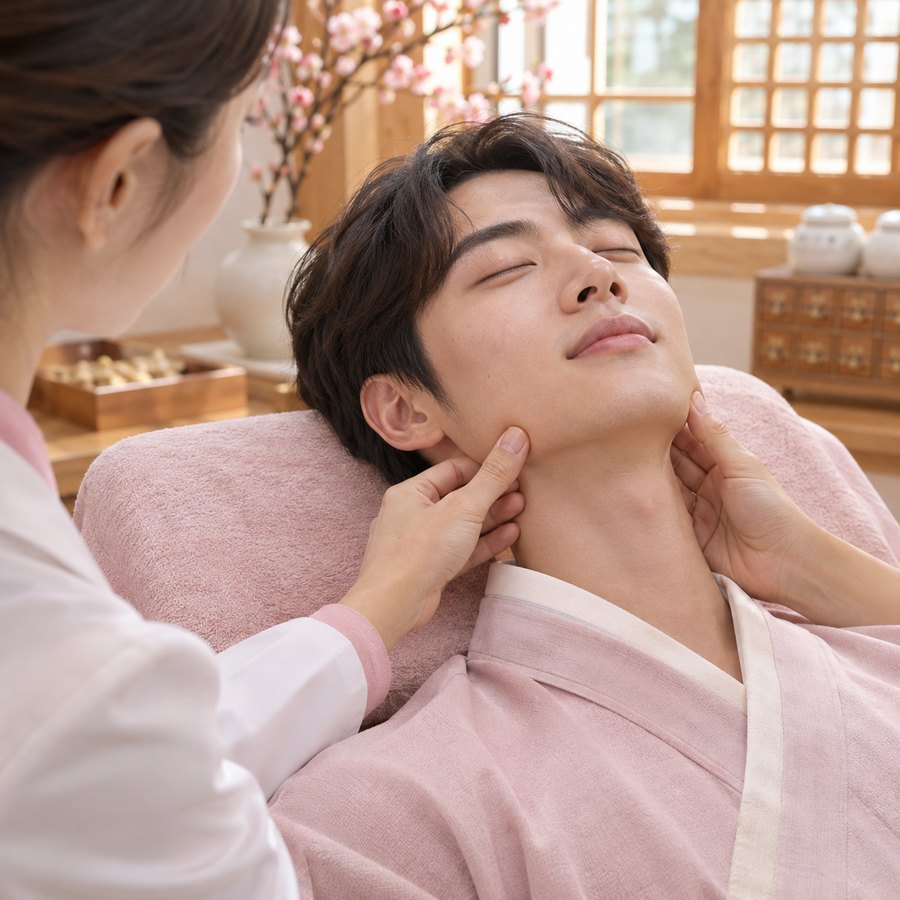
Barrrjung Korean Medicine Hospital in Seoul goes beyond pulse reading and acupuncture: 7 Korean medicine and Western medicine doctors co-diagnose, adding imaging and ultrasound to tell peripheral from central facial palsy, then combine Jeongan acupuncture (about 150–200 needles, about 1 hour), pharmacopuncture, thread embedding and herbal medicine. The hospital has 65 inpatient beds and is registered to attract international patients. Bring your Chinese medicine and Western medicine records, and tell the doctor about any herbal medicine you take.
Used to Chinese Medicine? Adjust Your Expectations First
At Barrrjung Korean Medicine Hospital, the process is not simply "pulse reading, acupuncture, herbal medicine". Korean medicine doctors and Western medicine doctors examine you together, use tests to find the cause first, and then decide on a treatment combination.
If you know traditional Chinese medicine well, it is easy to assume Korean medicine works the same way. This article does not rank one system above the other. It simply lays out what you will actually encounter at this hospital so you know what to expect before you travel.
4 Things to Know Before You Go
If you have only experienced Chinese medicine, the key points at Barrrjung Korean Medicine Hospital are Korean–Western co-diagnosis, imaging and ultrasound tests, the number of needles in Jeongan acupuncture, and the 65-bed inpatient ward.
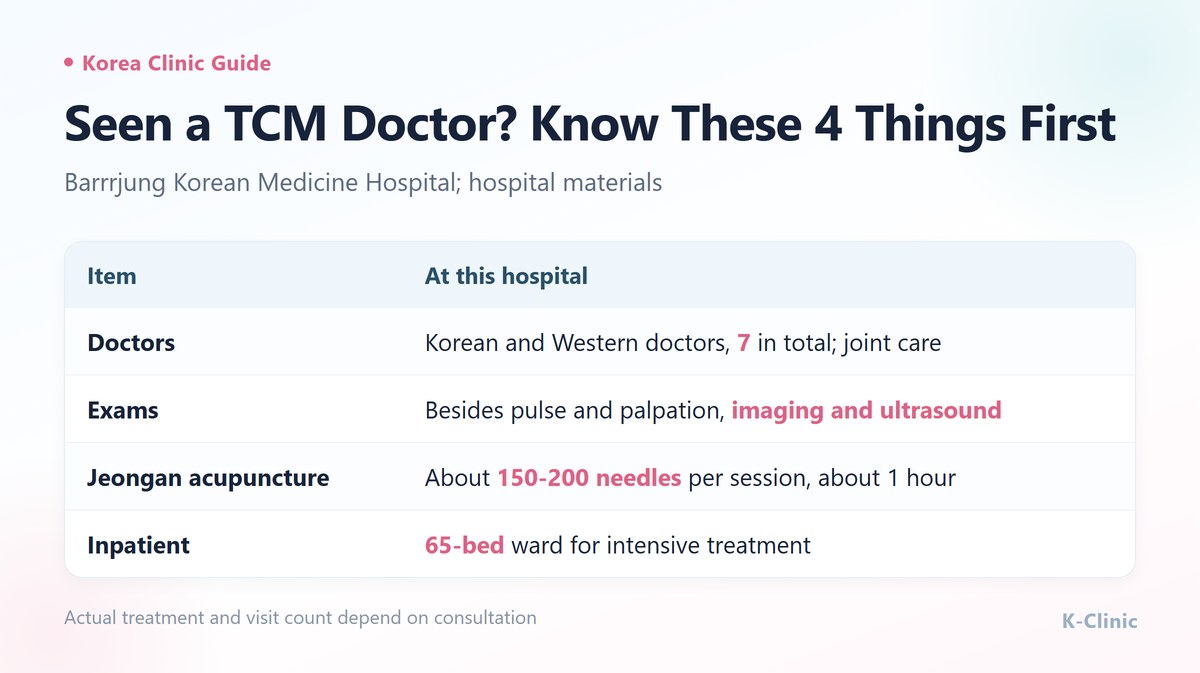
- Doctors: 7 doctors in total, Korean medicine doctors and Western medicine doctors (obstetrics and gynecology specialists), who co-diagnose to identify the cause and design treatment.
- Tests: in addition to pulse diagnosis and palpation, imaging and ultrasound tests are available.
- Jeongan acupuncture: about 150–200 needles per session, about 1 hour. Pain or swelling may occur after needling, and the details are explained before treatment.
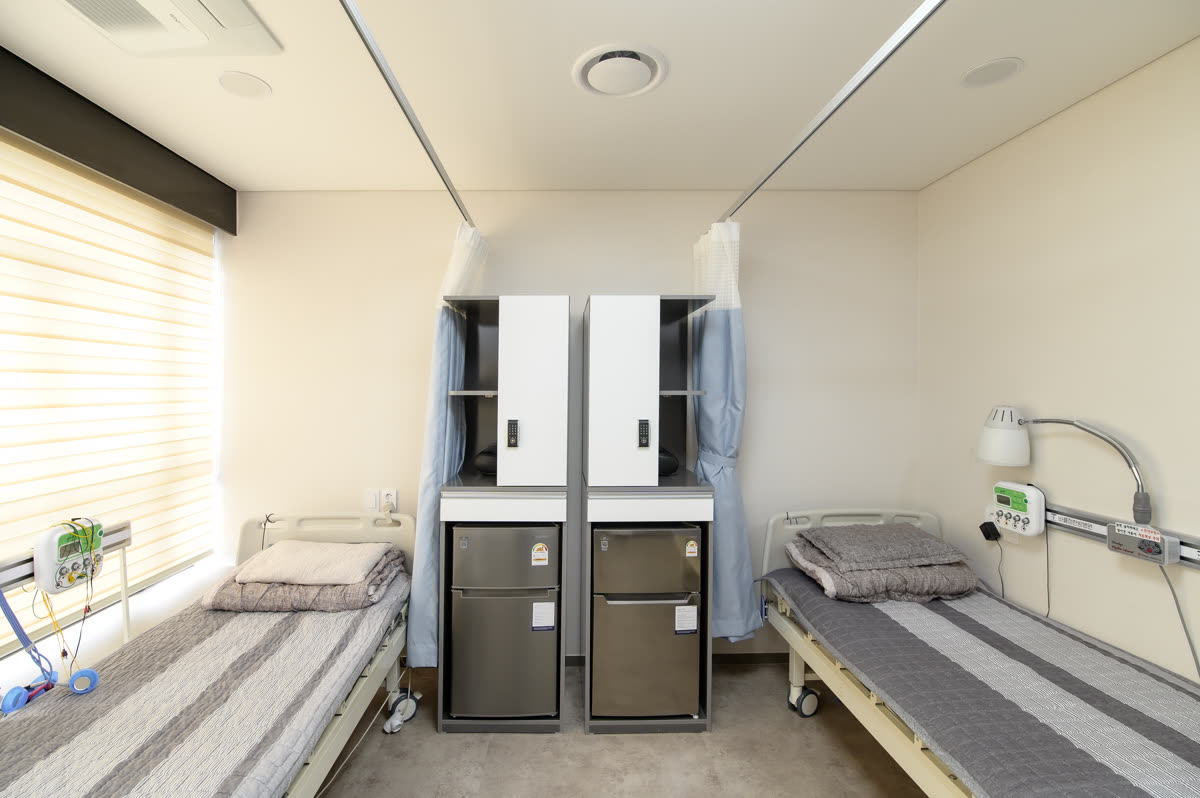
- Hospitalization: the hospital has a 65-bed ward, so patients from outside Seoul can consider staying for intensive treatment.
The hospital focuses on facial conditions such as facial nerve palsy (a drooping mouth and eye), trigeminal neuralgia and facial asymmetry, and it is registered as an institution that attracts international patients.
What Happens at Your First Visit?
At your first visit to Barrrjung Korean Medicine Hospital, you have an interview, pulse diagnosis and palpation, plus imaging and ultrasound tests, and a treatment plan is drawn up once the cause is confirmed.
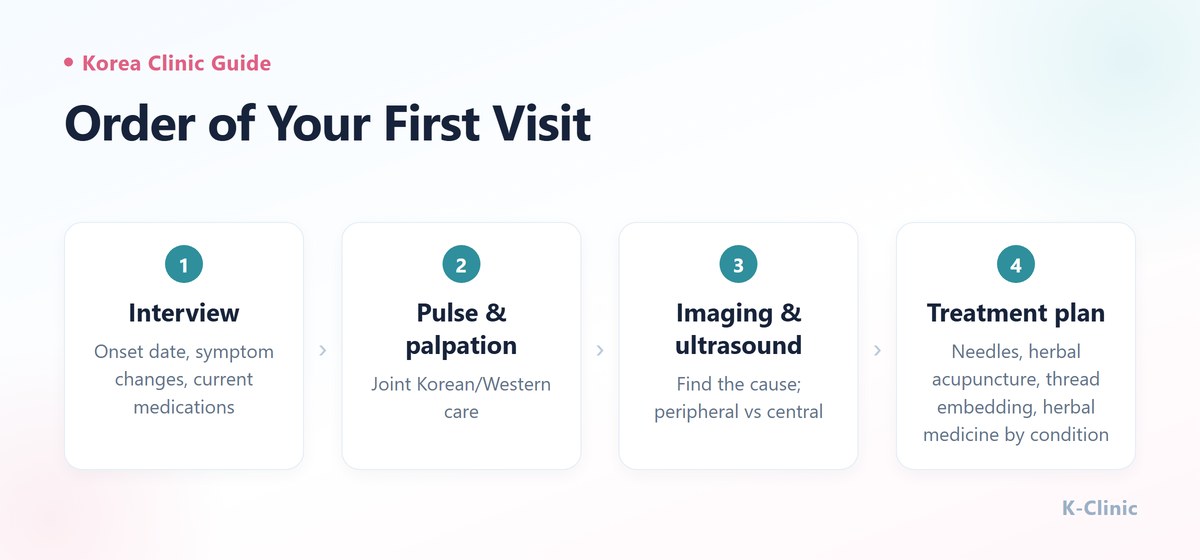
For facial nerve palsy, the hospital first distinguishes peripheral from central palsy and then decides the treatment direction. The same applies to facial asymmetry, facial spasm and trigeminal neuralgia: the cause comes first, and the number of needles is not decided the moment you walk in.
Director Jeong In-ho (정인호), a Korean medicine doctor, is president of the Korean Facial Society and president of the Facial Palsy Research Society, and is the author of Cosmetic Acupuncture and Thread Embedding Acupuncture.
Treatment Methods: Names May Differ From What You Know
The hospital lists Jeongan acupuncture, pharmacopuncture, thread embedding, herbal medicine and neuro-electric manual therapy. The doctor combines them according to your condition, so not everyone receives all of them.
- Jeongan acupuncture: about 150–200 needles per session, about 1 hour.
- Pharmacopuncture: the price list has neutral and bamboo-salt types, ₩10,000–30,000 per vial.
- Thread embedding: therapeutic threads vary in price by type; the standard type is ₩5,000 per thread, starting from 2 threads per session.
- Herbal medicine: decoction (a 15–20 day supply) costs ₩300,000–1,000,000. Therapeutic pills, Woohwang Cheongsimwon and Gongjindan are also available.
- Other: shockwave is listed separately for trigeminal neuralgia, and balance massage is listed separately for facial asymmetry.
The prices above are the hospital's published non-covered (out-of-pocket) prices. The list does not state VAT or a validity period. For fees not on the list, such as consultation, tests and basic acupuncture, please confirm first through the live chat on this website.
Bring Your Chinese Medicine and Western Medicine Records
Before you leave, prepare these four things: your medical records from home, imaging such as MRI or CT (on disc or as files), the date of onset and how your symptoms have changed, and the medication you currently take.
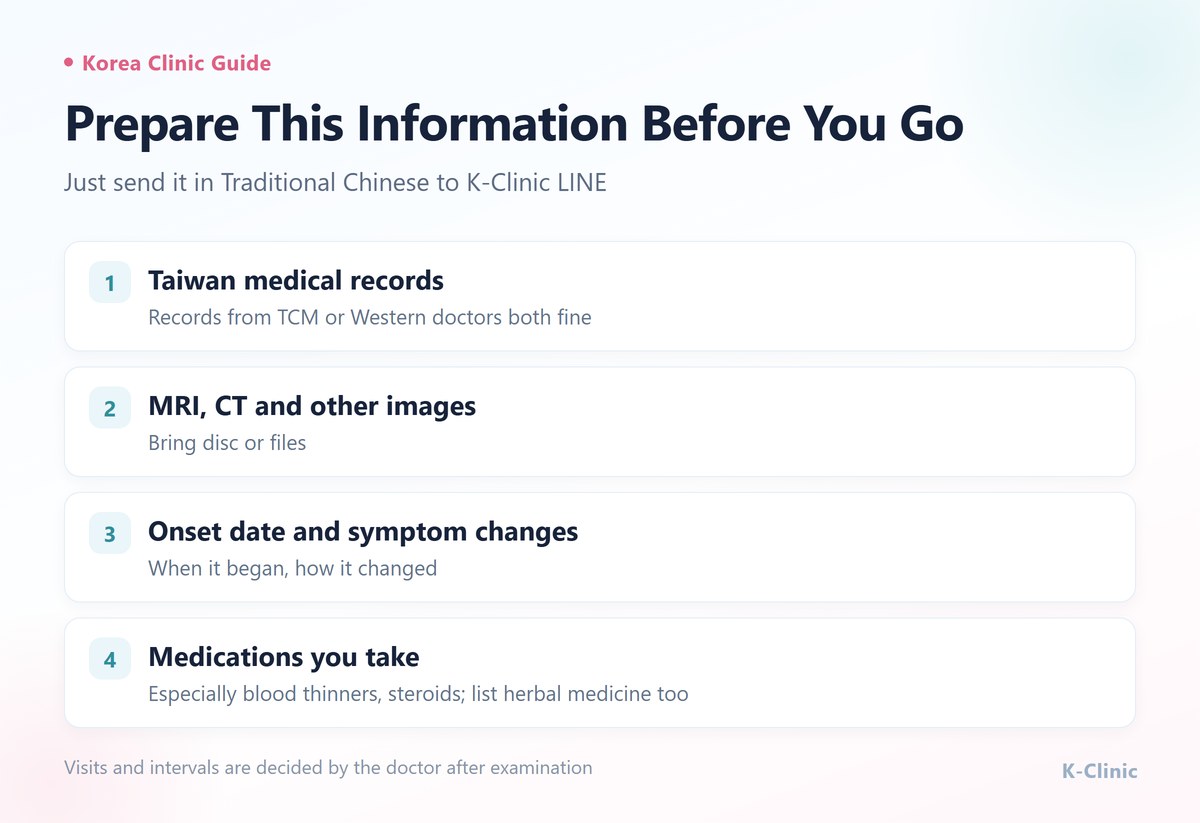
The hospital specifically asks you to mention anticoagulants and steroids. K-Clinic also recommends listing any herbal powders or pills you received from a Chinese medicine practitioner; a photo of the product names is enough. The doctor decides whether you should continue taking them, so do not stop or combine medications on your own.
Opening Hours and Location
Barrrjung Korean Medicine Hospital is open weekdays 09:00–20:00 (lunch break 13:00–14:00), and Saturdays, Sundays and public holidays 09:00–15:00 (no lunch break), so weekend visits are possible.
The address is 1485 Nambusunhwan-ro, Gwanak-gu, Seoul, Samnam Building, floors 1, 7, 8 and 9, near SinDaebang Station on Seoul Subway Line 2. The number of treatments and the interval between them depend on the doctor's examination. If your stay is short, tell the hospital in advance, and you can also ask about hospitalization.
Frequently Asked Questions From International Patients
Q: Can I be seen if I don't speak Korean?
A: Booking and pre-visit consultation can be handled through the live chat on this website. Please confirm interpretation arrangements for the day of your visit when you book.
Q: Can I take Korean herbal medicine home?
A: The hospital's materials do not say. If you want to keep taking it after you return home, confirm with the hospital before receiving the medicine, and check the import rules of your own country.
Q: Is the treatment result guaranteed?
A: No. The hospital explains that speed and degree of recovery vary from person to person. For facial nerve palsy, it stresses that treatment in the early stage after onset has a major effect on the outcome, so it recommends seeing a doctor as early as possible.
Book Barrrjung Korean Medicine Hospital Through K-Clinic
Knowing Chinese medicine is an advantage; you just need to organize your records first. Through K-Clinic, use the "Request booking" button or the live chat for a free consultation, so you do not need to contact the hospital in Korean yourself.
We check with the hospital:
- Which day your first visit should be scheduled, based on your symptoms and onset date
- In what form your medical records and imaging from home should be provided
- Whether the number of treatments fits your length of stay, or whether hospitalization should be considered
- Fees not on the price list, such as consultation and tests
Once your booking is complete, we will tell you the arrival time and address.
Actual treatment content and the number of sessions depend on the results of the examination.
Frequently asked questions
Does Barrrjung Korean Medicine Hospital in Seoul only have Korean medicine doctors?
No. It has 7 doctors in total, Korean medicine doctors plus Western medicine doctors (obstetrics and gynecology specialists), who co-diagnose to identify the cause and design the treatment.
Do Korean medicine hospitals in Korea do imaging tests?
Yes. The hospital explains that it confirms the cause through pulse diagnosis, palpation, imaging and ultrasound, and distinguishes peripheral from central palsy before planning treatment.
Should I stop taking Chinese herbal medicine before Korean medicine treatment in Seoul?
The doctor decides whether you should stop. List every medication you currently take (especially anticoagulants and steroids) together with any Chinese herbal medicine, and tell the hospital when you book.
How do I book Barrrjung Korean Medicine Hospital in Seoul as a foreigner?
Use the "Request booking" button on this website or the live chat for a free consultation. K-Clinic passes your symptoms and medical records to the hospital, confirms an appointment date, and tells you the arrival time and address once the booking is complete.
Clinics in this article
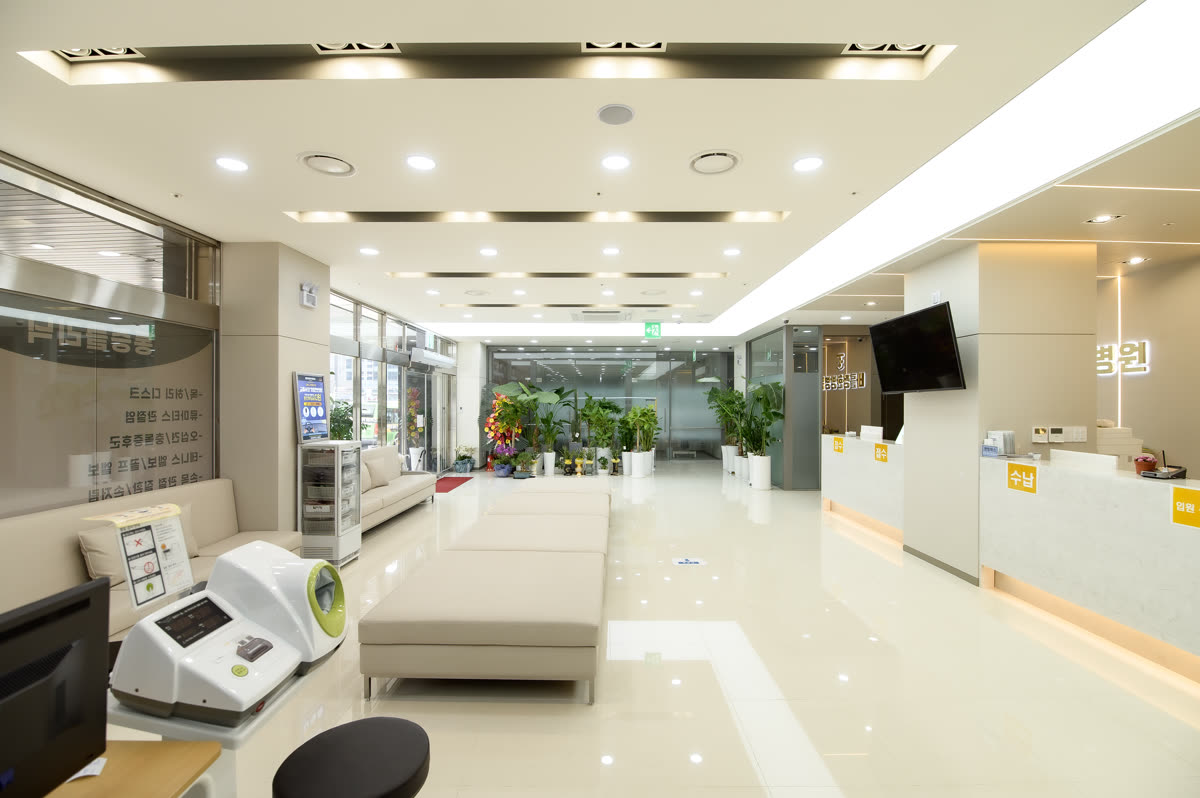
Sindaebang Station (Line 2)