 K-Clinic
SMAS Layer vs Dermis: Why Korea Clinics Suggest Ulthera
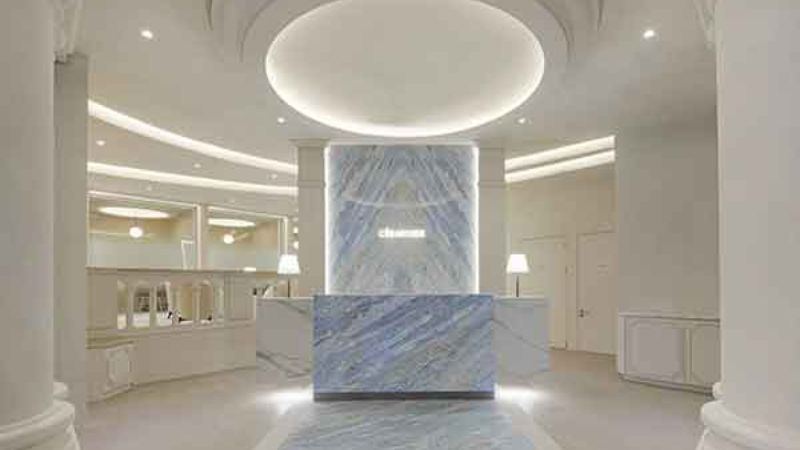
The SMAS is a fascia layer beneath the skin and fat that supports the facial contour, while the dermis is the skin itself and affects fine lines, firmness and texture. Sagging contours are commonly linked to this deeper layer, which is why Korean clinics often discuss Ulthera, and surface laxity is usually treated at the dermis. At Céramique Clinic in Gangnam, Seoul, Director Dr. Lee Jong-jin, a doctor of aesthetic anatomy, decides which layer to treat, from skin and fat to fascia, and the actual plan depends on the consultation.
SMAS vs dermis: which layer is sagging?
The SMAS is a fascia layer beneath the skin and fat that supports the facial contour. The dermis is the skin itself and relates to collagen, fine lines and firmness.
A sagging contour and surface laxity can both look like a "drooping face", but the problem sits in different layers. Korean clinics suggest Ulthera because it works on the fascia layer (SMAS), which suits a sagging contour.
Céramique Clinic's approach is to read the face first and then choose the treatment. For pricing, please ask through the "Request booking" button or the live chat on K-Clinic.
What are the three layers of the face?
Think of the face as three layers: skin (including the dermis) on the outside, fat in the middle, and the SMAS fascia layer deeper down.
- Dermis: affects fine lines, pores, firmness and skin texture
- Fat layer: affects fullness or thickness in the cheeks and chin
- SMAS fascia layer: commonly described as related to contour support
Each layer shows problems differently, so each is treated differently.
What is the difference between SMAS and the dermis?
The dermis sits near the surface, and the SMAS lies deeper. Devices act at different depths, so they improve different concerns.
Here is how the devices compare, based on Céramique Clinic's information:
- Ulthera (ultrasound, deep): works on the fascia layer (SMAS) and suits sagging contours
- Thermage (radiofrequency, dermis): heats the dermis to stimulate collagen and improve laxity and skin texture
- Sofwave (ultrasound, mid-dermis): short treatment time, suited to fine lines and firmness
- Onda (microwave, fat layer): targets localized fat such as a double chin or cheeks
- Titanium (laser lifting): multi-wavelength laser for firmness and radiance
How do I tell a sagging contour from surface laxity?
A commonly used way to tell them apart is to look at whether the laxity is in the contour or on the skin surface.
- Sagging contour: a blurred jawline and lines around the mouth corners and chin that drop, usually linked to deeper support
- Surface laxity: thinner skin, more fine lines and reduced firmness and texture, usually treated at the dermis
The two often occur together, so it is not as simple as picking one. The actual assessment depends on the doctor's consultation.
Why do Korea clinics suggest Ulthera?
The reason is simple: Ulthera is the only device in Céramique Clinic's information that is stated to work on the fascia layer (SMAS), and a sagging contour is linked to that layer.
If the problem is in the contour, treating only the dermis may not be the best-matched approach. Conversely, if the main concern is fine lines and skin texture, deep treatment may not be needed. Ulthera is suggested on the condition that the consultation finds a sagging contour to be the main problem. Results vary by person and are not guaranteed.
How does the Céramique Clinic director choose the layer?
Director Lee Jong-jin is a doctor of aesthetic anatomy who decides which layer to treat, from skin and fat to fascia, rather than applying the same treatment to everyone.
The clinic offers Ulthera, Thermage, Titanium, Onda and Sofwave, and these can be combined according to the degree of laxity and your budget. A device is not recommended simply because it is the only one on site.
This is what sets the clinic apart: it looks at facial structure, not a single treatment.
What to know before and after treatment
You can arrive bare-faced on the day, or remove your makeup at the clinic. If you are taking medication such as anticoagulants, please tell the clinic in advance.
Brief redness or mild swelling may occur afterward and usually fades quickly, but the actual course depends on the doctor's judgment. For a few days after treatment, avoid saunas, alcohol and strenuous exercise; aftercare instructions are given after the procedure.
Where is Céramique Clinic and what are the hours?
Céramique Clinic is about a 2-minute walk from Nonhyeon Station in Gangnam, Seoul. The address is 29 Bongeunsa-ro 2-gil, Gangnam-gu, Seoul (서울 강남구 봉은사로2길 29), in a standalone building.
Opening hours: Monday–Friday 09:00–18:00 (lunch break 13:00–14:00). Closed on Saturdays and Sundays.
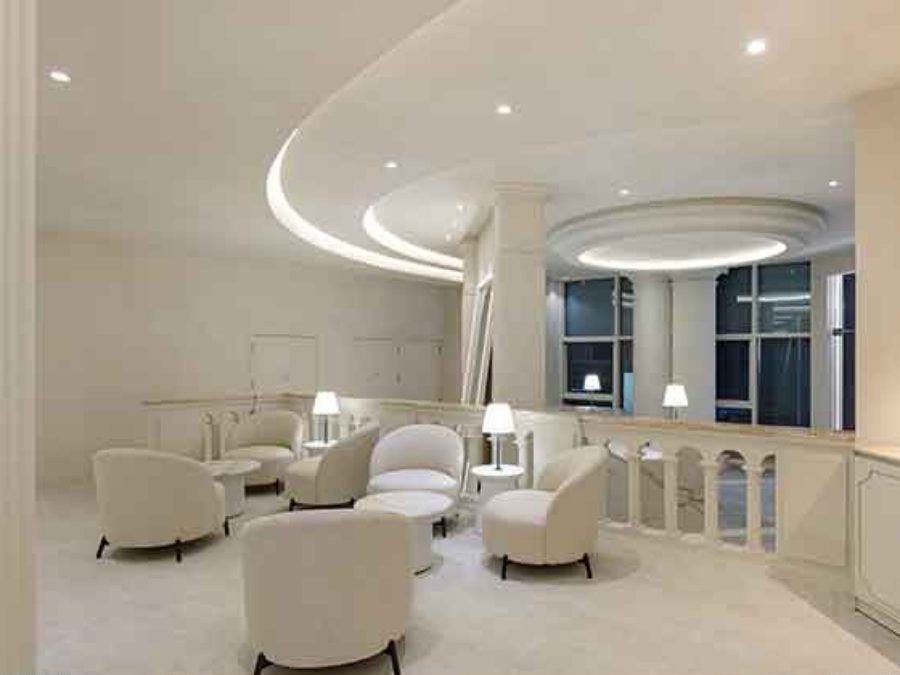
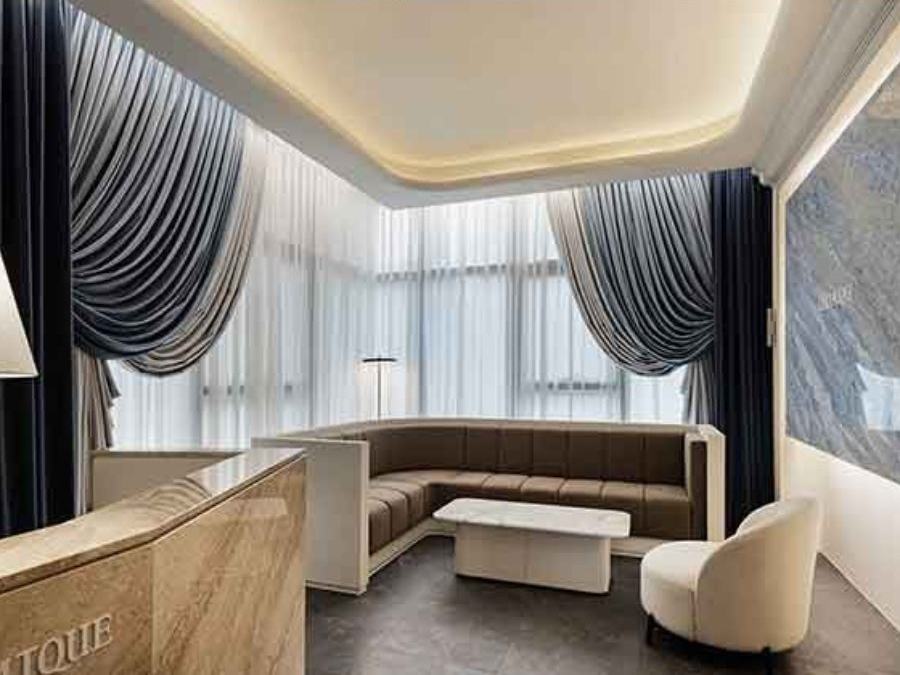
Treatment follows a ONE DAY format: consultation, examination and treatment are completed on the same day, so you can go straight to shopping or travel afterward. The clinic has private one-person treatment rooms and a VIP lounge.
Frequently asked questions from international visitors
Q: Can I go sightseeing right after treatment?
A: Yes. Most lifting and injection treatments let you resume normal activity the same day, though this depends on the treatment and your skin condition.
Q: Do I need to book in advance?
A: We recommend reserving a time slot first, which shortens your waiting time at the clinic.
Q: Can I combine different devices?
A: The clinic says its devices can be combined according to the degree of laxity and your budget. The actual combination is recommended by the doctor after consultation.
Q: Can I visit on a weekend?
A: The clinic is closed on Saturdays and Sundays, so please plan your visit for Monday–Friday.
How do I book Céramique Clinic through K-Clinic?
To find out whether you have a sagging contour or surface laxity, use K-Clinic's "Request booking" button or the live chat for a free consultation, and tell us your concerns and schedule. For pricing, please ask through the same channels.
We can check the following with the clinic for you:
- Which layer suits the area you are concerned about
- How to combine devices such as Ulthera and Thermage
- Current promotions and the number of options available
- Available dates and time slots from Monday to Friday
Once your booking is complete, we will send you your arrival time and the clinic address.
Actual treatment depends on the results of your consultation.
Frequently asked questions
What is the SMAS layer in the face?
The SMAS is a fascia layer beneath the skin and fat, and it is commonly described as supporting the facial contour. Whether this layer needs treatment is decided by the doctor at your consultation.
What is the difference between the SMAS and the dermis?
The dermis is the inner layer of the skin and relates to collagen, fine lines and firmness. The SMAS lies deeper and relates to contour support. Because they sit at different depths, different devices are suited to each.
Do I need Ulthera for a sagging face contour in Korea?
Not necessarily. According to Céramique Clinic, Ulthera works on the fascia layer (SMAS) and suits sagging contours, but whether it suits you is recommended by the doctor after your consultation.
How much does treatment cost at Céramique Clinic in Seoul?
Céramique Clinic does not publish a price list, so no amounts are listed here. Please ask about pricing through the "Request booking" button or the live chat on K-Clinic.
Clinics in this article
About 2 min walk from Sinnonhyeon Station