 K-Clinic
Nose Job Korea Price: DOY JUN Primary Rhinoplasty ₩1,335,000
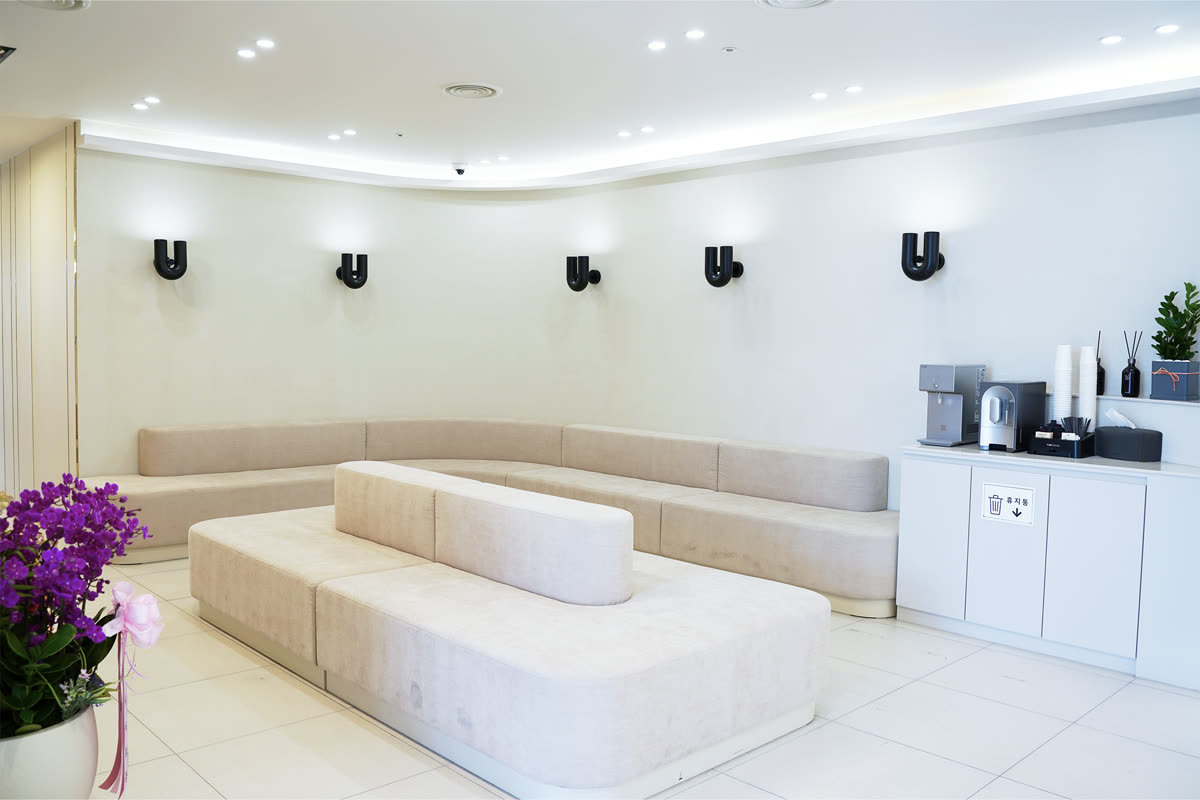
Primary rhinoplasty (nose bridge + nose tip, using ear cartilage) at DOY JUN Plastic Surgery in Gangnam, Seoul costs ₩1,335,000 before VAT, or ₩1,468,500 with 10% VAT. The materials, surgical technique and whether anesthesia is charged separately are not stated in the price list, so confirm them at your consultation. The final plan is decided by the surgeon after examination.
Nose Job Price in Korea: ₩1,335,000 Before VAT
Primary rhinoplasty (nose bridge + nose tip, ear cartilage) at DOY JUN Plastic Surgery is ₩1,335,000 before tax. With 10% VAT, the price is ₩1,468,500.
The price list describes the scope as "nose bridge + nose tip, ear cartilage": the bridge and tip are treated together in primary rhinoplasty, and ear cartilage is used.
For a first nose surgery, price is not the only thing that matters. Make sure you clarify the scope, materials, technique and anesthesia fee. This article lists the points you can take straight into your consultation.
How Is the Rhinoplasty Price Calculated? VAT and Anesthesia
Prices on the list are before tax, with 10% VAT added. For primary rhinoplasty:
- Before VAT: ₩1,335,000
- With VAT (×1.1): ₩1,468,500
The price list also shows anesthesia fees: sedation (twilight) anesthesia ₩195,000 and general anesthesia ₩585,000. Whether they are charged separately depends on the surgery, so confirm at your consultation.
If rhinoplasty is combined with sedation anesthesia, a simple sum is ₩1,335,000 + ₩195,000 = ₩1,530,000 before VAT, or ₩1,683,000 with VAT. With general anesthesia, it is ₩1,335,000 + ₩585,000 = ₩1,920,000 before VAT, or ₩2,112,000 with VAT.
These are only simple additions. Which anesthesia is used and whether it is charged separately is decided by the surgeon after examination.
What Does Primary Rhinoplasty Cover? Bridge, Tip and Ear Cartilage
The listing reads "nose bridge + nose tip, ear cartilage." Broken down:
- Nose bridge: the upper line of the nose, meaning the height and direction you see from the side.
- Nose tip: the shape and height of the front of the nose.
- Ear cartilage: listed together with the nose tip, meaning this procedure uses ear cartilage.
The source does not state what material is used for the bridge, where the ear cartilage is placed, or how the incision is made. Don't guess; ask the surgeon to explain these at your consultation.
DOY JUN also offers alar reduction and functional rhinoplasty. If you care about nostril width as well as height, you can ask about it in the same consultation. Alar reduction (non-incisional) is ₩585,000 and the incisional type is ₩735,000, both before VAT.
What to Ask the Surgeon at Your First Rhinoplasty Consultation
Differences in nose surgery are mostly in the details, so prepare your questions in advance:
- Materials: What is used for the bridge? Where is the ear cartilage taken from?
- Technique: Where is the incision, and why is this method right for my nose shape?
- Scope: What steps does the ₩1,335,000 include? Are there items that cost extra?
- Anesthesia: Sedation or general anesthesia? Is it charged separately?
- Nostrils: Do I need alar reduction as well?
- Your own features: How does the surgeon assess my skin thickness, current nose shape and goals?
Bring a few reference photos of nose shapes you like, and say directly whether you want a "natural" look or a "noticeable change." The surgeon will recommend a suitable direction based on the examination.
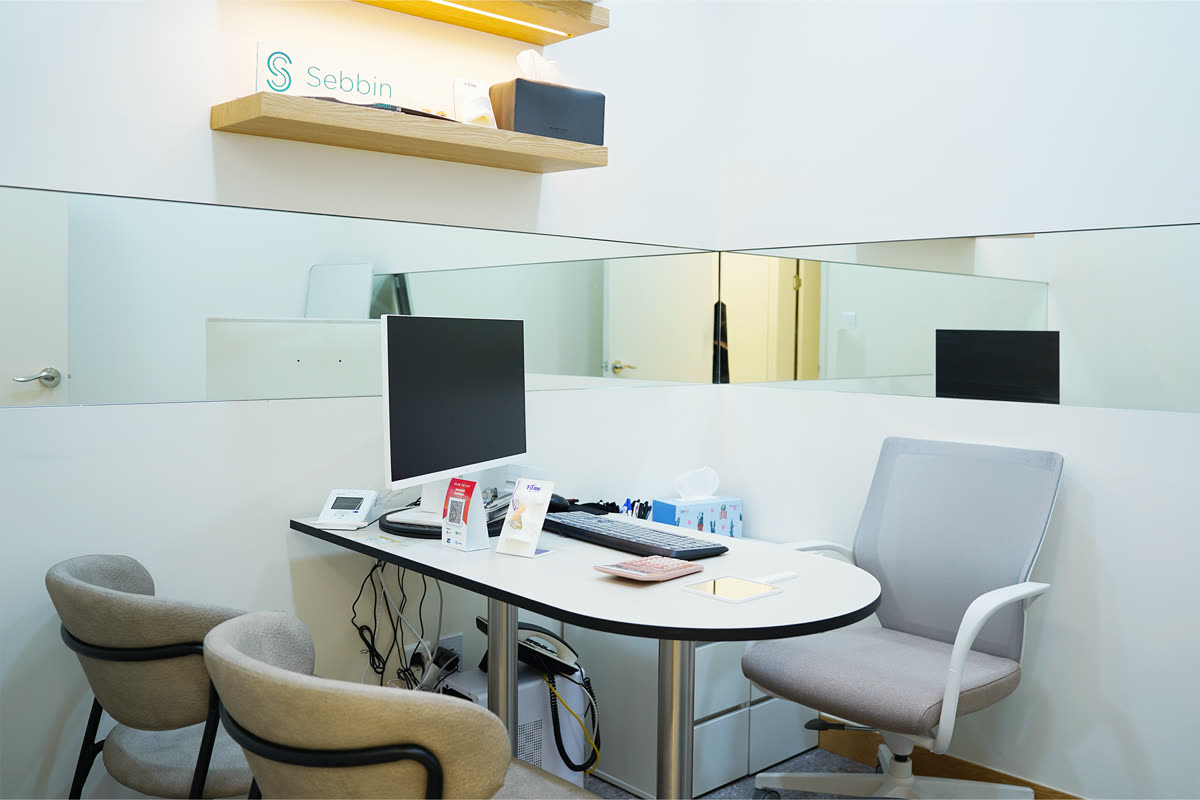
Anesthesia and Surgeons at DOY JUN
DOY JUN has 3 board-certified plastic surgeons. Director Lee Seung-jun is a board-certified plastic surgeon specializing in eyes, nose, lifting, liposuction and fat grafting.
The clinic also has an anesthesiology and pain medicine specialist on site. Local, sedation or general anesthesia is used depending on the surgery, and the procedure is recorded on CCTV.
The clinic's selling point is that "the same surgeon stays with you from consultation through surgery and recovery," and a dedicated recovery team helps with pain, swelling and scar management.
Recovery Time and How Many Days to Stay in Korea
According to the clinic's general guidance, after rhinoplasty you can do light daily activities the next day, obvious swelling goes down in about 1–2 weeks, and residual swelling lasts about 1–3 months. After the splint is removed, your range of activities gradually widens.
How many days you need to stay in Korea, and when stitches are removed and follow-up visits happen, is decided by the surgeon after examination based on the technique and your recovery. When booking, tell the clinic your planned departure date so your schedule isn't squeezed.
Also note these preparation points:
- Tell the clinic about any medication you take (especially anticoagulants) and your surgical history.
- After rhinoplasty, avoid smoking and alcohol for at least 3–4 weeks.
- Give your planned departure date when you book.
This is general information; your actual situation depends on the surgeon's judgment.
Hours and Directions: DOY JUN in Gangnam, Seoul
DOY JUN Plastic Surgery is at Exit 3 of Sinnonhyeon Station (Line 9), connected to the building by an underground passage. Take the elevator to the 12th floor.
Address: 12F Urban Hive Building, 476 Gangnam-daero, Gangnam-gu, Seoul.
- Monday–Friday: 10:00–19:00 (no lunch break)
- Saturday: 10:00–17:00 (no lunch break)
- Sunday: closed
The underground connection makes the walk easier in rain or cold weather, and follow-up visits after surgery are convenient.
Frequently Asked Questions About Rhinoplasty at DOY JUN
Q: Is ₩1,335,000 the final amount I pay?
A: No. It is the price before tax. 10% VAT is added at checkout, making ₩1,468,500 with VAT. Whether anesthesia is charged separately depends on the surgery, and the final cost is decided after the surgeon's examination.
Q: Can I compare other procedures at the same clinic?
A: Yes. The clinic offers eye surgery, nose surgery, lifting, liposuction and fat grafting, and its 3 board-certified plastic surgeons consult by area.
Q: Can I book and have a consultation without speaking Korean?
A: Yes. You can book and arrange your consultation through K-Clinic using the "Request booking" button or the live chat on this website.
Q: Can I combine rhinoplasty with alar reduction?
A: Alar reduction is listed separately on the price list. Whether it is done in the same session and how it is combined is decided by the surgeon at your consultation.
Book DOY JUN Plastic Surgery Through K-Clinic
It's normal to have many questions before your first nose surgery. Use K-Clinic to get a free consultation through the "Request booking" button or the live chat on this website, and clarify materials, technique and the total cost before you decide.
We can check these points with the clinic for you:
- The actual scope and materials of the ₩1,335,000 primary rhinoplasty
- The suitable anesthesia and whether it is charged separately
- Stitch removal, follow-up timing and the recommended length of stay
- The date and time slot you want to book
Once your booking is complete, we will tell you your arrival time and the address.
Actual treatment depends on the examination results.
Frequently asked questions
How much does a nose job cost at DOY JUN Plastic Surgery in Korea?
Primary rhinoplasty (nose bridge + nose tip, ear cartilage) is listed at ₩1,335,000 before VAT, which is ₩1,468,500 with 10% VAT. The actual cost is decided by the surgeon after examination.
What does primary rhinoplasty at DOY JUN include?
The price list describes it as nose bridge + nose tip, ear cartilage. The specific materials and surgical technique are not stated, so ask the surgeon at your consultation.
Is anesthesia included in the ₩1,335,000 rhinoplasty price in Korea?
The price list shows sedation (twilight) anesthesia at ₩195,000 and general anesthesia at ₩585,000, both before VAT. Whether it is charged separately depends on the surgery, so confirm at your consultation.
How long does swelling last after a nose job in Korea?
According to the clinic's general guidance, obvious swelling goes down in about 1–2 weeks, and residual swelling lasts about 1–3 months. Your actual recovery depends on the surgeon's assessment.
Clinics in this article
Sinnonhyeon Station (Line 9) Exit 3, direct underground access to the building