 K-Clinic
Manual Therapy Korea: Yonsei An Pain Clinic Guide 2026
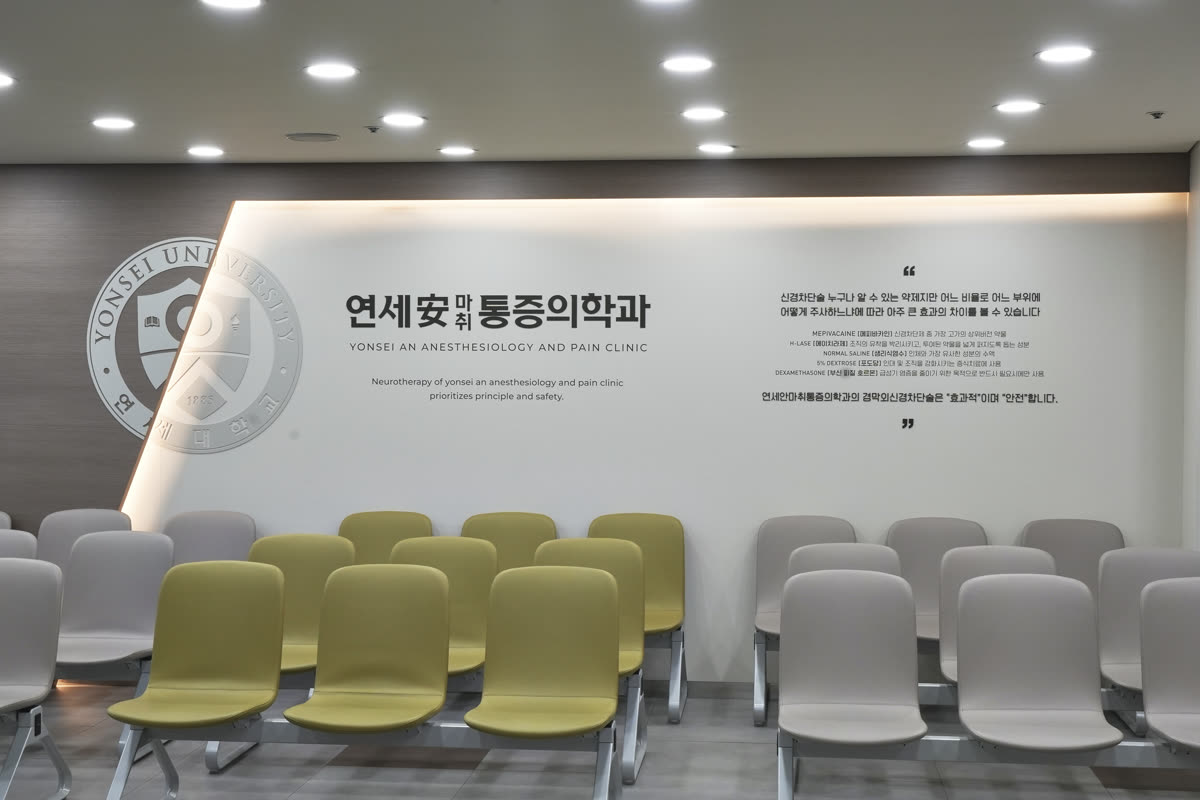
Manual therapy in Korea is a non-surgical, hands-on treatment performed after a doctor has assessed the source of your pain. Yonsei An Pain Medicine lists it alongside spinal decompression, shockwave and radiofrequency. It is not a relaxation massage: the first visit takes about 2–3 hours and the basic exam costs ₩385,000.
Manual therapy in Korea: a non-surgical treatment done after assessment
The treatment menu at Yonsei An Pain Medicine includes manual therapy, listed alongside spinal decompression, shockwave and radiofrequency, and nerve block and injections. It is one of the clinic's non-surgical treatments.
The clinic's approach is to assess first, then decide how to treat. At the first visit, the doctor takes your history and carries out a musculoskeletal and nerve assessment. Where needed, X-rays and brainwave and pulse-wave tests are added to work out whether the pain is related to the discs, joints, muscles, fascia or nerves, or to several factors together. Whether manual therapy suits you is decided by the doctor once these results are in.
One point to be clear about: the clinic's information lists only "manual therapy" as an item and does not describe the techniques, session length or a separate price. This article does not guess at those details, so please confirm them with the clinic during your consultation.
Manual therapy vs massage: what is the difference?
The commonly given explanation is that massage is geared toward relaxation, while manual therapy is applied to problem areas after a doctor's assessment. Both use the hands, but the starting point is different.
- Massage: usually aims to relax the whole body or one area and ease fatigue, and generally does not require a medical exam first.
- Manual therapy: is performed at a medical clinic, preceded by an interview and examination, so the source of the pain is known before deciding whether to treat and which area to work on.
For visitors, this difference affects how you book. You can walk into a massage shop the same day; at Yonsei An, you first go through a first visit of about 2–3 hours, and treatment is arranged based on the results.
K-Clinic also recommends not treating manual therapy as "a harder massage." Pressure, treatment area and number of sessions should follow the doctor's judgment, not the idea that it only works if it hurts.
Which types of aches and pain suit manual therapy?
Yonsei An's assessment starts with where the pain might come from. The sources listed are the discs, joints, muscles, fascia and nerves, or several of them combined.
Commonly, stiffness and aches related to muscles, fascia and joint movement are the ones most often discussed in connection with manual therapy. Examples include tight shoulders, neck or back after long periods of sitting or looking down, or a spot that feels stuck when you move. This is only a general explanation, and whether you are suitable depends on the doctor's assessment.
If your symptoms include any of the following, mention them specifically at the first visit:
- Aches that last a long time or keep coming back
- Pain that spreads into the arm or leg, or comes with numbness or weakness
- Pain that changes noticeably with different movements
Symptoms like these may involve nerves or discs, so the doctor may arrange tests first and then decide whether to use manual therapy or switch to another non-surgical treatment.
Does manual therapy hurt?
The clinic's information does not describe how painful manual therapy is, so only the commonly reported experience can be given here: you may feel pressure or stretching during treatment, and some people feel soreness in the area afterwards. How it feels varies by person and by body area, and is subject to the doctor's judgment.
The most practical way to reduce the risk of it being too painful is to tell the doctor how it feels throughout the treatment. If it hurts too much, is uncomfortable, or you want to pause, you can say so directly.
If you are especially afraid of pain, let us know when you request your booking. The clinic's information also notes that whether you are afraid of needles is something to tell them when booking, and the clinic takes your situation into account. Whether the treatment approach needs adjusting is the doctor's decision.
How is manual therapy combined with other treatments?
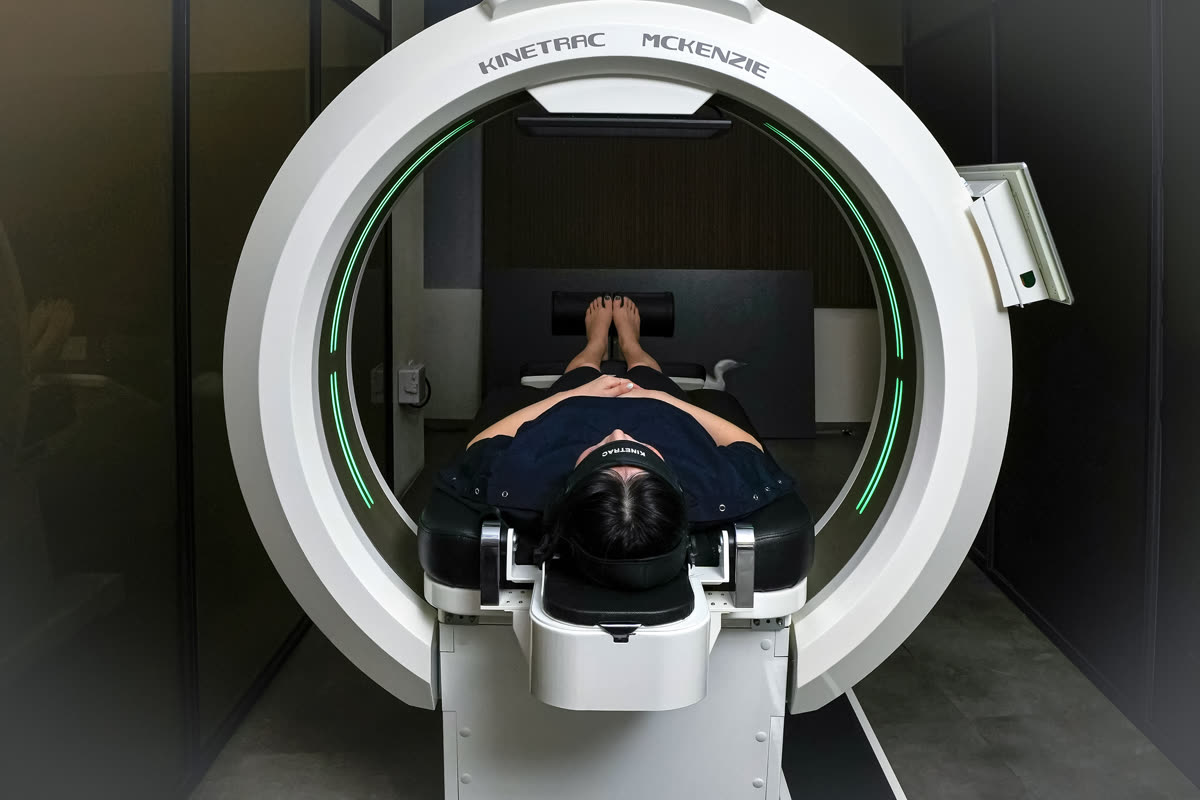
Yonsei An focuses on non-surgical treatment. The items listed are spinal decompression, shockwave, radiofrequency and manual therapy, with injections such as ultrasound-guided nerve blocks added when needed. The clinic also offers recovery-care items such as a hyperbaric oxygen chamber, a PBM light therapy chamber and IV drips.
The combination is not something you choose in advance. A team of 8 medical staff across pain medicine, neurosurgery, orthopedics and the treatment department discusses it together based on your test results. Manual therapy may be done on its own or scheduled together with other treatments, and the number of sessions is decided by the doctor.
The prices listed are:
- Basic exam (X-ray, doctor consultation, brainwave and pulse-wave assessment): ₩385,000, included in the package price if you choose a treatment package
- Non-injection treatment package: ₩620,000–₩1,400,000
- Injection + non-injection treatment package: ₩830,000–₩2,500,000
- VIP package: from ₩3,750,000
Packages are priced as ranges depending on the treatments included. No separate price is listed for manual therapy; the information says single treatments can also be chosen, but please confirm the amount during your consultation. The information also does not state whether the prices above include tax, so please ask before paying.
Ultrasound, 3D posture analysis, and allergy, vitamin, iron, blood, bone density and rheumatoid-related tests are done only when the doctor judges them necessary, and their costs are explained separately.
What to tell the doctor before treatment
Manual therapy acts directly on the body, so the more the doctor knows about your condition, the better they can judge whether it is suitable. When booking and at the first visit, prepare this information:
- Main symptoms and how long you have had them: where it hurts, for how long, and what movements make it worse
- Current medications and drug allergies
- Whether you might be pregnant
- Whether you are afraid of needles: if your plan might include injections, saying so lets the doctor explain beforehand
Beyond the items the clinic lists, it is also generally advisable to mention past injuries or surgeries and any treatments you have had recently. These may help in judging the safety of manual therapy, and whether they are needed is the doctor's decision.
For scheduling, the information suggests placing the visit early in your Korea trip, so you have flexibility if the doctor recommends a follow-up. For the first visit, please arrive at least 3–4 hours before closing.
Location and opening hours
Yonsei An Pain Medicine is near Exit 1 of Yeokgok Station (Line 1) at Yurim Building, 3F (registration and consultation), 511 Gyeongin-ro, Sosa-gu, Bucheon-si, Gyeonggi-do. Treatment space is also on the 5th and 7th floors. Parking is available in the building.
From Seoul, take Subway Line 1 on a train bound for Incheon or Dongincheon to Yeokgok Station. Trains toward Cheonan, Sinchang, Seodongtan and Gwangmyeong do not stop at Yeokgok, so check the direction before boarding.
Opening hours:
- Mon, Wed, Fri: 09:00–20:00
- Tue, Thu: 09:00–18:00
- Saturday: 09:00–14:00
- Sunday: closed
The first visit takes about 2–3 hours and Saturday hours end at 14:00, so a weekday, or the evening hours on Monday, Wednesday or Friday, is more comfortable.
Frequently asked questions from international visitors
Q: Can I get my results after returning home?
A: Yes. Within about 1 week of your visit, the clinic emails your test results, consultation summary, treatment recommendations and X-ray files.
Q: Is medical interpretation available?
A: The clinic provides English medical interpretation; other languages require advance booking. If you need an interpreter, mention it when you request your booking through K-Clinic.
Q: Do I have to get injections?
A: No. Whether injections are suitable is decided by the doctor based on the assessment, and there are non-injection treatment packages. Treatment options and precautions are explained before anything is done.
Q: Can I claim on travel insurance?
A: The clinic can prepare the documents needed for overseas insurance claims. Please check the coverage and required forms directly with your insurer.
Book Yonsei An Pain Medicine through K-Clinic
Whether manual therapy suits you depends on the assessment results. Through K-Clinic, you can use the "Request booking" button or the live chat on this website for a free consultation, and get your symptoms, medications and questions about treatments organised before the first visit.
We can check these with the clinic for you:
- Whether your symptoms suit asking about manual therapy, and how the first visit works
- The price of manual therapy as a single treatment, and how it differs from the packages
- Available dates and time slots, and interpreter arrangements
- Emailed results after you return home, and preparing overseas insurance documents
Once your booking is confirmed, we will tell you your arrival time and the address.
Actual treatment depends on the results of your examination.
Frequently asked questions
What is manual therapy in Korea?
Manual therapy is a non-surgical treatment delivered mainly by hand at a medical clinic. Yonsei An Pain Medicine lists it on its treatment menu alongside spinal decompression, shockwave and radiofrequency, and the content and number of sessions are decided by the doctor after assessment.
What is the difference between manual therapy and massage?
Massage is generally aimed at relaxation, while manual therapy targets problem areas after the source of pain has been identified. At Yonsei An Pain Medicine, the first visit includes an interview, a musculoskeletal and nerve assessment and X-rays where needed, before treatment is arranged.
How much does manual therapy cost at Yonsei An Pain Medicine in Korea?
The clinic does not list a separate price for manual therapy. The reference prices are ₩385,000 for the basic exam and ₩620,000–₩1,400,000 for non-injection treatment packages, with the actual cost explained after the doctor's assessment.
What should I tell the doctor before manual therapy in Korea?
Tell the doctor your main symptoms and how long you have had them, the medications you currently take, any drug allergies, and whether you might be pregnant. Past injuries and surgeries are also worth mentioning, and the doctor decides whether manual therapy is suitable.
Clinics in this article
Near Yeokgok Station (Line 1) Exit 1