 K-Clinic
Jeongan Acupuncture Korea: Activities After Treatment
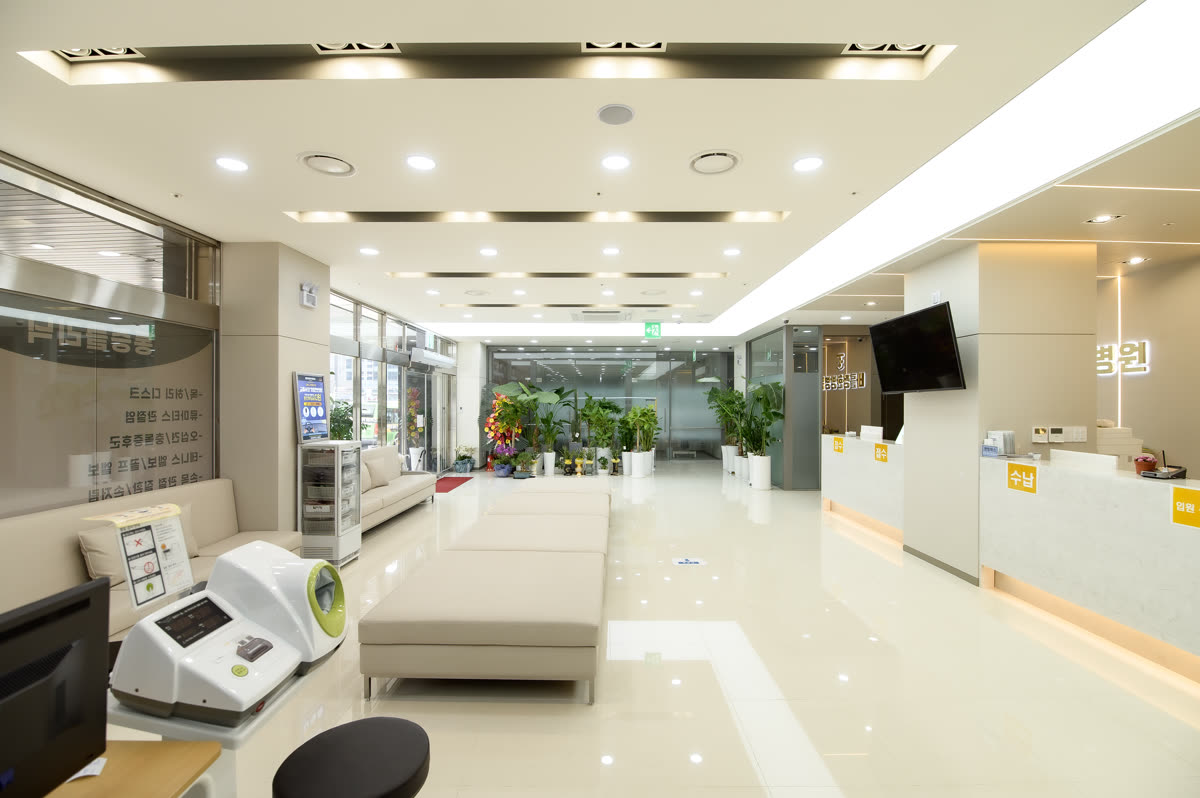
Jeongan acupuncture at Barrrjung Korean Medicine Hospital in Seoul uses about 150–200 needles in roughly 1 hour, and the hospital explains that pain or swelling may follow. Keep the day of treatment light: taking the subway or a taxi back to your accommodation is fine, but leave long shopping trips flexible. Reactions vary, so the doctor decides what activity suits you.
Quick answer: keep treatment day light, then see how you feel
Jeongan acupuncture uses about 150–200 needles in about 1 hour. The hospital explains that pain or swelling may occur after the needles.
The planning rule is simple: schedule only easy activities on the day of treatment, and keep shopping or long queues flexible. Taking the subway or a taxi back to your accommodation is generally fine.
Everyone reacts differently, and whether you can be active, and for how long, is the doctor's decision. This article summarises the information from Barrrjung Korean Medicine Hospital, plus practical tips for planning your itinerary.
What is Jeongan acupuncture? 3 numbers to know
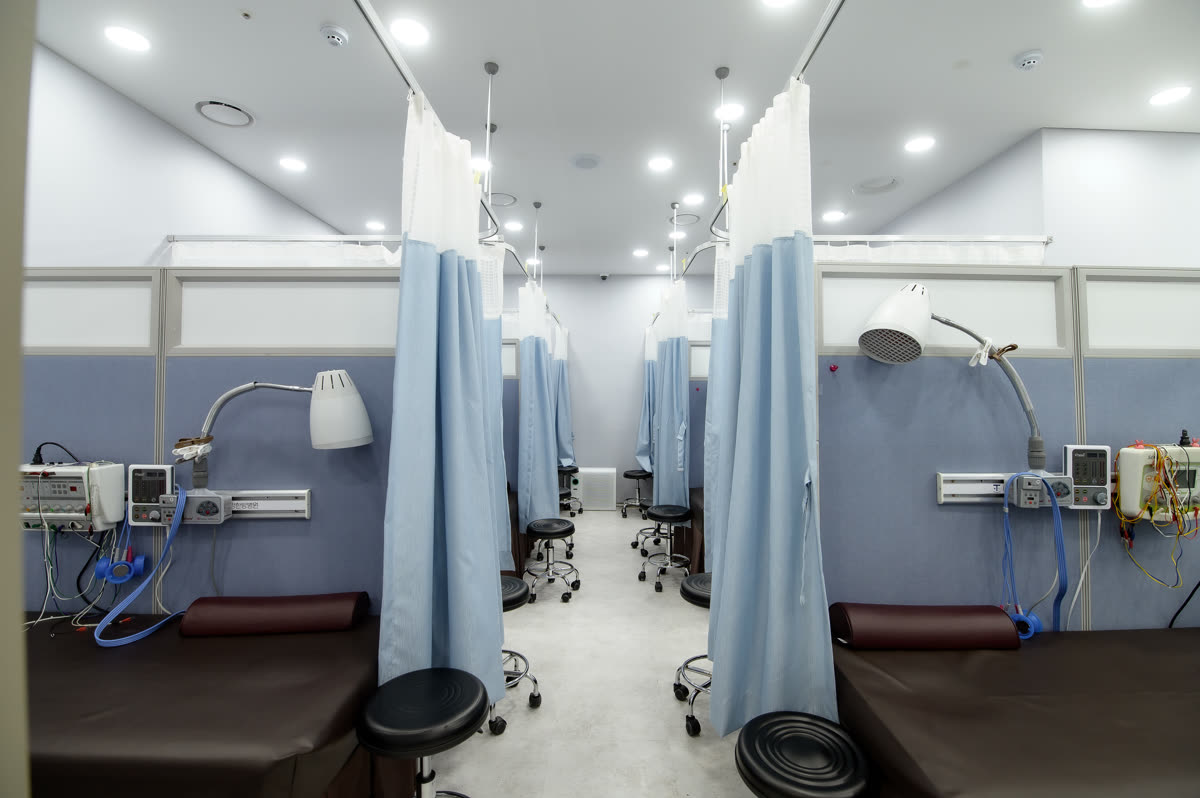
Jeongan acupuncture is one of the treatments Barrrjung Korean Medicine Hospital uses for facial conditions such as facial nerve paralysis (a drooping face). The hospital explains that one session uses about 150–200 needles.
- Needles: about 150–200
- Time: about 1 hour
- After the needles: pain or swelling may occur
Treatment is combined according to your condition. Besides Jeongan acupuncture, it includes pharmacopuncture, thread embedding, herbal medicine and manual nerve electrotherapy. The doctor decides what suits you after the examination, so not everyone receives Jeongan acupuncture, and the number of sessions and intervals are also decided by the doctor.
On the day of treatment: how to plan it
With so many needles, pain or swelling afterward may make you not want to walk far. The safest plan is to go back to your accommodation and rest after treatment.
- Before treatment: eat first; don't arrive on an empty stomach.
- After treatment: go straight back, or have a simple meal nearby.
- Evening: don't book anything you must reach on time (concerts, restaurant reservations, night tours).
- Skip that day: long shopping trips, hiking, and anything that involves close-up photos of your face.
If you had already booked sights for that day, schedule them before the treatment, or move them to another day after it.
Can I take the subway, a taxi or a flight afterwards?
Taking the subway or a taxi back to your accommodation is generally fine. The hospital is in Gwanak-gu, close to Sindaebang Station (Line 2), so check your route home in advance.
If you are worried about facial swelling or pain, a crowded rush-hour subway may be uncomfortable, and a taxi is an option.
If you plan to fly, ask the doctor first if you want to return home on the day of treatment or the next day. The source material has no information about flying, so please confirm at your consultation. Before you go home, the hospital checks your recovery and explains precautions and follow-up care.
What about the day after treatment?
Whether you can go sightseeing normally the next day depends on your pain and swelling, and on the doctor's judgment.
- If you feel fine: keep it light, such as a café or an indoor exhibition.
- If you are still sore or swollen: continue with easy plans and don't overfill the day.
- If you have a follow-up visit: book that time first, then plan everything else.
For conditions such as facial nerve paralysis, the hospital explains that treatment in the early stage after onset has a major effect on the outcome, so follow-up visits take priority over sightseeing. Speed and degree of recovery vary from person to person.
When should I report symptoms to the doctor?
The source says that "pain or swelling may occur after the needles." In the following cases, don't just put up with it: tell the doctor directly, or message us through K-Clinic live chat:
- Pain or swelling is more noticeable than the doctor explained before treatment
- Pain or swelling does not improve, or keeps getting worse
- Facial symptoms (such as a drooping face or tingling) change compared with before
- Anything feels unusual or worrying to you
Before treatment, also tell the doctor about any medication you are taking, especially anticoagulants and steroids. This information affects the doctor's judgment. How to handle any symptoms depends on the doctor's judgment.
Opening hours and location
Barrrjung Korean Medicine Hospital is near Sindaebang Station (Line 2), at 1485 Nambusunhwan-ro, Gwanak-gu, Seoul (Samnam Building, floors 1, 7, 8 and 9).
- Monday–Friday: 09:00–20:00 (lunch break 13:00–14:00)
- Saturday, Sunday and public holidays: 09:00–15:00 (no lunch break)
It is open on weekends too, which is convenient for visitors with only a few days in Seoul. Choose a morning or early-afternoon slot so you have more time to rest back at your accommodation after treatment.
If your stay is short and you want to concentrate treatment, the hospital has a 65-bed ward, so you can ask about hospitalisation.
How much does it cost?
The price list does not show a price for Jeongan acupuncture. Please also confirm fees not listed, such as consultation, tests and basic acupuncture, through K-Clinic live chat first.
Non-covered items on the price list include pharmacopuncture from ₩10,000–30,000 per injection and simple massage at ₩27,000 per session. These prices do not state VAT or a validity period, and the actual treatment and number of sessions depend on the examination.
Frequently asked questions from international visitors
Q: Can I go straight to the airport after treatment?
A: The source has no information on this. Please confirm with the doctor at your consultation whether flying right after treatment is suitable.
Q: What documents should I bring?
A: Your medical records from home and imaging such as MRI or CT (on disc or as files), and tell the doctor the date of onset and how your symptoms have changed.
Q: Can I be treated if I only stay a few days?
A: The number of sessions and intervals are decided by the doctor after examination. Tell us when your symptoms began and how long you are staying, and we will check whether your schedule is enough.
Q: Can I communicate in English?
A: Booking and pre-visit consultation are handled through K-Clinic, using the "Request booking" button or the live chat on this website.
Book Barrrjung Korean Medicine Hospital through K-Clinic
Keep your Jeongan acupuncture schedule flexible. Through K-Clinic, use the live chat for a free consultation and check your length of stay and treatment time first.
We can confirm with the hospital:
- Whether your symptoms and length of stay fit the treatment schedule
- Activity advice for the day of treatment and the day after
- Suitable dates and time slots (including weekends)
- Recovery check and precautions before you go home
Once your booking is complete, we will send you the arrival time and address. Use the "Request booking" button on this website to get started.
Actual treatment depends on the examination results.
Frequently asked questions
Can I go shopping on the day of Jeongan acupuncture in Korea?
The hospital explains that pain or swelling may occur after Jeongan acupuncture, so keep the day light and flexible. Whether you can stay out for a long time depends on the doctor's judgment, so ask before treatment.
Can I take the subway or a taxi after Jeongan acupuncture?
Generally yes, you can travel back to your accommodation by public transport, but how you feel after the needles varies from person to person. Avoid a tight schedule with many transfers on the day, and confirm details with the doctor before treatment.
How many needles are used in Jeongan acupuncture at Barrrjung Korean Medicine Hospital?
One session uses about 150–200 needles and takes about 1 hour. The hospital explains that pain or swelling may occur afterward, with details given before treatment.
Is Barrrjung Korean Medicine Hospital in Seoul open on weekends?
Yes. It is open 09:00–15:00 on Saturdays, Sundays and public holidays (no lunch break). Weekdays are 09:00–20:00 with a lunch break from 13:00 to 14:00.
Clinics in this article
Sindaebang Station (Line 2)