 K-Clinic
Facial Palsy Treatment Korea: What to Bring to Barrrjung
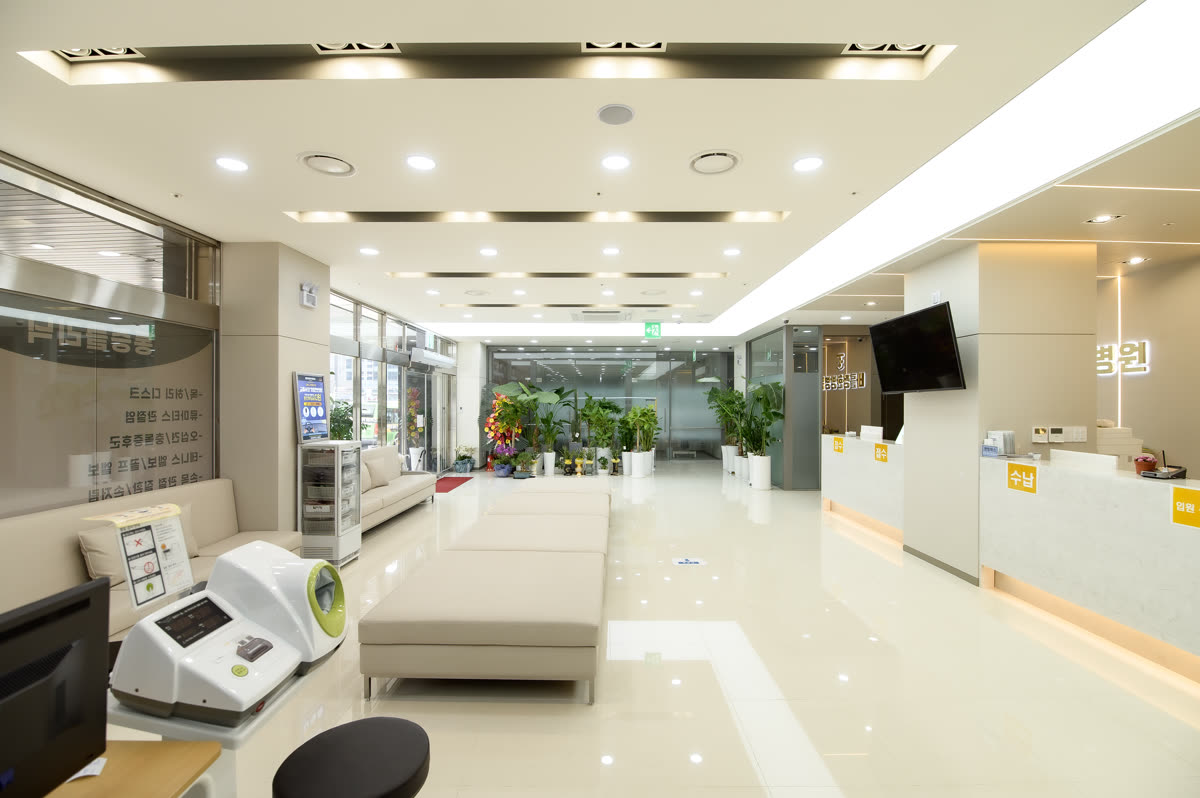
For facial palsy treatment at Barrrjung Korean Medicine Hospital in Seoul, bring four things: your MRI/CT images (disc or file), your medical records from home, notes on your onset date and symptom changes, and a list of current medications. Tell the clinic about any blood thinners or steroids in advance. The doctor decides on treatment after examining you.
What do I bring for facial palsy treatment in Korea?
For facial palsy treatment at Barrrjung Korean Medicine Hospital, prepare four things before you leave: your imaging, your medical records, your onset date, and a medication list.
The hospital's guidance lists three points: bring your medical records and MRI/CT images from home on a disc or as files; tell them your onset date and how your symptoms have changed; and tell them in advance about any medications you are taking, especially blood thinners and steroids.
Below is a checklist you can tick off as you pack.
Why does Barrrjung need these documents?
Barrrjung Korean Medicine Hospital uses a combined Korean medicine and Western medicine approach. Doctors check the cause through pulse diagnosis, palpation, imaging and ultrasound, distinguish peripheral from central palsy, and then plan treatment.
Tests and records you already have let the doctor understand your history at the first visit. Whether you need additional tests in Korea is decided by the doctor.
Checklist 1: MRI and CT images on disc or file
For MRI, CT and other imaging, the hospital asks you to bring a disc or files.
- □ MRI images (disc or digital file)
- □ CT images (disc or digital file)
- □ Imaging report (if your hospital at home provided one)
- □ A backup copy of the files on your phone or a USB drive
K-Clinic recommends bringing both a disc and digital files. If your laptop has no disc drive, a file backup is very useful.
If you have not had any imaging done, don't worry. Mention it during your consultation; whether imaging is needed is decided by the doctor.
Checklist 2: Your medical records from home
The hospital asks you to bring your medical records from your home country. You can request them from the hospital or clinic where you were treated.
- □ Diagnosis certificate or medical summary
- □ Test reports
- □ Record of treatment so far (what treatments you had and roughly when)
It is fine if the documents are not in English. What matters is that the dates and contents are complete. Ask us which documents are useful when you book through K-Clinic.
Checklist 3: Onset date and symptom changes
The hospital asks you to tell them your onset date and how your symptoms have changed. Write this in a note on your phone before you leave, so you can read from it at your visit.
- □ The day you first noticed it (onset date)
- □ Which side of the face is affected
- □ Whether it is better, the same, or worse than when it started
- □ Specific problems, such as being unable to close your eye fully, a drooping corner of the mouth, leaking when you drink, or electric-shock-like facial pain
The hospital explains that treatment in the early stage of facial palsy has a large effect on the outcome, so it recommends being seen as early as possible. Speed and degree of recovery vary from person to person.
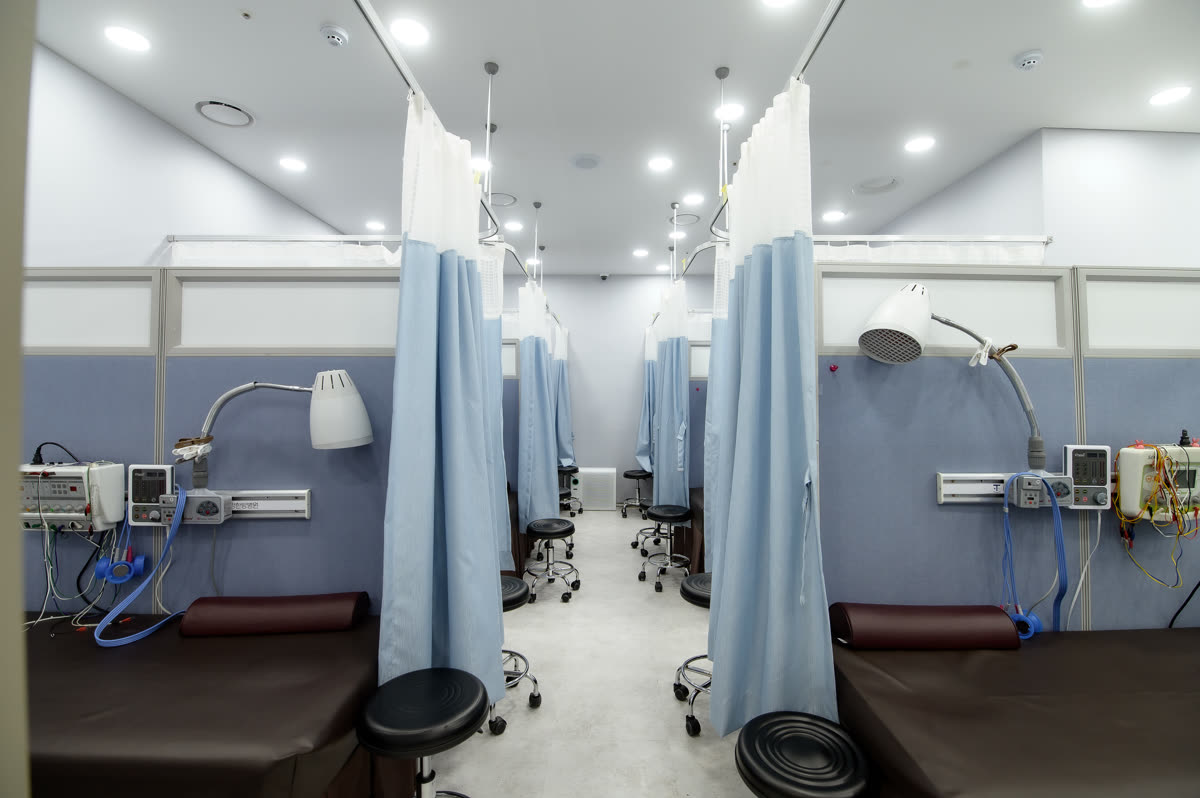
Checklist 4: Medication list, including blood thinners and steroids
List every medication you currently take. The hospital specifically flags blood thinners (anticoagulants) and steroids as medications to disclose in advance.
- □ Drug name, dose, and times per day
- □ Start date, and how long you are expected to take it
- □ Blood thinners: whether you take any, and which one
- □ Steroids: whether you take any, and for how long
- □ Other prescription drugs and supplements
Treatments include acupuncture, pharmacopuncture and thread embedding, and your medication use is something the doctor takes into account. Do not stop or change your dose on your own; any adjustment should follow the judgment of the doctor who prescribed it and the doctor in Korea.
Photos of your medicine boxes, packets or prescriptions on your phone can be shown to the doctor directly.
How much does facial palsy treatment cost at Barrrjung?
The hospital's posted prices for non-covered items are as follows (Korean won; tax and validity period are not stated on the price list):
- Pharmacopuncture: ₩10,000–₩30,000 per injection
- Therapeutic thread embedding (standard): ₩5,000 per thread, minimum 2 threads per session
- Simple manual therapy (chuna): ₩27,000 per session
- Single-bed premium inpatient room: ₩150,000 per day
For fees not on the list, such as consultation, tests and basic acupuncture, please confirm through K-Clinic first. Actual treatment content and number of sessions depend on the examination results.
A session of Jeongan acupuncture involves about 150–200 needles and takes about 1 hour. Pain or swelling may occur after needling, and details are explained before treatment.
Where is Barrrjung and what are its hours?
Barrrjung Korean Medicine Hospital is near Sindaebang Station (Line 2) in Gwanak-gu, Seoul, at 1485 Nambusunhwan-ro, Samnam Building, floors 1, 7, 8 and 9.
- Monday–Friday: 09:00–20:00 (lunch break 13:00–14:00)
- Saturday, Sunday and public holidays: 09:00–15:00 (no lunch break)
The hospital is open on weekends, so you can schedule a visit then if you don't want to take much time off. It has 65 inpatient beds, so ask about admission if you are staying a short time.
Common questions from international visitors
Q: Can I be treated if I only stay a few days?
A: The number of sessions and the interval between them are decided by the doctor after examination. Tell us your onset date and how many days you will stay so we can check whether your schedule is enough. You can also ask about inpatient admission.
Q: What if I forget to bring my documents?
A: Tell us through K-Clinic first and we will check with the hospital how to handle it. If you can photograph documents in advance, you can send them to us beforehand.
Q: How do I tell trigeminal neuralgia from a toothache?
A: Trigeminal neuralgia is usually a sudden stabbing pain lasting seconds to minutes, with pain-free periods in between. A toothache is usually a continuous pain. A doctor's examination is still needed to tell them apart.
Q: What happens after I return home?
A: Before you leave Korea, the doctor will check your recovery and explain what to watch for at home and the direction of follow-up care.
Final check before you leave
- □ MRI/CT disc or digital files
- □ Medical records and test reports from home
- □ Notes on your onset date and symptom changes
- □ Medication list (blood thinners and steroids clearly marked)
- □ Passport and booking confirmation message
Check everything again the day before you leave, and keep digital files on both your phone and a USB drive.
How do I book Barrrjung Korean Medicine Hospital through K-Clinic?
Use the "Request booking" button on this website or the live chat to book through K-Clinic for a free consultation, and get your documents and schedule sorted out first.
We will check with the hospital on your behalf:
- Which of your imaging and medical records to bring, and in what format
- How to explain medications such as blood thinners and steroids to the doctor in advance
- Whether your length of stay is enough, and whether admission is needed
- Fees not on the price list, such as consultation and tests
Once your booking is complete, we will tell you your arrival time and the hospital address.
Actual treatment depends on the results of your examination.
Frequently asked questions
What should I bring to Korea for facial palsy treatment?
Bring your MRI/CT images (disc or file), your medical records from home, notes on your onset date and symptom changes, and a list of the medications you take. Tell the clinic in advance if you take blood thinners or steroids.
Should I bring MRI and CT images on a disc or as files?
Barrrjung's guidance says to bring a disc or files, so either works. We recommend preparing both, and saving a copy on your phone or a USB drive as well as the disc.
Why do I need to tell Barrrjung about blood thinners and steroids?
The hospital lists them as medications to disclose in advance. Treatments include acupuncture, pharmacopuncture and thread embedding, so your medication use affects the doctor's judgment, and suitability for each treatment is decided by the doctor.
Is Barrrjung Korean Medicine Hospital in Seoul open on weekends?
Yes. It is open 09:00–15:00 on Saturdays, Sundays and public holidays with no lunch break. Monday to Friday it is open 09:00–20:00, with a lunch break from 13:00 to 14:00.
Clinics in this article
Sindaebang Station (Line 2)