 K-Clinic
Facial Spasm Korea: Eyelid Twitching Symptom Log | Barrrjung
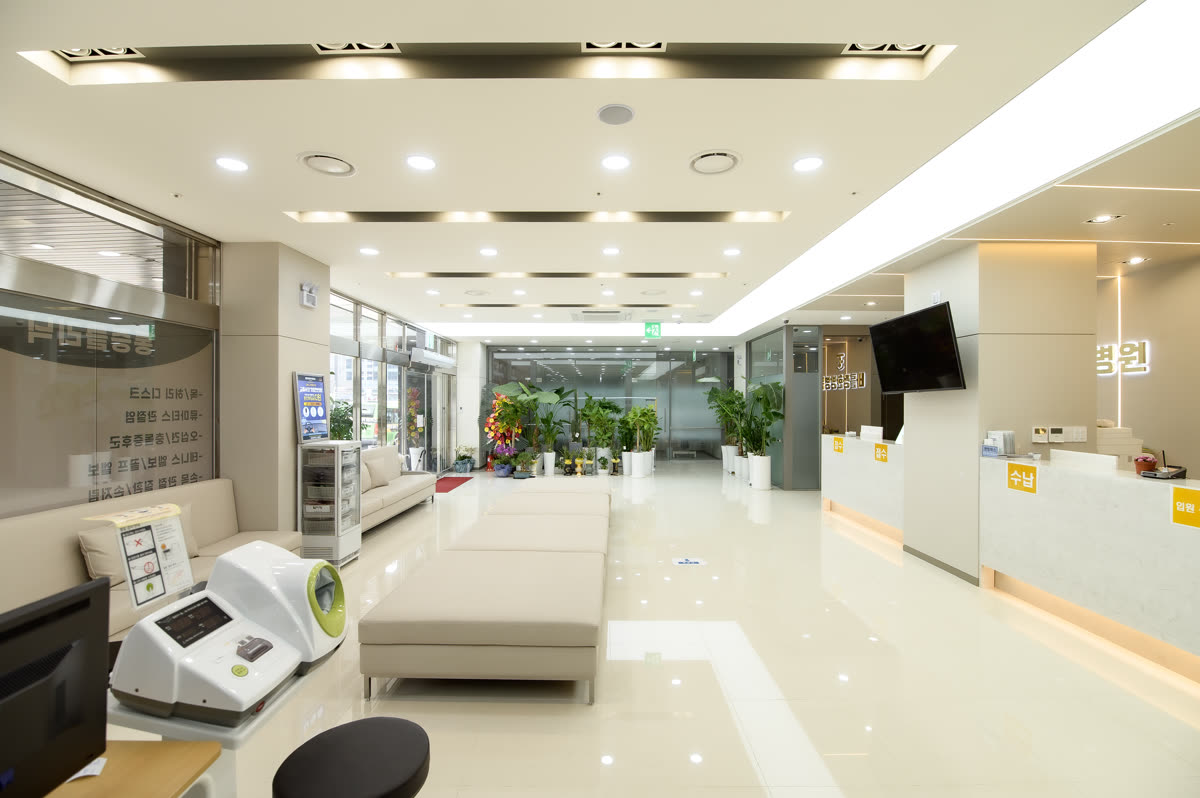
Occasional eyelid twitching is commonly linked to fatigue, stress and lack of sleep, but if the same side of your eyelid, cheek or mouth twitches repeatedly for weeks, or comes with a drooping face, incomplete eye closure or stabbing pain, see a doctor. Facial spasm can only be assessed by a doctor, so record when, how long and how often episodes happen before your visit. Barrrjung Korean Medicine Hospital in Seoul lists facial spasm among its treatment areas.
Short answer: log your symptoms first, then let a doctor decide
Eyelid or mouth twitching cannot be self-diagnosed as facial spasm. The hospital also states that facial spasm must be assessed by a doctor's examination.
What you can do first is write down your episodes: when they happen, how long they last, how many times a day, which side, and in what situations they appear. These notes help the doctor understand your condition faster.
If you are planning to see a doctor in Seoul, Barrrjung Korean Medicine Hospital lists facial spasm among its treatment areas and is located near Sinsadang...
Eyelid twitching vs. half-face spasm: what is common?
The commonly cited explanation is that occasional eyelid twitching that is brief and stops quickly is often linked to everyday states such as fatigue, stress and lack of sleep. Many people recover after a few days of rest.
A different pattern deserves more attention: repeated twitching of the eyelid, cheek or mouth corner on the same side, lasting several weeks, becoming more frequent, or interfering with reading, driving, speaking or social interaction.
The two are hard to tell apart by appearance, so we do not recommend drawing your own conclusion. Whether it is facial spasm, or whether other causes need to be ruled out, is determined by a doctor's examination.
When should you not just wait at home?
If any of the following appear along with the twitching, see a doctor as soon as possible rather than waiting for a convenient schedule.
- One eye does not close fully, the mouth corner droops, water leaks when drinking, or the face is asymmetrical (possibly related to facial nerve paralysis)
- Electric-shock-like pain on one side of the face lasting seconds to minutes, triggered by washing the face, brushing teeth or talking (possibly related to trigeminal neuralgia)
- Sudden facial weakness, slurred speech, severe headache, or any other symptom that feels wrong to you
If facial weakness or slurred speech comes on suddenly, go to the nearest emergency room first and do not wait for an appointment.
For facial nerve paralysis, the hospital explains that treatment in the early stage of onset greatly affects the outcome, so early consultation is recommended; speed and degree of recovery vary from person to person.
What to record before your visit: 8 items
It does not need to be perfect. Keeping notes on your phone for 1–2 weeks is very helpful. We suggest recording these 8 items:
- Date and time of each episode: e.g. 11/3 at 3 p.m., 10 p.m.
- Which side and which area: left or right; eyelid, cheek, mouth corner, and whether it spreads from one area to another
- How long it lasts: a few seconds, a few minutes, or on and off over a long period
- How many times a day: a rough count is fine
- Triggers: late nights, stress, long screen time, talking, smiling, chewing, nervousness, etc.
- During sleep: whether twitching continues while asleep or just after waking (record honestly whether it happens)
- Accompanying symptoms: pain, stabbing sensation, weakness, incomplete eye closure, crooked mouth, tearing, tinnitus, etc.
- First onset and changes: when it first happened, and whether it has increased, decreased or stayed the same
Example entry: "11/3 Mon 15:00, right eyelid, about 20 seconds, appeared after a meeting, slept 5 hours the night before, no pain." One line is enough.
We also suggest recording a short video of an episode on your phone. If nothing happens during your appointment, the video lets the doctor see what actually occurs.
How does Barrrjung Korean Medicine Hospital handle these symptoms?
Barrrjung Korean Medicine Hospital focuses on facial nerve and muscle conditions such as facial nerve paralysis (Bell's palsy-type facial droop), facial spasm, trigeminal neuralgia and facial asymmetry. Director Jeong In-ho, a Korean medicine doctor, is president of the Korean Facial Society and president of the Facial Palsy Research Association.
The medical team consists of 7 doctors, Korean medicine doctors and Western medicine doctors (obstetrics and gynecology specialists), who work together through combined Korean and Western medicine consultation to identify the cause and design treatment. The hospital says it uses pulse examination, palpation, imaging and ultrasound to confirm the cause.
Please note: in the hospital's materials, facial spasm is listed only as a treatment area, and no specific therapy or price is listed for it. Treatment content, number of sessions and intervals depend on the doctor's examination. Consultation and test fees are also not on the price list, so please confirm before booking.
The visit flow is roughly: at the first visit you have a consultation and tests, then a plan is made once the cause is confirmed; before you return home, the doctor checks your condition and explains precautions and follow-up care.
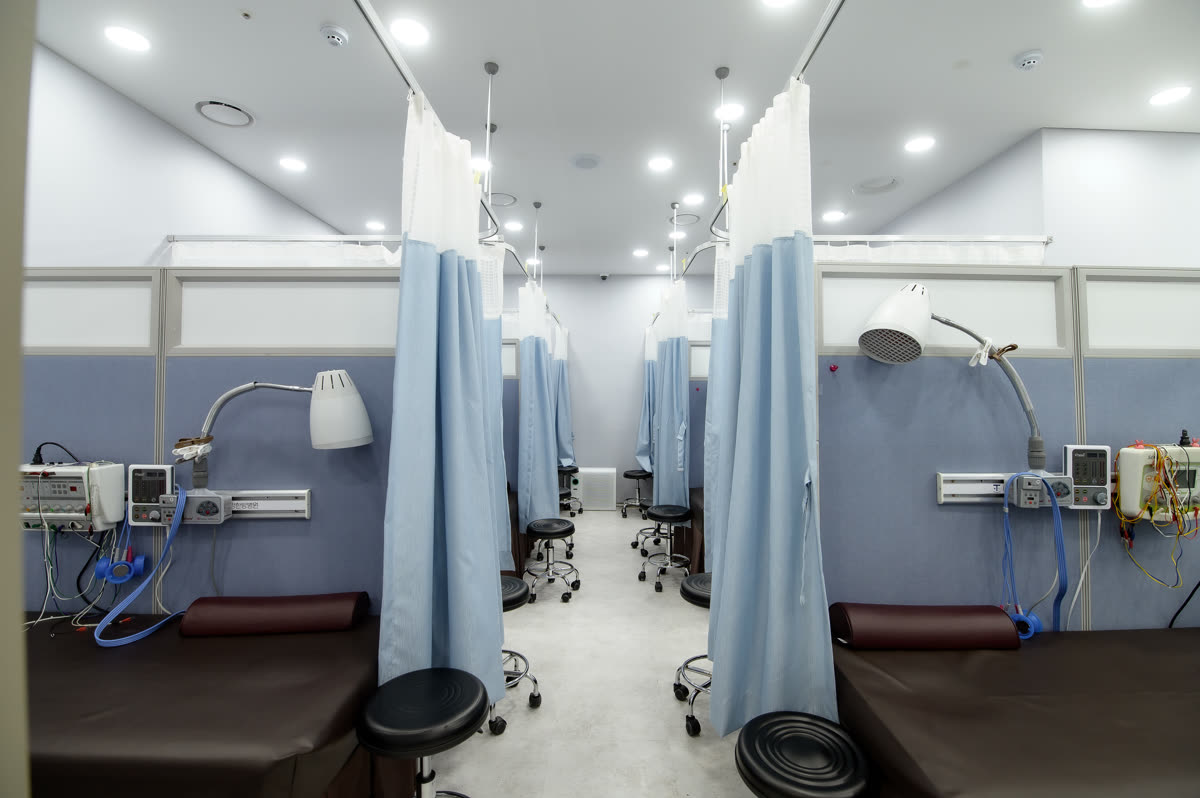
When you go, we suggest bringing the following:
- Medical records from home and imaging such as MRI or CT (disc or files both work)
- The symptom log above and your episode video
- A list of medications you are taking, especially anticoagulants and steroids, which you should be sure to tell the doctor about
Hours and location
Barrrjung Korean Medicine Hospital is near Sinnaebang...
Frequently asked questions
Is constant eyelid twitching a facial spasm?
Not necessarily. Brief, occasional eyelid twitching is commonly linked to fatigue, stress and lack of sleep. If the same side twitches repeatedly for weeks, or spreads to the cheek or mouth corner, have a doctor examine it; whether it is facial spasm is the doctor's call.
What should I record before seeing a doctor for facial spasm?
Record the date and time of each episode, which side and area is affected, how long each lasts and how many times a day it happens. Also note triggers such as late nights, stress, talking or screen time, and any pain, weakness or difficulty closing the eye.
Does Barrrjung Korean Medicine Hospital in Seoul treat facial spasm?
Yes. Facial spasm is listed among the hospital's treatment areas. Korean and Western medicine doctors work together and use consultation, pulse and palpation examination, imaging and ultrasound to identify the cause. The specific treatment depends on the examination results.
Is Barrrjung Korean Medicine Hospital open on weekends?
Yes. It is open Saturdays, Sundays and public holidays from 09:00 to 15:00 with no lunch break. Monday to Friday it is open 09:00–20:00 with a lunch break from 13:00 to 14:00.
Clinics in this article
Sindaebang Station (Line 2)