 K-Clinic
Facial Palsy Treatment Korea: Barrrjung First Visit Guide
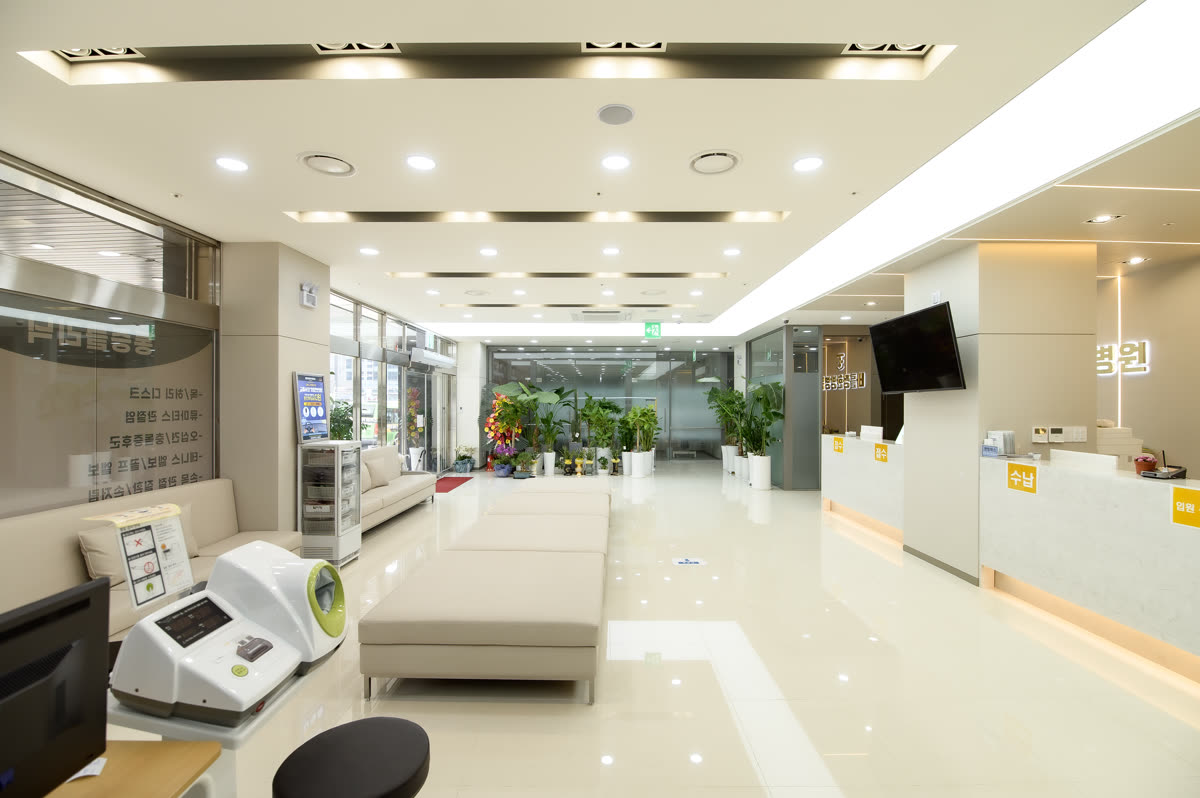
At Barrrjung Korean Medicine Hospital in Seoul, a first visit for facial nerve problems follows five steps: consultation, pulse and palpation, imaging and ultrasound, a peripheral vs. central palsy distinction, then a treatment plan. Doctors combine Korean and Western medicine. Consultation and test fees are not on the price list, so confirm them first via live chat on this website.
Facial Palsy Treatment in Korea: The First-Visit Flow
Barrrjung Korean Medicine Hospital specializes in facial conditions such as facial nerve palsy (crooked mouth and eye), trigeminal neuralgia and facial asymmetry. At a first visit, the hospital works out where the problem comes from before discussing treatment.
According to the hospital, the first-visit order is: consultation, pulse and palpation, imaging and ultrasound tests. Once the cause is confirmed, the doctor determines whether the palsy is peripheral or central, then draws up a treatment plan.
How each test is done, and which ones are needed, depends on the doctor's judgment. This article describes the usual order you will go through, not a guarantee that every patient's visit is identical.
Step 1: Consultation — Explain How It Started
The visit begins with a consultation. The doctor needs to know when the symptoms began and how they have changed, which is the basis for everything that follows.
It helps to prepare the following in advance:
- The date of onset, and whether symptoms have improved, worsened or stayed the same since
- Your main complaints, for example an eye that won't close fully, a drooping mouth corner, leaking when drinking, or facial stabbing pain or twitching
- Medications you are taking, especially anticoagulants and steroids
- Tests and treatments you have already had at home
The hospital explains that treatment in the early stage of facial nerve palsy has a large effect on the outcome, so it recommends being seen as early as possible. Speed and degree of recovery vary from person to person.
Step 2: Pulse and Palpation — Hands-On Assessment
After the consultation come pulse diagnosis and palpation. These are standard examination methods in Korean medicine, in which the doctor assesses the state of your body and facial muscles by hand.
Facial asymmetry can be related to muscles, posture or bite, so palpation is one of the doctor's key reference points. Distinguishing trigeminal neuralgia from toothache or atypical facial pain, and assessing facial spasm, also rely on the doctor's examination.
Step 3: Imaging and Ultrasound — Confirming the Cause
Barrrjung uses a combined Korean and Western medicine approach. The hospital has 7 doctors, including Korean medicine doctors and a Western medicine doctor (an obstetrics and gynecology specialist), who work together to identify the cause and design treatment.
Imaging and ultrasound add objective data at this stage. If you have had an MRI or CT at home, bring the disc or files so the doctor can refer to them.
Test items and fees are not on the price list. Please confirm consultation and test fees first via live chat on this website.
Step 4: Peripheral or Central Palsy?
After the tests, the doctor determines whether the palsy is peripheral or central and then plans treatment. This step sets the direction for everything that follows, which is why the consultation and tests matter so much.
The result and next steps are always based on the doctor's explanation at your examination. If the doctor thinks other care is needed, it will be explained during the visit.
These facial symptoms may be nerve-related:
- Facial nerve palsy (crooked mouth and eye): one eye won't close fully, the mouth corner droops, liquid leaks when drinking, and expressions are uneven
- Trigeminal neuralgia (facial stabbing pain): electric-shock-like pain on one side of the face lasting seconds to minutes, triggered by washing the face, brushing teeth or talking
- Facial asymmetry: face shape or expression differs between left and right, possibly related to muscles, posture or bite
Step 5: Treatment Plan and Prices in ₩
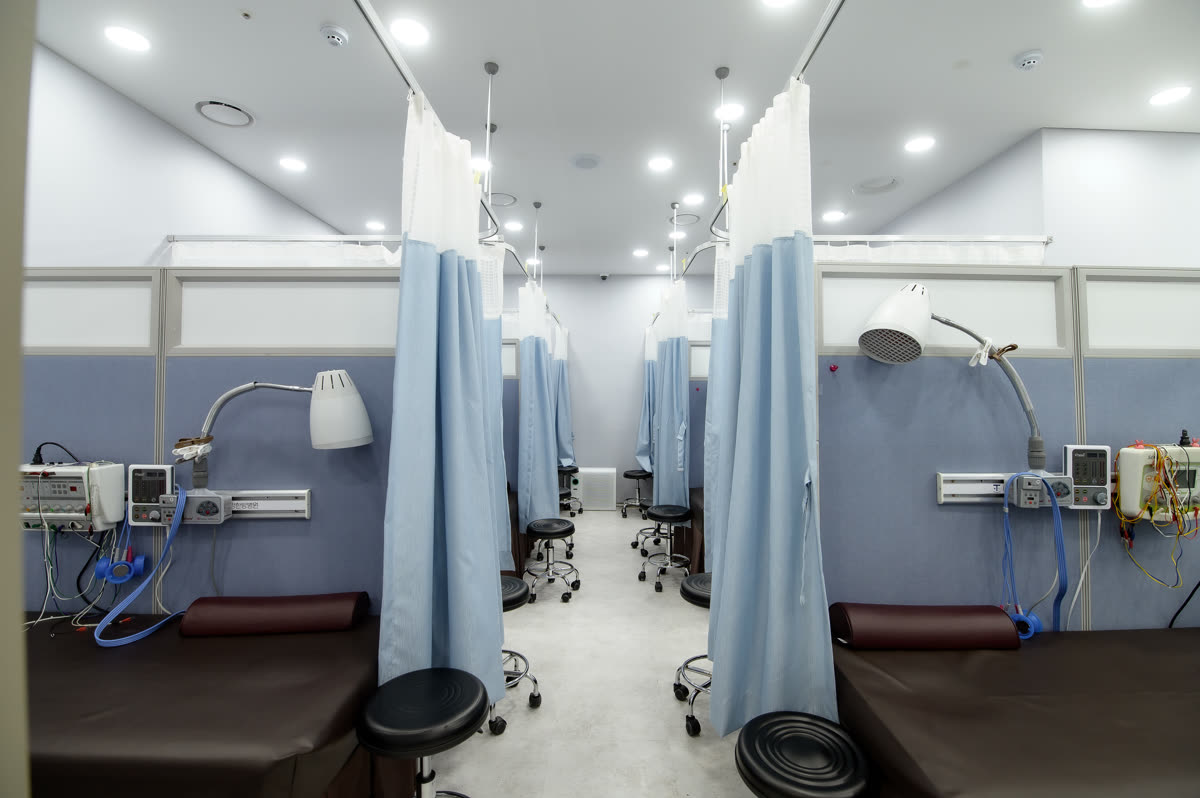
Once the cause is confirmed, the doctor combines treatments according to your condition. The hospital lists Jeongan needle therapy, pharmacopuncture, thread embedding, herbal medicine and neuro-electrical manual therapy.
A Jeongan needle session uses about 150–200 needles and takes about 1 hour. Pain or swelling may occur afterward, and details are explained before treatment.
Non-covered items on the price list (in Korean won, as posted by the hospital; taxes and validity period are not stated):
- Pharmacopuncture (neutral / bamboo salt): ₩10,000–30,000 per injection
- Therapeutic thread embedding (standard): ₩5,000 per thread, minimum 2 threads per session
- Simple massage: ₩27,000 per session (the price list applies this to "more than 20 sessions per year")
- Manual therapy: ₩50,000 per 30-minute session
- Extracorporeal shockwave C (2,000 shots): ₩100,000
- Single-bed superior ward: ₩150,000 per day
These are individual item prices from the list only. The actual items and number of sessions depend on your examination, so the total cannot be calculated before the visit.
Can I Get Treated if I Only Stay a Few Days?
The number of sessions and the interval between them depend on the doctor's examination. Please tell us your onset date and length of stay via live chat on this website so we can check whether your schedule is enough.
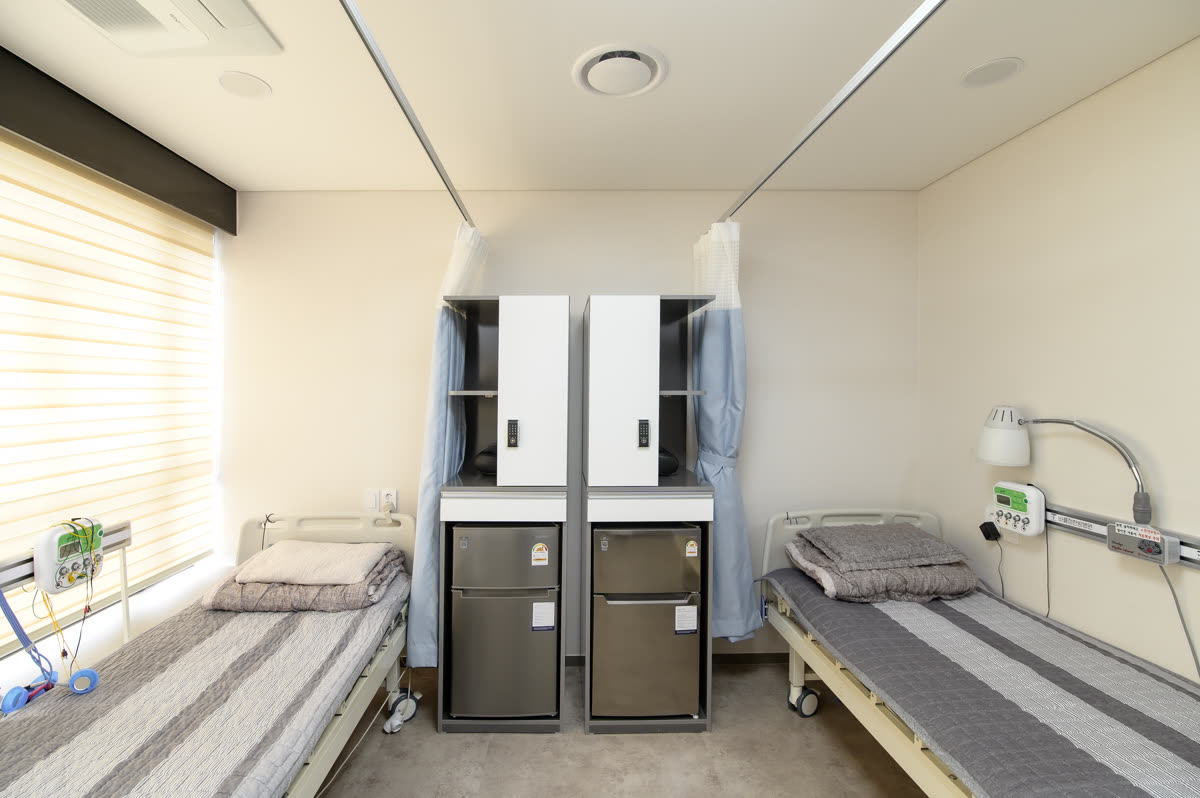
The hospital has 65 inpatient beds, so intensive inpatient treatment can be considered during a short stay. Before you return home, the doctor will review your recovery and explain precautions and follow-up care.
Opening Hours and How to Get There
Barrrjung Korean Medicine Hospital is in Gwanak-gu, Seoul. The nearest station is Sinbongbang-dong area's Sindaebang Station (Line 2).
Address: Samnam Building, floors 1, 7, 8 and 9, 1485 Nambusunhwan-ro, Gwanak-gu, Seoul.
- Monday–Friday: 09:00–20:00 (lunch break 13:00–14:00)
- Saturday, Sunday and public holidays: 09:00–15:00 (no lunch break)
The hospital also sees patients on weekends and public holidays, which helps if your schedule is tight.
Frequently Asked Questions
Q: Do I need an MRI or CT before my visit?
A: The hospital information does not list this as a requirement. If you already have medical records and MRI or CT images from home, bring the disc or files. Whether further tests are needed at the hospital is up to the doctor.
Q: Who is the head doctor?
A: The director is Dr. Jeong In-ho, a Korean medicine doctor. He is president of the Korean Facial Society and of the Facial Palsy Research Society, and author of "Cosmetic Acupuncture and Thread Embedding."
Q: How can I tell trigeminal neuralgia from a toothache?
A: Trigeminal neuralgia is usually a sudden stabbing pain lasting seconds to minutes, with pain-free periods in between. Toothache is usually constant. A doctor's examination is still needed to tell them apart.
Q: Can I ask questions before booking?
A: Yes. You can have a pre-visit consultation through the live chat on this website.
Book Barrrjung Korean Medicine Hospital with K-Clinic
With facial nerve problems, the sooner the cause is confirmed the better. Through K-Clinic, use the live chat or the "Request booking" button on this website for a free consultation, and leave your onset date and length of stay with us to organize.
We will check with the hospital:
- First-visit consultation and test fees, and what to prepare
- Whether your schedule is enough, based on onset date and length of stay
- Whether inpatient care is an option, and ward fees
- Visit dates and time slots that fit your trip (including weekends)
After your booking is confirmed, we will send you the arrival time and address.
Actual treatment depends on the examination results.
Frequently asked questions
What tests are done at a first visit to Barrrjung Korean Medicine Hospital in Korea?
According to the hospital, the first visit includes a consultation, pulse and palpation, and imaging and ultrasound tests. Once the cause is identified, a treatment plan is drawn up. The exact tests depend on the doctor's judgment.
What is the difference between peripheral and central facial palsy?
After the examination, the hospital determines whether the facial palsy is peripheral or central, then designs treatment accordingly. How it is classified and what the result means is explained by the doctor during your examination.
What should I bring to my first facial nerve appointment in Korea?
Bring your medical records from home and any MRI or CT images (disc or files). Also tell the doctor the date symptoms began, how they have changed, and any medications you take, especially anticoagulants and steroids.
Can I see a facial palsy doctor at Barrrjung on weekends?
Yes. Barrrjung is open Saturdays, Sundays and public holidays from 09:00 to 15:00 with no lunch break. On weekdays it is open 09:00–20:00, with a lunch break from 13:00 to 14:00.
Clinics in this article
Sindaebang Station (Line 2)