 K-Clinic
Korean Oriental Medicine Hospital Inquiry: Barrrjung Template
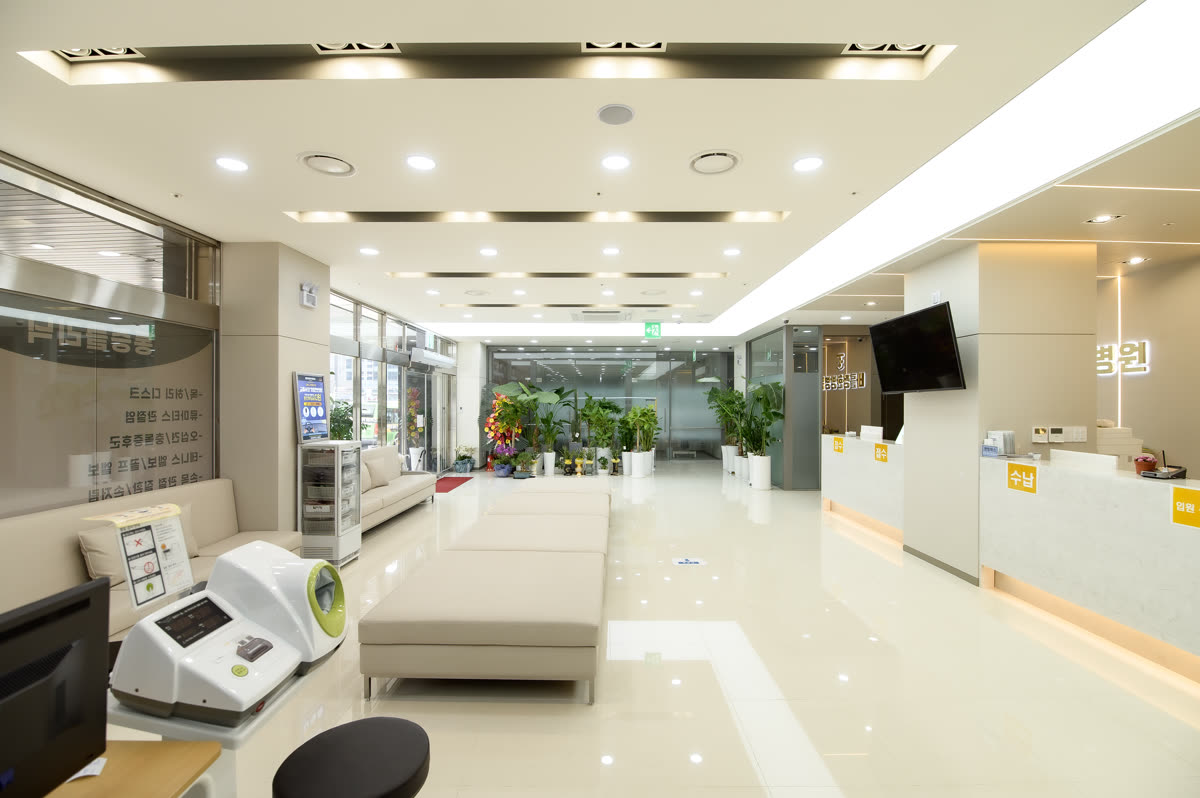
To inquire at Barrrjung Korean Medicine Hospital in Seoul, put four things in one message: your onset date and how symptoms have changed, how many days you will stay in Korea, your MRI/CT files and medical records from home, and the medications you take (especially anticoagulants and steroids). Treatment sessions and intervals are decided by the doctor after examination.
What should I include in my first inquiry?
When you first contact Barrrjung Korean Medicine Hospital, write your onset date, days in Korea, imaging and medications in a single message so the hospital has enough information to reply.
These four items match the hospital's own preparation list: tell them your onset date and symptom changes, bring your medical records and MRI/CT images from home, and report any medications you are taking. Your length of stay determines whether your schedule is long enough, and the hospital also notes that you can ask about inpatient admission.
A copy-ready template is below. Read the template first, then see why each item matters.
Copy-ready inquiry template
Replace the items in brackets with your own details and paste it into the chat on this website, or send it with the "Request booking" button:
- Hospital: Barrrjung Korean Medicine Hospital
- Symptoms: (e.g., left corner of mouth drooping, cannot close eye fully / electric-shock-like facial pain / facial asymmetry)
- Onset date: (month/day)
- Symptom changes: (worsening, stable or improving since onset? Any new symptoms?)
- Planned stay in Korea: (start date – end date, total days)
- Medical records from home: (yes / no; departments visited, diagnosis)
- Imaging: (MRI / CT / none; disc or digital files)
- Current medications: (drug names; any anticoagulants or steroids)
- Please confirm: whether my length of stay is enough, available dates and time slots, and whether I should consider inpatient admission
If you are unsure about a field, just write "not sure." You do not need to wait until you have everything before asking.
Item 1: Onset date and symptom changes
The hospital explains that treatment in the early stage of facial palsy strongly affects the outcome, and recommends visiting as early as possible. So give a specific onset date, down to the month and day.
Also describe how symptoms have changed: whether they are getting more noticeable each day, improving, or whether new symptoms have appeared. Speed and degree of recovery vary by person, and the actual assessment is made by the doctor after examination.
You can describe your symptoms using the common presentations the hospital lists:
- Facial palsy (facial paralysis): one eye cannot close fully, the corner of the mouth droops, water leaks when drinking, asymmetrical expression
- Trigeminal neuralgia: electric-shock-like pain on one side of the face lasting seconds to minutes, triggered by washing the face, brushing teeth or talking
- Facial asymmetry: uneven face shape or expression between left and right, which may be related to muscles, posture or bite
Distinguishing trigeminal neuralgia from toothache or atypical facial pain, and assessing hemifacial spasm, must be done by the doctor at examination. You only need to describe the type of pain and how long it lasts.
Item 2: How many days do I need to stay in Korea?
Always state your length of stay. The hospital explains that the number of treatments and the intervals between them are decided by the doctor after examination, so you need to give your stay length first to confirm that your schedule is enough.
The process is roughly as follows: at the first visit you have an interview, pulse and palpation diagnosis, and imaging and ultrasound tests; once the cause is identified, a treatment plan is drawn up. During treatment, acupuncture, pharmacopuncture, thread embedding, herbal medicine and manual therapy are given according to the plan. Before you return home, the doctor checks your recovery and explains precautions and the direction of follow-up care.
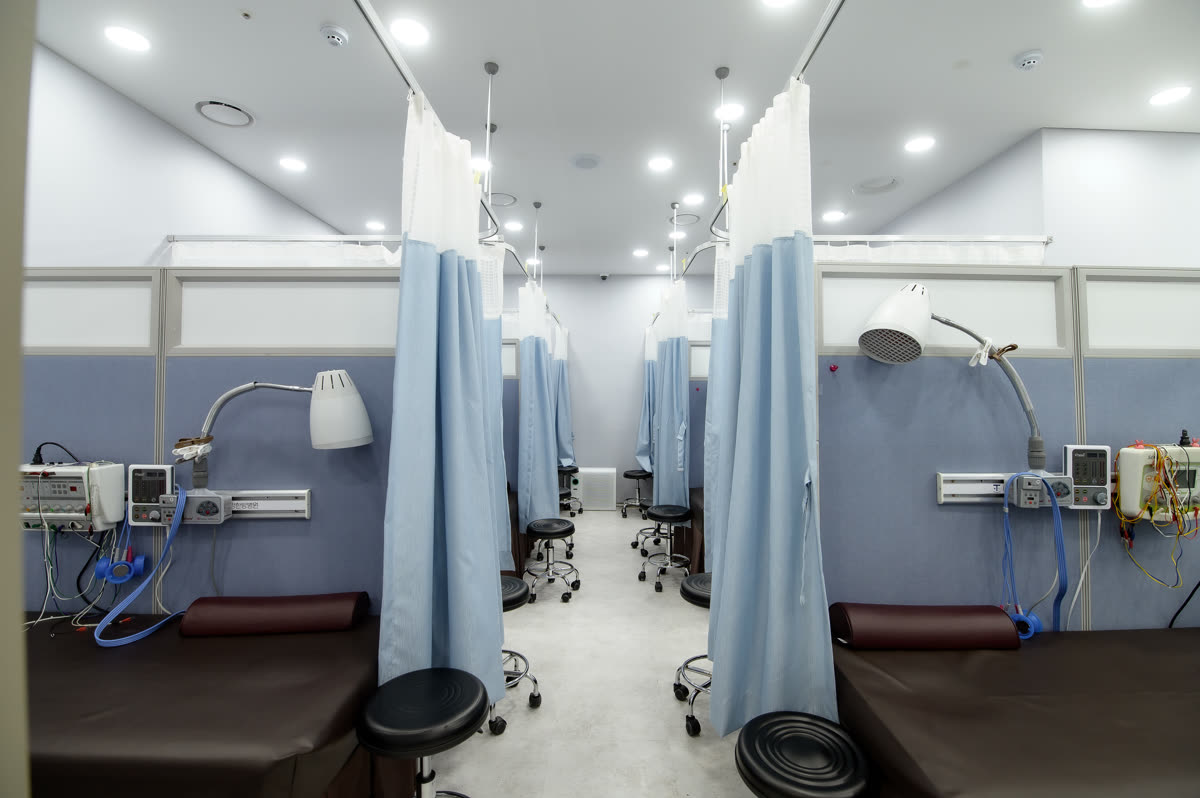
You can also ask about admission if your stay is short. The hospital has a 65-bed inpatient ward, so intensive treatment as an inpatient is possible when needed. A single superior room costs ₩150,000 per day, and a meal for an accompanying family member is ₩5,500 per meal. The price list does not state tax or validity period, so please confirm details during your consultation.
Item 3: Medical records and MRI/CT from home
The hospital asks you to bring your medical records and imaging such as MRI and CT, either on a disc or as digital files. These help the doctor quickly understand which tests and treatments you have already had.
In your first message, simply say whether you have them:
- Diagnosis name or the doctor's explanation (a photo or a written note is fine)
- Imaging done: MRI, CT, and approximate dates
- Whether the images are on a disc or in digital files
How to send images and which formats are needed will be confirmed with the hospital by K-Clinic, so you don't have to guess.
The hospital uses a combined Korean medicine and Western medicine approach: it identifies the cause through pulse and palpation diagnosis, imaging and ultrasound, distinguishes peripheral from central palsy, and then plans treatment. Imaging from home gives the doctor more to work with.
Item 4: Which medications should I report?
The hospital specifically asks you to report the medications you are taking, especially anticoagulants and steroids. Because treatment includes acupuncture, pharmacopuncture and thread embedding, your medication affects the doctor's judgment.
In the template, please include:
- Drug names (a photo of the pill pack or box is fine)
- Whether any are anticoagulants or steroids
- When you started taking them and the current dose
Do not stop or reduce any medication on your own; any adjustment is left to the judgment of your original doctor and the doctor in Korea. If you plan to use herbal medicine (decoctions or pills), telling the hospital about your medication in advance is even more important.
How much does treatment cost at Barrrjung Korean Medicine Hospital?
Treatments include Jeongan acupuncture, pharmacopuncture, thread embedding, herbal medicine and neuro-electric manual therapy, combined by the doctor according to your condition. A Jeongan acupuncture session uses about 150–200 needles and takes about 1 hour; pain or swelling may occur after needling, and details are explained before treatment.
Some of the non-covered item prices announced by the hospital are as follows (tax and validity period are not stated on the list):
- Pharmacopuncture: ₩10,000–30,000 per vial
- Therapeutic thread embedding (standard): ₩5,000 per thread, minimum 2 threads per session
- Simple massage: ₩27,000 per session (complex massage ₩45,000). The price list marks this as applying "when over 20 sessions per year"
- Manual therapy: ₩50,000 per 30-minute session
- Herbal decoction: ₩300,000–1,000,000 for a 15–20 day supply
For items not on the list, such as the consultation, tests and basic acupuncture, please ask through the chat on this website first. Actual treatment and number of sessions depend on the examination result, and these amounts are single-item prices, not a total cost.
Opening hours and how to get there
Barrrjung Korean Medicine Hospital is in Gwanak-gu, Seoul, and the nearest station is Sindaebang Station (Line 2). The address is 1485 Nambusunhwan-ro, Gwanak-gu, Seoul, Samnam Building floors 1, 7, 8 and 9 (서울 관악구 남부순환로 1485 삼남빌딩 1, 7, 8, 9층).
Opening hours:
- Monday–Friday: 09:00–20:00 (lunch break 13:00–14:00)
- Saturday, Sunday and public holidays: 09:00–15:00 (no lunch break)
The hospital is also open on weekend and holiday mornings, so if the day you arrive in Korea or the day after is a holiday, we can check whether you can still book.
Frequently asked questions from international patients
Q: Can I inquire before I have my imaging files?
A: Yes. Write "imaging in progress" in the template and fill in the other three items as usual. We will then confirm with the hospital which materials are needed.
Q: I will only be in Korea for a few days. Is it worth going?
A: The number of treatments and the intervals are decided by the doctor after examination. Please tell us your onset date and length of stay first so we can confirm whether your schedule is enough; you can also ask about admission.
Q: Which doctors work at the hospital?
A: The representative director, Jeong In-ho (정인호), is a Korean medicine doctor and president of the Korean Academy of Facial Studies. The hospital has 7 doctors in total, Korean medicine doctors and a Western medicine doctor (obstetrics and gynecology specialist), and they see patients through combined Korean and Western medicine consultation.
Q: Can I make the inquiry in English?
A: Yes. Booking and pre-visit consultation can be arranged through the chat on this website or the "Request booking" button.
How do I book Barrrjung Korean Medicine Hospital through K-Clinic?
Paste the template above into the live chat or send it with the "Request booking" button, and K-Clinic will give you a free consultation and organise your details into a form the hospital can use.
We confirm the following with the hospital for you:
- Whether your schedule is enough, based on your onset date and length of stay
- How to submit your medical records and MRI/CT from home
- Whether the medications you take (anticoagulants, steroids, etc.) need special explanation
- The consultation fee, plus available dates, time slots and the possibility of admission
Once your booking is complete, we will tell you your arrival time and the address.
Actual treatment depends on the examination result.
Frequently asked questions
What should I include when inquiring at a Korean medicine hospital for the first time?
Include four things: your onset date and symptom changes, the number of days you will stay in Korea, whether you have medical records and MRI/CT images from home, and the medications you take (especially anticoagulants and steroids). These are also what Barrrjung Korean Medicine Hospital asks patients to prepare in advance.
Why do I need to give the onset date for facial palsy treatment in Korea?
The hospital explains that treatment in the early stage after facial palsy onset strongly affects the outcome, so it recommends visiting as early as possible. Your onset date and symptom changes help the hospital plan your care; speed and degree of recovery vary from person to person.
How do I send MRI and CT images to Barrrjung Korean Medicine Hospital?
The hospital recommends bringing a disc or digital files. In your inquiry, tell us which images you have and in what file format, and K-Clinic will confirm with the hospital how to submit them.
Is Barrrjung Korean Medicine Hospital in Seoul open on weekends?
Yes. It is open 09:00–15:00 on Saturdays, Sundays and public holidays, with no lunch break. Monday to Friday hours are 09:00–20:00, with a lunch break from 13:00 to 14:00.
Clinics in this article
Sindaebang Station (Line 2)