 K-Clinic
Facial Palsy Treatment Korea: Barrrjung Hospital Guide 2026
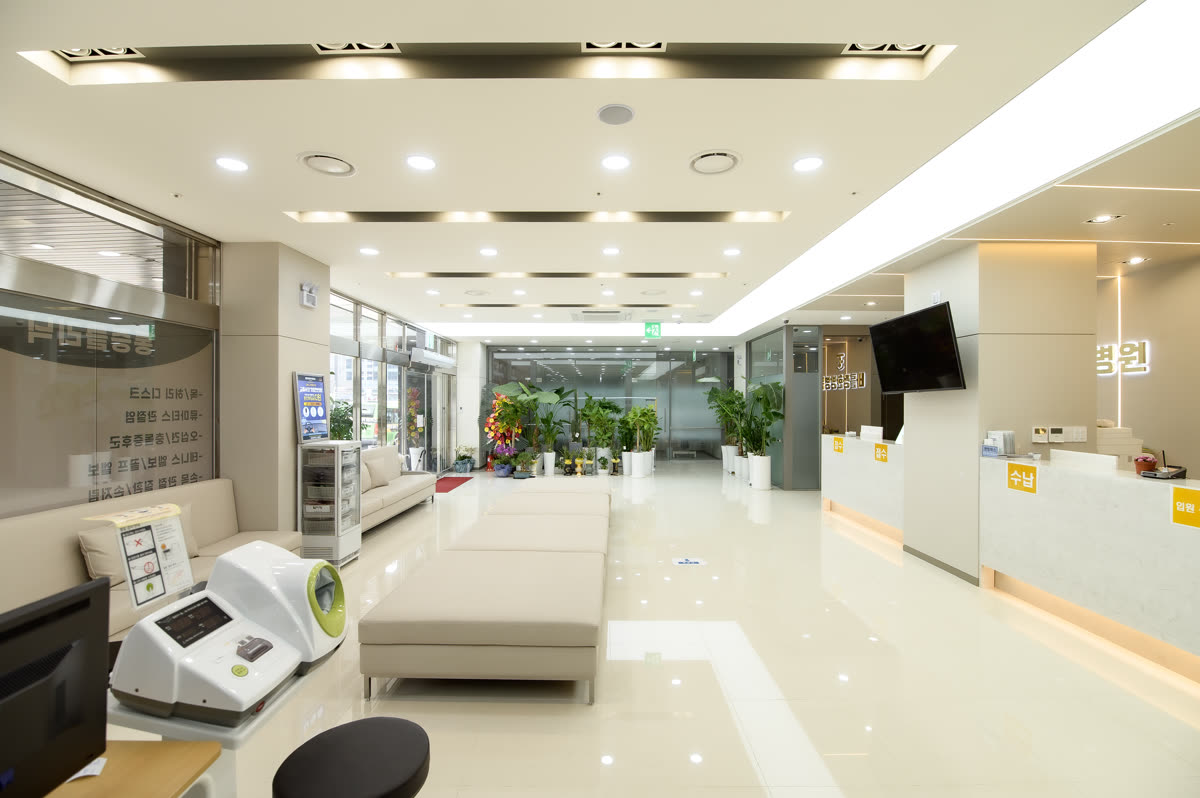
Before taking a parent with facial palsy to Barrrjung Korean Medicine Hospital in Seoul, prepare three things: a list of current medications (especially anticoagulants and steroids), your home-country medical records with MRI/CT images on disc or file, and the onset date with symptom changes. The hospital has 65 inpatient beds; a superior single room costs ₩150,000 per day (tax not stated).
Facial palsy treatment in Korea: three things to prepare first
If you are taking a parent to Barrrjung Korean Medicine Hospital, first prepare a medication list, your home-country imaging records and an onset timeline, then decide between inpatient stay and commuting.
The hospital is very clear about what to bring: medical records and MRI/CT images from your home country on disc or as files, the onset date and symptom changes, and the medications currently being taken (especially anticoagulants and steroids).
The parent is the patient, but adult children usually gather these items. Start preparing a week before departure and the visit will go much more smoothly.
Sudden onset: get treated at home first
Facial drooping can come from a peripheral nerve problem or from the central nervous system (the brain). The hospital's approach is to use pulse diagnosis, palpation, imaging and ultrasound, and to distinguish peripheral from central palsy before planning treatment.
If your parent has just had a sudden onset, with weakness in the limbs, slurred speech or other acute symptoms, get treated in your home country first rather than arranging overseas travel. This is a general safety reminder; follow the advice of your doctor at home.
The hospital also explains that treatment in the early stage of onset has a large effect on prognosis and recommends visiting as early as possible. Speed and degree of recovery vary from person to person.
Anticoagulants and steroids: tell the doctor first
The hospital's checklist singles out anticoagulants and steroids. Older adults often take medication for chronic conditions, so put together one list:
- Drug names (a photo of the pill bag or box is clearest)
- Dose and daily timing
- When each drug was started and who prescribed it
- Any recently added or stopped drugs
The list helps the doctor understand the overall picture and plan treatment accordingly. Whether anything needs to be adjusted is the doctor's decision. Do not stop any medication on your own, and do not skip mentioning it to avoid hassle.
If your parent also takes supplements or herbal medicine, write those down too.
MRI/CT images and medical records: bring a disc or files
The hospital asks for medical records and MRI/CT images from your home country, on disc or as files. Imaging is key information for the doctor to determine the cause, and the hospital also performs imaging and ultrasound on site.
We suggest:
- Request an imaging disc from your home hospital and ask them to copy it to a USB drive as well
- Get medical records or a diagnosis letter, ideally in English, and check the accepted format with the hospital
- Note the onset date and symptom changes on your phone (for example, whether the eye closes tightly, or whether water leaks when drinking)
Imaging discs usually take a few days to process, so do not leave it until the day before departure.
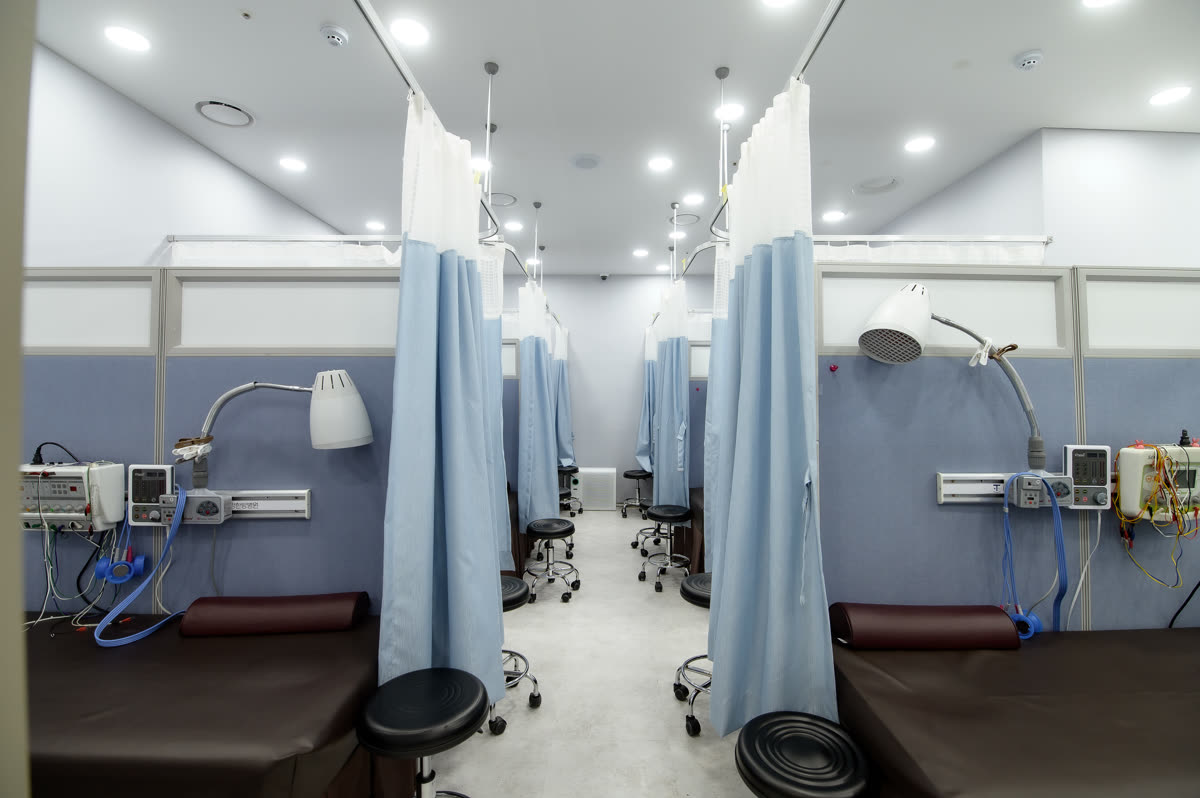
Inpatient stay or commuting? The 65-bed ward
Barrrjung has a 65-bed ward for intensive inpatient treatment. For visitors staying a short time, hospitalization is one option.
The price list shows a superior single room at ₩150,000 per day, and a meal for an accompanying family member at ₩5,500 per meal. Tax and validity period are not stated, so check other room types and fees first. As an example, 7 days adds up to ₩1,050,000 (room fee only, excluding treatment and examinations).
Each option has pros and cons:
- Inpatient: your parent does not need to travel every day, treatment and rest happen in one place, and the family has more peace of mind.
- Commuting: you book your own accommodation, so cost and environment are more flexible, but you travel back and forth every day.
Whether to be hospitalized and for how many days depends on your parent's stamina and the doctor's judgment. Before departure, tell us the onset date and length of stay through the Request booking button or live chat so we can check whether the schedule is enough.
Treatment and cost: what the price list shows
The hospital combines Jeong-an acupuncture, pharmacopuncture, thread-embedding acupuncture, herbal medicine and neuro-electric manual therapy depending on the condition. One Jeong-an acupuncture session uses about 150–200 needles and takes about 1 hour; pain or swelling may occur after needling, and details are explained before treatment.
The hospital's published non-covered prices are as follows. The list does not state tax (VAT) or validity period.
- Pharmacopuncture (neutral, bamboo salt): ₩10,000–30,000 per vial
- Therapeutic thread-embedding (standard): ₩5,000 per thread, minimum 2 threads per session
- Herbal decoction (packs): ₩300,000–1,000,000 for a 15–20 day supply
- Simple manual therapy (Chuna): ₩27,000 per session (the list marks this price as applying "when over 20 sessions per year")
For items not shown on the list, such as consultation, examinations and basic acupuncture, please confirm first through K-Clinic's live chat or the Request booking button. Actual treatment content and number of sessions depend on the examination results.
Opening hours and location
Barrrjung Korean Medicine Hospital is in Gwanak-gu, Seoul, and the nearest station is Sindaebang Station (Line 2). The address is 1485 Nambusunhwan-ro, Gwanak-gu, Seoul, Samnam Building, floors 1, 7, 8 and 9.
Opening hours:
- Monday–Friday 09:00–20:00 (lunch break 13:00–14:00)
- Saturday, Sunday and public holidays 09:00–15:00 (no lunch break)
When bringing an elderly parent, weekend and holiday hours are convenient for the family members accompanying them.
Common questions from international visitors
Q: Can we be treated if we only stay a few days?
A: The number of sessions and intervals are decided by the doctor after examination. Tell us the onset date and your length of stay first so we can check whether the schedule is enough.
Q: Who are the doctors?
A: The head director is Dr. Jeong In-ho, President of the Korean Society of Facial Medicine and of the Facial Palsy Research Society. The hospital has 7 Korean medicine and Western medicine doctors who work together to confirm the cause.
Q: Will there be an explanation before we go home?
A: Yes. Before you return, the doctor checks your recovery and explains precautions and the direction of follow-up care after you get home.
Q: Can an accompanying family member eat at the hospital?
A: The price list includes a meal for an accompanying family member at ₩5,500 per meal (please confirm the details that apply during inpatient stays at your consultation).
Book Barrrjung Korean Medicine Hospital through K-Clinic
When an elderly parent travels far, a clear plan brings peace of mind. Through K-Clinic, you can ask your questions on medication, imaging and inpatient stay through a free consultation, using the Request booking button or the live chat.
We can check with the hospital for you:
- Whether your onset date and length of stay make the schedule sufficient
- How to report medications such as anticoagulants and steroids
- The format needed for your home-country imaging and medical records
- Inpatient or commuting options, and fees not on the list such as consultation and examinations
Once your booking is complete, we will tell you your arrival time and the address.
Actual treatment depends on examination results.
Frequently asked questions
What should I prepare before taking my elderly parent to Korea for facial palsy treatment?
Barrrjung Korean Medicine Hospital asks for three things: medical records and MRI/CT images from your home country (on disc or as files), the onset date and how symptoms have changed, and a list of current medications, especially anticoagulants and steroids.
Do I need to tell the doctor about anticoagulants or steroids before facial palsy treatment in Korea?
Yes. The hospital explicitly asks patients to report these two types of medication, including drug name, dose and the time taken. Whether treatment is adjusted is decided by the doctor.
How much does inpatient care cost at Barrrjung Korean Medicine Hospital in Seoul?
The price list shows a superior single room at ₩150,000 per day and a meal for an accompanying family member at ₩5,500 per meal. Tax and validity period are not stated on the list, so confirm through K-Clinic's live chat or the Request booking button.
Can I take my parent to Barrrjung Korean Medicine Hospital on weekends?
Yes. The hospital is open 09:00–15:00 on Saturdays, Sundays and public holidays with no lunch break, and 09:00–20:00 Monday to Friday with a lunch break from 13:00 to 14:00.
Clinics in this article
Sindaebang Station (Line 2)