 K-Clinic
Facial Palsy Korea: Peripheral vs Central – Barrrjung Clinic
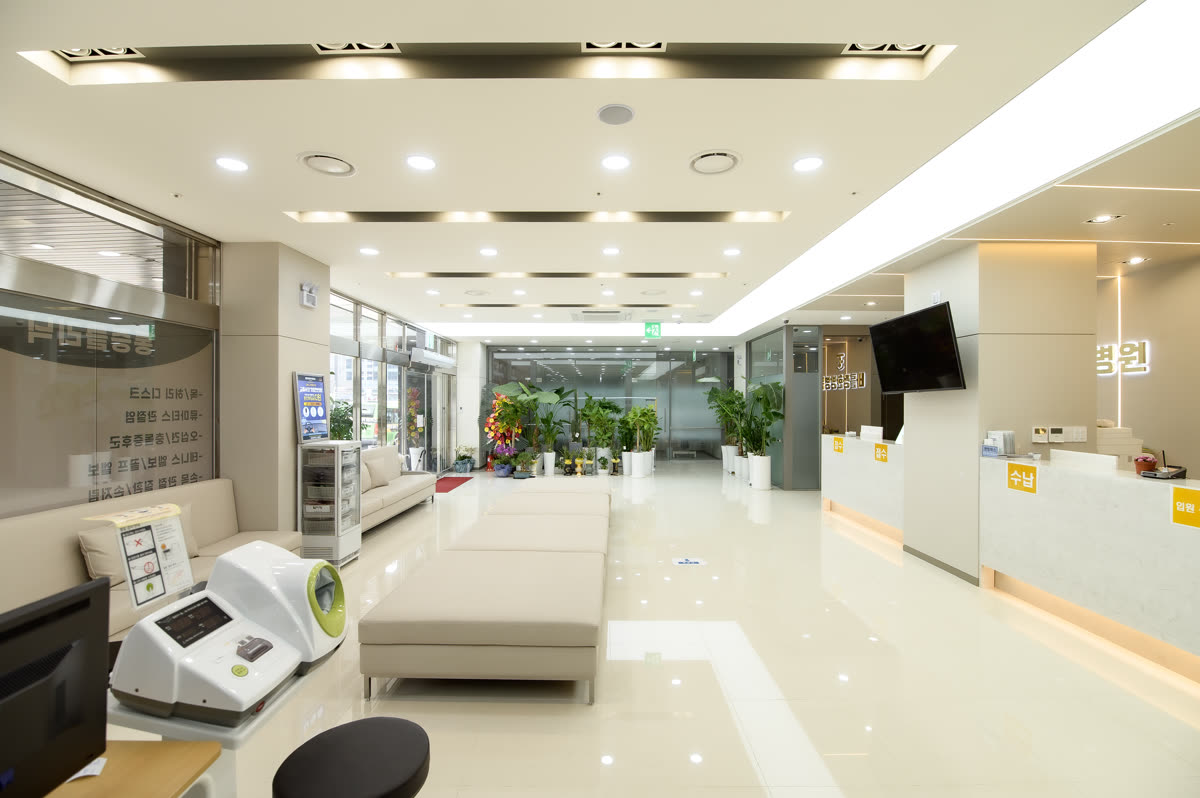
Facial palsy is either peripheral or central, and the cause and treatment approach differ, so the type must be identified before treatment. Barrrjung Korean Medicine Hospital in Seoul combines Korean and Western medicine, using pulse diagnosis, palpation, imaging and ultrasound to tell the two apart before planning treatment. Final judgment rests with the doctor's examination.
Peripheral or central facial palsy: why it must be identified first
A crooked face, one eye that won't close fully, a drooping mouth corner, drinking water that leaks out: these are common signs of facial palsy. But similar appearance does not mean the same cause.
Barrrjung Korean Medicine Hospital's approach is to confirm the cause first, then plan treatment. The hospital combines Korean and Western medicine, using pulse diagnosis, palpation, imaging and ultrasound to distinguish peripheral from central palsy.
The explanations below are general concepts; individual cases are always decided by the doctor.
What is the difference between peripheral and central facial palsy?
A commonly given explanation: peripheral palsy means a problem with the facial nerve itself or along its path, while central palsy means the problem lies further upstream in the central nervous system, that is, the brain.
On the face the two can look very similar, with a crooked mouth and eye and asymmetrical expressions. That is why the face alone cannot tell you which it is. A doctor needs to take your history, examine you and, when necessary, use imaging.
It is also why you shouldn't start acupuncture or other treatment just because your face looks crooked. Different causes call for different approaches.
How do Korean and Western doctors work together?
Barrrjung Korean Medicine Hospital has 7 doctors, including Korean medicine doctors and a Western medicine doctor (obstetrics and gynecology specialist), who work together to confirm the cause and design treatment.
Examination methods include:
- Pulse diagnosis: traditional Korean medicine assessment of overall condition
- Palpation: checking the muscles and tissue of the face and neck by hand
- Imaging: to determine whether other causes need to be ruled out
- Ultrasound: to observe the condition of tissue related to the face
The hospital has not published details of which tests are done or how they are interpreted; the doctor will explain during your consultation.
Why are tests done before facial palsy treatment?
The reason is practical: treatment should be designed around the cause. The hospital first distinguishes peripheral from central palsy, then decides the next steps.
Once the cause is confirmed, treatments are combined according to your condition: Jeongan acupuncture (about 150–200 needles, about 1 hour), pharmacopuncture, thread embedding, custom herbal prescriptions and neuromuscular manual therapy.
The hospital explains that treatment in the early stage after onset has a large effect on prognosis, so it recommends seeing a doctor as early as possible. Speed and degree of recovery vary by person, and results are not guaranteed.
Facial palsy treatment prices in Seoul
The price list is the hospital's published non-covered (out-of-pocket) pricing, with no tax (VAT) or validity period indicated. Only some items are listed here:
- Pharmacopuncture (neutral · bamboo salt): ₩10,000–₩30,000 per vial
- Therapeutic thread embedding (standard): ₩5,000 per thread, minimum 2 threads per session
- SONO thread embedding: ₩100,000 per session
- Herbal decoction (15–20 days' supply): ₩300,000–₩1,000,000
- Manual therapy: ₩50,000 per 30-minute session
For fees not on the list, such as consultation, tests and basic acupuncture, please ask through the K-Clinic live chat or the "Request booking" button. Actual treatment and number of sessions depend on the examination result.
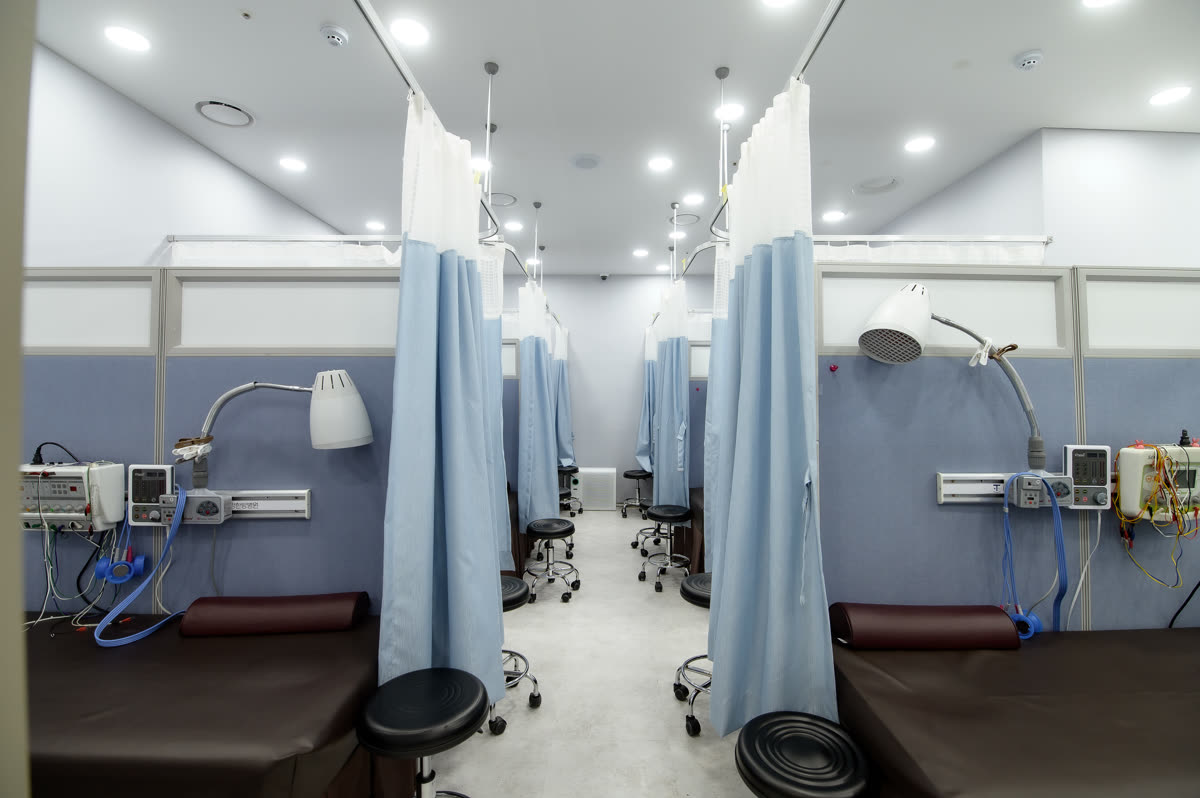
Short stay in Seoul? Consider inpatient care
The hospital has 65 inpatient beds, so inpatient stays can be considered for intensive treatment during a short trip. A superior single room costs ₩150,000 per day, and a meal for an accompanying family member is ₩5,500 per meal (also with no tax indicated).
A typical schedule: at the first visit you have a consultation, pulse diagnosis, palpation, and imaging and ultrasound; once the cause is confirmed a plan is made; treatment follows the plan; and before you go home the doctor checks your recovery and explains what to watch for afterwards.
Number of sessions and intervals are decided by the doctor, so please tell them your onset date and length of stay in advance.
Opening hours and how to get there
The hospital is in Gwanak-gu, Seoul, and the nearest station is Sindaebang Station (Line 2). The address is Samnam Building, floors 1, 7, 8 and 9, 1485 Nambusunhwan-ro, Gwanak-gu, Seoul.
- Monday–Friday: 09:00–20:00 (lunch break 13:00–14:00)
- Saturday, Sunday and public holidays: 09:00–15:00 (no lunch break)
It is open on weekends and public holidays too, which gives visitors with a tight schedule more flexibility.
Frequently asked questions from international patients
Q: I already had an MRI or CT at home. Should I bring it?
A: Yes. Bring your medical records and imaging such as MRI or CT, on disc or as files, so the doctor can refer to them.
Q: Do I need to mention the medication I'm taking?
A: Yes. Please tell the doctor about any medication you are taking, especially anticoagulants and steroids.
Q: Does Jeongan acupuncture hurt?
A: A session uses about 150–200 needles and takes about 1 hour. Pain or swelling may occur after needling; details are explained before treatment and depend on the doctor's judgment.
Q: How do I tell trigeminal neuralgia from a toothache?
A: Trigeminal neuralgia is usually a sudden, stabbing pain lasting seconds to minutes, with pain-free periods in between, while a toothache is usually constant. A doctor's examination is still needed to tell them apart.
Book Barrrjung Korean Medicine Hospital with K-Clinic
The cause of a crooked face should be checked first. Through K-Clinic, use the "Request booking" button or the live chat for a free consultation, and explain your onset date and travel schedule before you leave.
We will check with the hospital for you:
- Your onset date and symptoms, and whether a visit is suitable now
- Fees for tests and consultation (items not on the price list)
- Treatment arrangements within your length of stay, and the possibility of inpatient care
- Available dates and time slots
Once your booking is complete, we will tell you your arrival time and the address.
Actual treatment depends on the examination result.
Frequently asked questions
What is the difference between peripheral and central facial palsy?
Both can cause a drooping face and a crooked mouth or eye, but the problem occurs in different locations with different causes, so the treatment approach differs too. A doctor's examination and tests are needed to tell them apart; appearance alone is not enough.
Why does Barrrjung Korean Medicine Hospital do imaging and ultrasound before facial palsy treatment?
The hospital uses a combined Korean and Western medicine approach, confirming the cause through pulse diagnosis, palpation, imaging and ultrasound. It distinguishes peripheral from central palsy first, then plans treatment.
Is Barrrjung Korean Medicine Hospital open on weekends?
Yes. It is open Saturdays, Sundays and public holidays 09:00–15:00 with no lunch break. Monday to Friday it is open 09:00–20:00, with a lunch break from 13:00 to 14:00.
What should I bring to a facial palsy appointment in Seoul?
Bring your medical records from home and imaging such as MRI or CT (on disc or as files). Also tell the doctor your onset date, how symptoms have changed, and any medication you are taking.
Clinics in this article
Sindaebang Station (Line 2)