 K-Clinic
Barrrjung Korean Medicine Hospital Follow-Up Visit: 3 Things to Prepare
Before a second visit to Barrrjung Korean Medicine Hospital in Seoul, prepare three things: a log of how your symptoms have changed since you went home, your medical and imaging records from your home country, and the number of days you can stay. The number and spacing of treatments are decided by the doctor after an examination, so confirm your plan with K-Clinic before booking flights and accommodation.
How Should You Prepare for a Follow-Up Visit? Three Things First
Before a second visit to Barrrjung Korean Medicine Hospital, get three things ready: your recovery log since returning home, your medical and imaging records from home, and the number of days you plan to stay.
The first visit is about "finding the cause and making a plan." The second visit is about "what has changed since last time." The clearer your records, the easier it is for the doctor to see your current condition.
Speed and degree of recovery differ from person to person. This article only covers how to prepare; the actual treatment and number of sessions are decided by the doctor.
Why Bring a Recovery Log to Your Follow-Up?
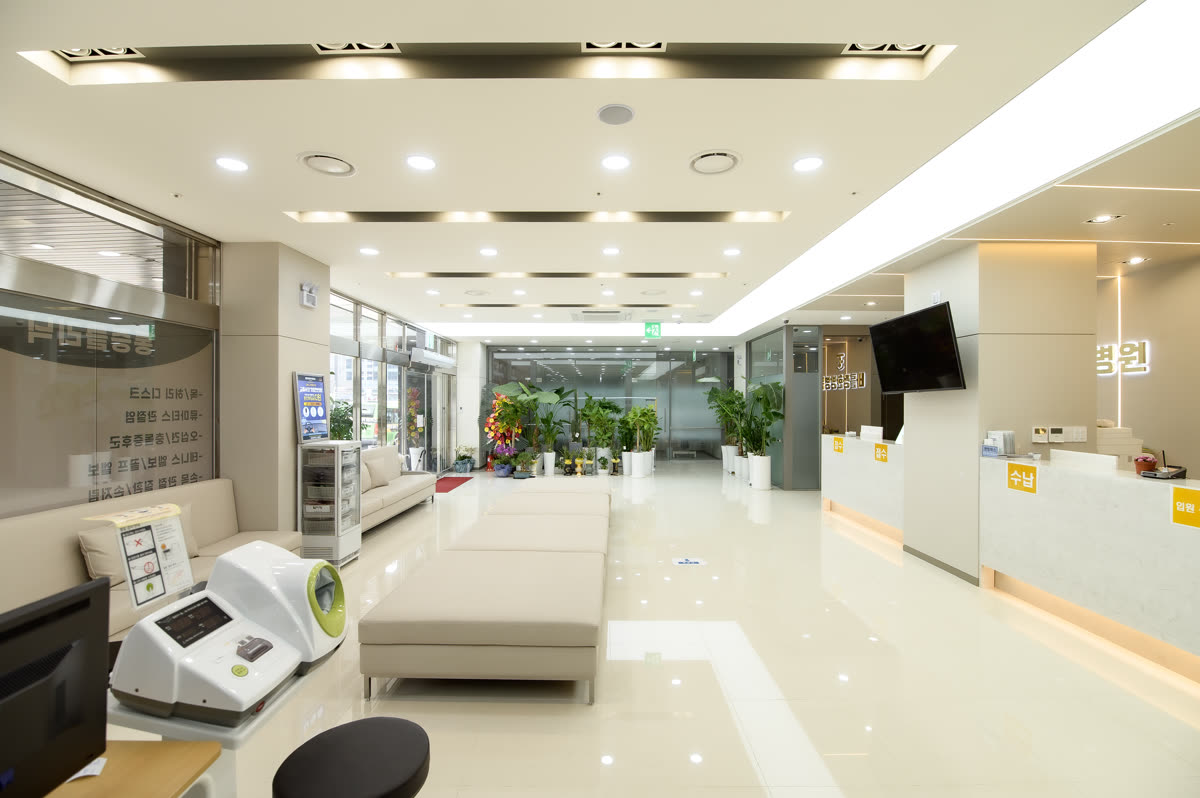
Barrrjung Korean Medicine Hospital in Seoul focuses on facial conditions such as facial nerve palsy (Bell's palsy), hemifacial spasm, trigeminal neuralgia and facial asymmetry. The hospital uses a combined Korean medicine and Western medicine approach to identify the cause, then combines treatments according to the condition.
At a follow-up, the doctor compares "your condition last time" with "your condition now." It is hard to explain from memory alone that you "seem to have improved"; a dated record is much more concrete.
What Should Your Recovery Log Include?
It does not need to be technical. One note a week in your phone's notes app is enough. We suggest recording:
- Date and overall feeling: better than last time, about the same, or worse
- Symptom changes: based on your own symptoms, for example how well you can close your eyes, the corner of your mouth, drinking water and facial expressions; or the frequency of stabbing pain and what triggers it (washing your face, brushing your teeth, talking)
- Front-facing photos: taken with the same lighting and angle at regular intervals, so you can compare before and after
- Impact on daily life: whether eating, speaking, sleep or work are affected
- Anything you did after going home: dates of doctor visits, medication or other treatments
If your symptoms come in episodes (such as sudden stabbing pain), make a special note of when each episode happened, how long it lasted and whether there were pain-free periods. The hospital uses this as a reference when distinguishing types of pain, but the final judgment is made by the doctor after examination.
Which Records and Medications Should You Bring From Home?
The hospital's preparation advice includes the following, and it applies to follow-up visits too:
- Your medical records from home and imaging such as MRI and CT (on disc or as files)
- A description of when your symptoms began and how they have changed
- The medications you are taking, especially anticoagulants and steroids. Please tell the hospital in advance
If you have had new tests since returning home, bring those as well. If you have receipts or explanations of your previous treatment in Korea (acupuncture, pharmacopuncture, thread embedding, herbal medicine and so on), they help the doctor compare.
How Many Days Should You Stay? Ask First, Then Book Flights
The number and spacing of treatments are decided by the doctor after an examination, and the price list and materials give no fixed "number of days needed for a follow-up", so do not decide the length of your stay on your own.
The safer order is:
- First contact K-Clinic with the date your symptoms began, the date of your last treatment, your current condition and the number of days you can stay
- Confirm whether that number of days is enough for the examination and treatment
- Then decide on flights and accommodation
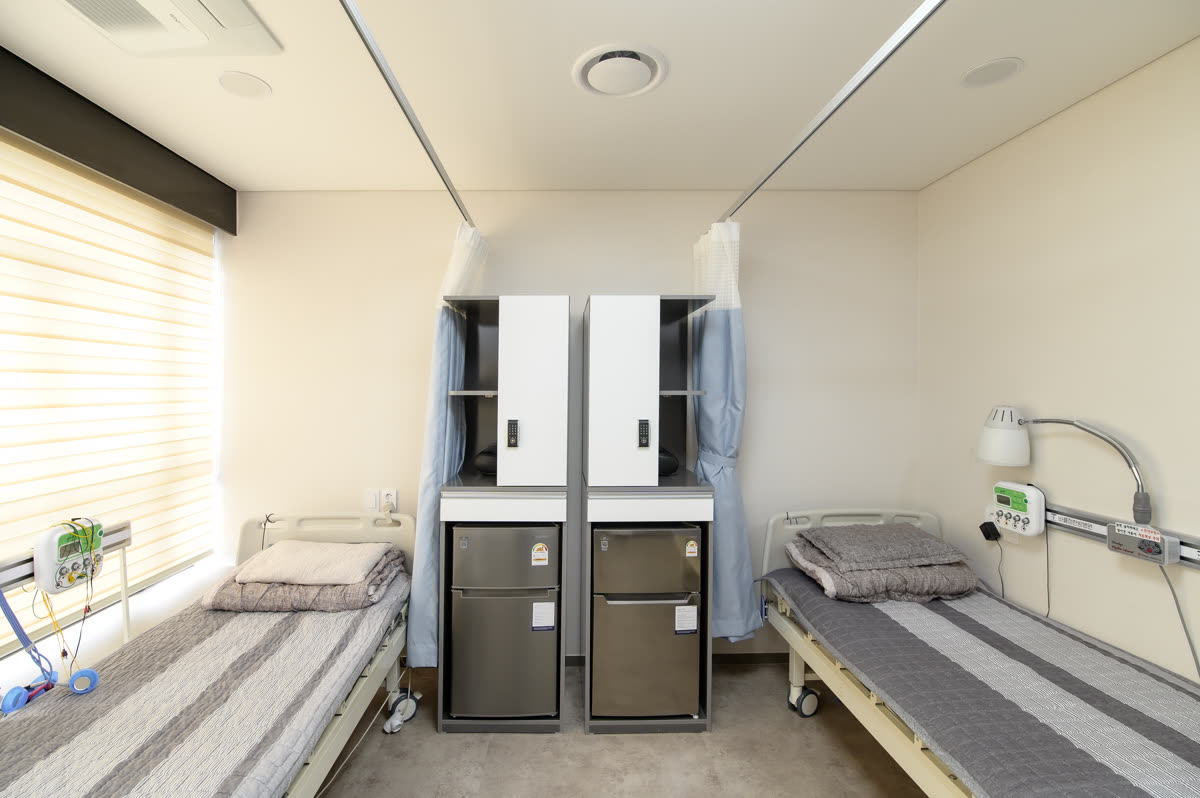
For those who want concentrated treatment, the hospital has a 65-bed inpatient ward. The materials list a single premium room at ₩150,000 per day and a meal for an accompanying family member at ₩5,500 per meal. Tax and the period the prices apply are not shown, and whether inpatient care suits you is decided by the doctor.
What Treatments and Prices Can You Ask About at a Follow-Up?
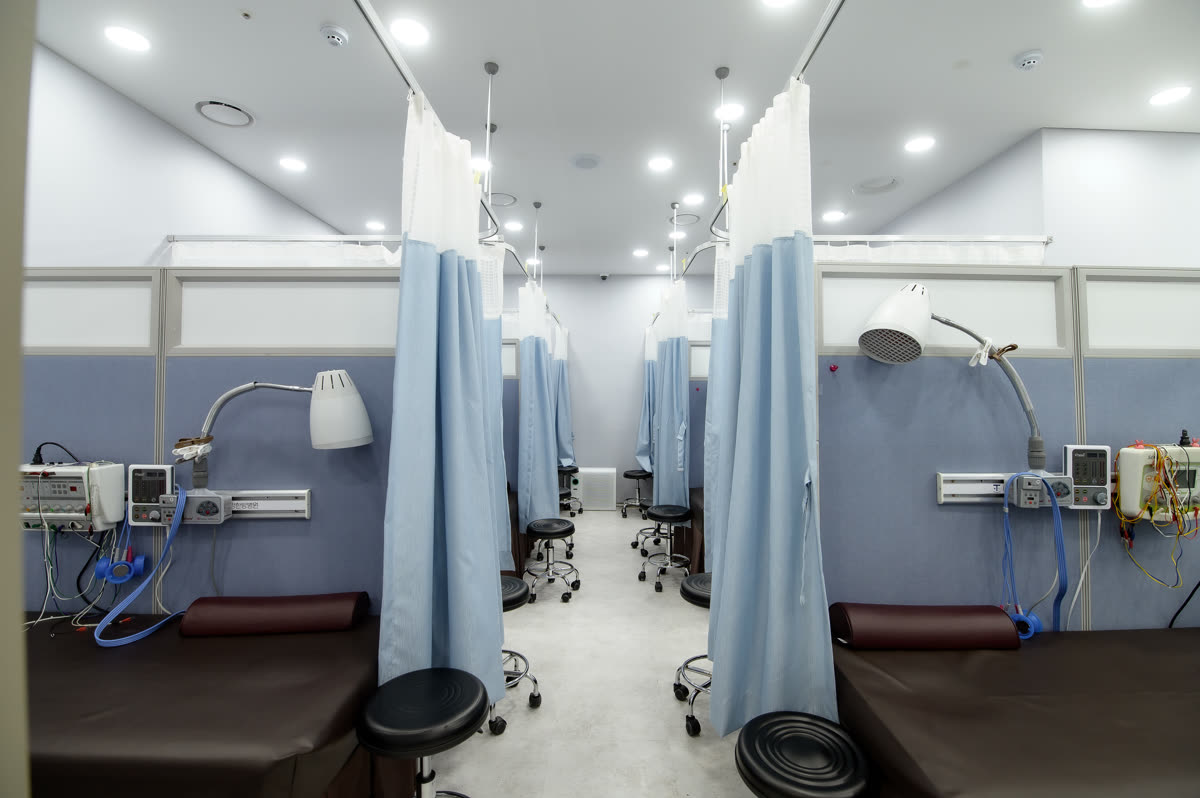
The hospital's treatments include Jeongan acupuncture, pharmacopuncture, thread embedding, herbal medicine and neuro-electric manual therapy, combined by the doctor according to your condition. Jeongan acupuncture uses about 150–200 needles per session and takes about 1 hour. Pain or swelling may occur after needling, and details are explained before treatment.
Some items from the hospital's published non-covered price list (tax and the period the prices apply are not shown):
- Pharmacopuncture: ₩10,000–30,000 per vial
- Therapeutic thread embedding (standard): ₩5,000 per thread, from 2 threads per session
- Manual therapy: ₩50,000 per 30-minute session
- Herbal decoction: ₩300,000–1,000,000 for a 15–20 day supply
The price list shows the Chuna massage price as applying "when over 20 sessions a year." Fees for consultation, examinations and basic acupuncture are not on the list, so please confirm them with us first. These amounts are only price-list data, and which items you actually use depends on your examination results.
What Are 5 Questions to Prepare Before Your Follow-Up?
- How does the doctor see my current condition compared with last time?
- What treatment methods and number of sessions do you recommend this time?
- Is my length of stay enough? Do I need to be admitted?
- Should I take herbal medicine home? What quantity and cost?
- What precautions and follow-up care should I keep in mind after going home?
Before you go home, the hospital checks your recovery and explains precautions and follow-up care direction, so you can confirm these questions again at your last visit.
Opening Hours and How to Get There
Barrrjung Korean Medicine Hospital is in Gwanak-gu, Seoul. The nearest station is Sindaebang Station (Line 2). The address is Samnam Building, floors 1, 7, 8 and 9, 1485 Nambusunhwan-ro, Gwanak-gu, Seoul.
Opening hours:
- Monday to Friday: 09:00–20:00 (lunch break 13:00–14:00)
- Saturdays, Sundays and public holidays: 09:00–15:00 (no lunch break)
The hospital is open on weekends, which may suit those who find it hard to take time off. Please confirm available dates and time slots with us.
Common Questions About Follow-Up Visits in Korea
Q: Do I need to repeat the tests on a second visit?
A: The materials do not describe follow-up test arrangements. Whether you need another consultation, imaging or ultrasound is decided by the doctor after examination, so please ask when you book.
Q: Does the hospital keep my previous treatment records?
A: The materials do not say. We suggest keeping your own receipts, prescriptions and treatment notes, and asking us to check with the hospital when you book.
Q: Is it still worth going back if my condition began a long time ago?
A: The hospital explains that treatment in the early stage has a large effect on outcome, but speed and degree of recovery differ from person to person. Whether further treatment suits your current condition is decided by the doctor after examination.
Q: Can I communicate in English?
A: Booking and pre-visit consultation are handled through K-Clinic. The hospital is registered as an institution for attracting international patients.
How to Book Barrrjung Korean Medicine Hospital Through K-Clinic
The key to a follow-up is having your records in order and your number of days confirmed. Through K-Clinic, you can get a free consultation using the "Request booking" button or the live chat on this website, and explain your records and schedule first.
We will check with the hospital on:
- Whether your schedule is enough for your current condition and length of stay
- The records and imaging to prepare for your follow-up
- Consultation, examination and the treatment prices you want to ask about
- Available dates and time slots (including weekends)
Once your booking is complete, we will tell you your arrival time and the address.
Actual treatment depends on the results of your examination.
Frequently asked questions
What should I prepare for a follow-up visit to a Korean medicine hospital in Korea?
Prepare a dated log of how your symptoms have changed since you went home, your medical records and imaging files, a list of the medications you take, and the number of days you plan to stay. These help the doctor judge your current condition.
Is Barrrjung Korean Medicine Hospital open on weekends?
Yes. It is open 09:00–15:00 on Saturdays, Sundays and public holidays, with no lunch break. Monday to Friday it is open 09:00–20:00, with a lunch break from 13:00 to 14:00.
How many days should I stay in Korea for a follow-up visit at Barrrjung?
The number of treatments and the interval between them are decided by the doctor after an examination. Tell K-Clinic when your symptoms began, when you were last treated and how many days you can stay, and we will confirm whether your schedule is enough. You can also ask about inpatient stays.
How much does a follow-up visit at Barrrjung Korean Medicine Hospital cost?
The hospital's published non-covered price list does not show tax or the period the prices apply, and it does not list consultation, examination or basic acupuncture fees. The actual cost depends on your examination results, so please confirm with K-Clinic first.
Clinics in this article
Sindaebang Station (Line 2)