 K-Clinic
Trigeminal Neuralgia Korea: Attack Log to Prepare (Barrrjung)
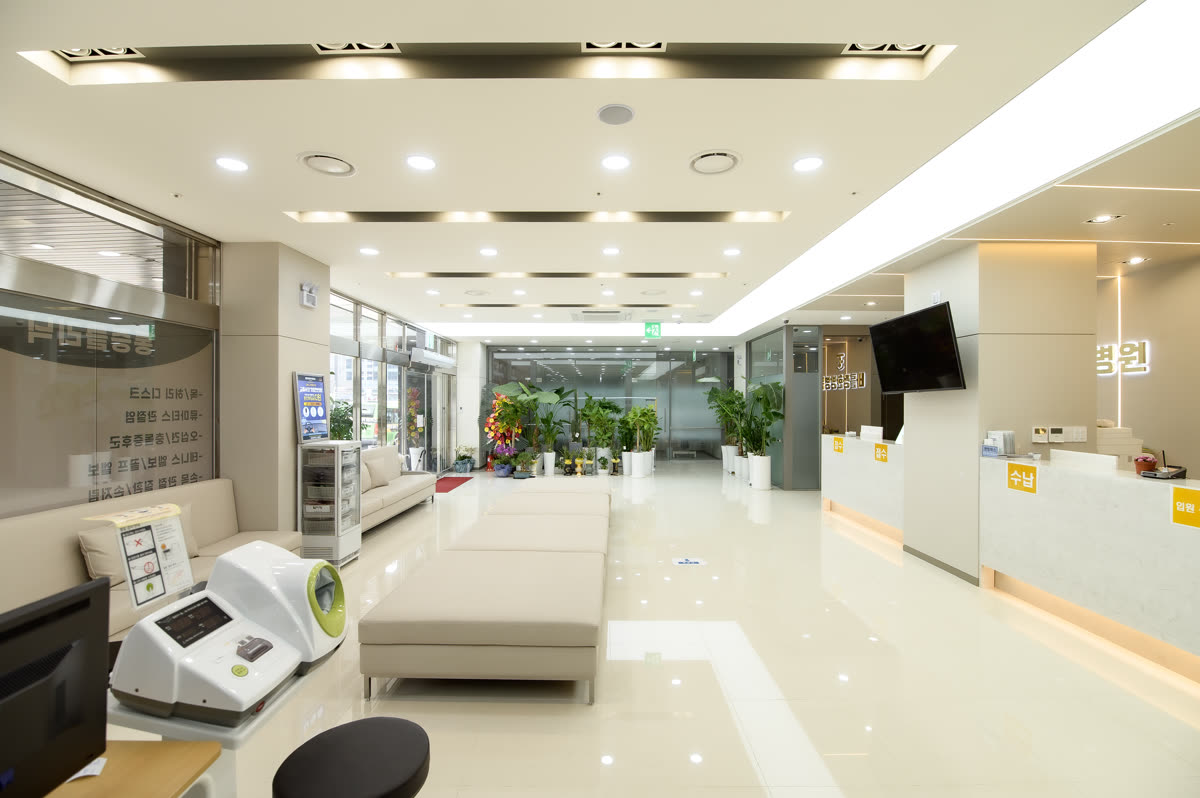
If washing your face, brushing your teeth or talking triggers a stabbing pain on one side of your face, it may be trigeminal neuralgia. Before your trip to Korea, log four things: attack time, duration in seconds, trigger, and pain-free periods. Barrrjung Korean Medicine Hospital in Seoul uses combined Korean and Western medicine; the doctor makes the actual diagnosis.
Short answer: log four things so the doctor can assess faster
If washing your face, brushing your teeth or talking triggers pain, log these before you leave: attack time, duration in seconds, trigger, and pain-free periods.
Barrrjung Korean Medicine Hospital describes trigeminal neuralgia as "electric-shock-like stabbing pain on one side of the face lasting seconds to a few minutes, triggered by washing the face, brushing teeth or talking." If your log matches this description, it is very useful information for the doctor.
A log is not a self-diagnosis, though. Distinguishing trigeminal neuralgia from toothache or atypical facial pain requires a doctor's examination.
Trigeminal neuralgia vs toothache: why log first?
The hospital explains that trigeminal neuralgia is usually a sudden stabbing pain lasting seconds to a few minutes, with pain-free periods, while a toothache is usually constant.
Both can flare up when you brush your teeth or eat, so "where it hurts" alone makes them hard to tell apart. What the doctor needs to know is the pattern of the pain: does it flash by in an instant, or linger as a dull ache? Are you completely pain-free between attacks?
In a foreign clinic, a spoken description is easy to leave incomplete. A simple log gets the key points across faster than "it hurts a lot."
How to write the attack log: 7 columns are enough
You don't need a complicated app. A phone notes app or screenshots will do. Write one line per attack:
- Date and time: for example 11/15 07:40
- Duration in seconds: estimate with your phone's stopwatch, e.g. about 5 seconds, about 30 seconds, about 2 minutes
- Location: left or right side of the face, and roughly where (for example, "right cheek near the side of the nose")
- Trigger: washing your face, brushing teeth, talking, eating, wind, touching your face, etc.
- Type of pain: electric-shock-like, stabbing, dull, throbbing, in your own words
- Afterwards: completely pain-free, or a dull ache remaining
- Medication that day: whether you took painkillers or other medication
Keep the log for 1–2 weeks and condense it into one page before departure. You don't need English or Korean keywords; numbers and dates are a common language.
How to log the three common triggers
The triggers named in the hospital's material are washing the face, brushing teeth and talking. Add a bit more detail for each.
- Washing your face: is it the water temperature, the touch of your hands, or drying your face that sets it off? Note which spot you touched.
- Brushing teeth: is the pain in the tooth itself, or when you touch the cheek or gum area? Does it happen at one particular tooth, or can it start wherever you brush?
- Talking: does it happen as soon as you open your mouth, after talking for a while, or with certain words or mouth shapes?
You can also note how many times an attack came suddenly with no trigger. A toothache is usually constant, so this kind of difference is valuable for the doctor, who makes the judgment after examination.
Barrrjung Korean Medicine Hospital: combined Korean and Western medicine
Barrrjung Korean Medicine Hospital focuses on facial conditions such as facial nerve palsy, trigeminal neuralgia and facial asymmetry. Director Jeong In-ho, a Korean medicine doctor, is President of the Korean Facial Society and President of the Facial Palsy Research Society.
The hospital has 7 doctors, Korean medicine doctors and Western medicine doctors (obstetrics and gynecology specialist), who identify the cause and design treatment through combined Korean and Western medicine consultation. For trigeminal neuralgia, the listed treatments are acupuncture, pharmacopuncture and shockwave therapy.
On pricing, among the hospital's posted non-covered items, pharmacopuncture is ₩10,000–₩30,000 per injection and extracorporeal shockwave C (2,000 shots) is ₩100,000. Tax and validity period are not stated, and fees for consultation, tests and basic acupuncture are not on the price list, so please confirm them first through the "Request booking" button or the live chat on this website.
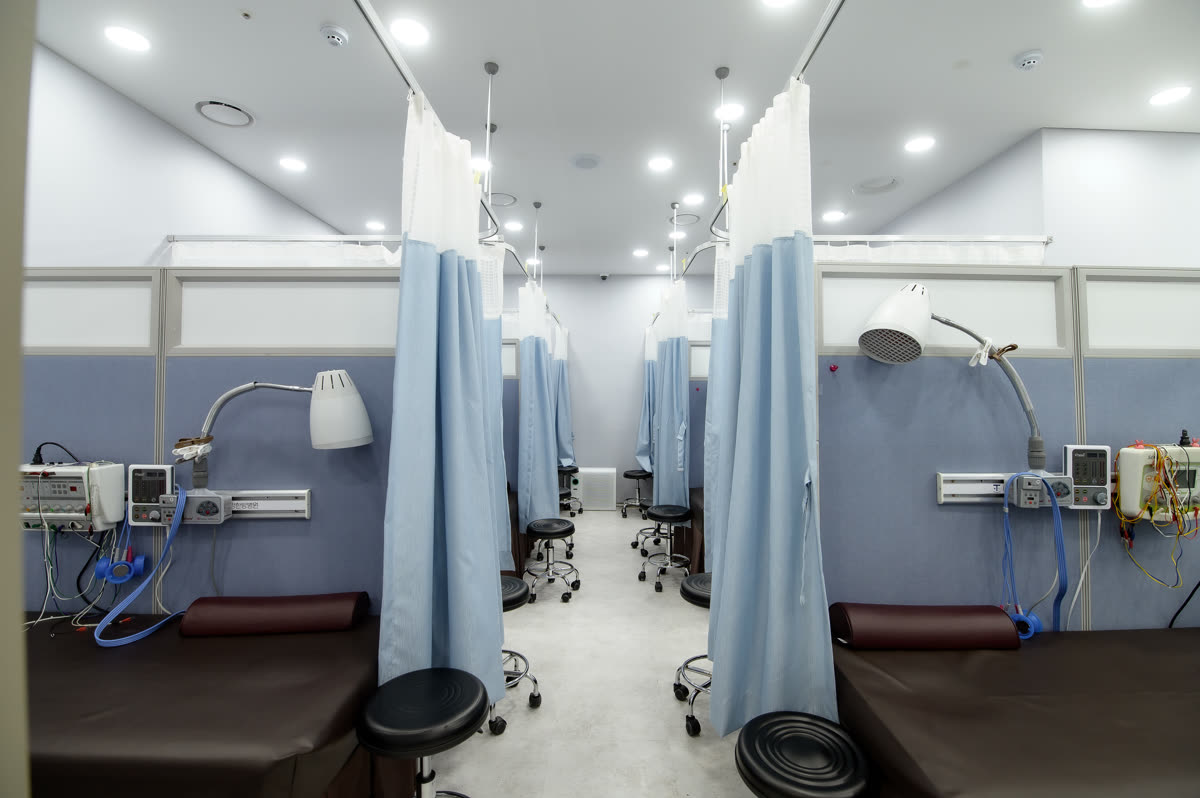
What happens at the first visit, and what to bring
According to the hospital, the first visit includes an interview, pulse and palpation examination, and imaging and ultrasound tests, after which a treatment plan is made once the cause is identified. Before you return home, the doctor checks your recovery and explains precautions and follow-up care.
We recommend bringing:
- Your attack log (condensed to one page)
- Your medical records from home and imaging such as MRI or CT, on disc or as files
- A note of when symptoms began and how they have changed
- The medications you are taking; please tell the doctor in particular about anticoagulants and steroids
The number of sessions and the interval between them are decided by the doctor after examination. If your stay is short, tell the hospital how many days you have so they can confirm whether your schedule is enough; the hospital has 65 inpatient beds, so you can also ask about hospitalization.
Hours and location
Barrrjung Korean Medicine Hospital is near SinDaebang Station (Line 2), at Samnam Building, floors 1, 7, 8 and 9, 1485 Nambusunhwan-ro, Gwanak-gu, Seoul (Korean: 서울 관악구 남부순환로 1485 삼남빌딩 1, 7, 8, 9층).
Opening hours:
- Monday–Friday: 09:00–20:00 (lunch break 13:00–14:00)
- Saturday, Sunday and public holidays: 09:00–15:00 (no lunch break)
The hospital is open on weekends, which is convenient if your trip only covers days off. Since weekend hours end at 15:00, we suggest going in the morning.
Frequently asked questions
Q: What if my duration in seconds isn't accurate?
A: A rough estimate is fine. Write a range such as "within a few seconds" or "about 1 minute." The point is to show whether the pain is momentary or lingering.
Q: Is it okay if I have very few attacks to record?
A: Yes. Record them honestly even if they are few, and note how many days you kept the log so the doctor can see the frequency.
Q: I have already seen a dentist at home. Do I still need to bring records?
A: Yes. Dental exam results, X-rays and visit records all help the doctor's assessment.
Q: Can I stop my medication before the visit?
A: Do not stop or change your medication on your own. Tell the doctor about everything you are taking as it is, and the doctor will decide.
Book Barrrjung Korean Medicine Hospital through K-Clinic
Use the "Request booking" button or the live chat on this website for a free consultation, and tell us your symptom log and how many days you will stay.
We will check with the hospital on your behalf:
- Suitable appointment dates and time slots for your symptoms (including weekends)
- Fees for consultation, tests and basic acupuncture
- Treatment arrangements within your stay, and whether hospitalization is needed
- The imaging and medical records you need to bring
Once the booking is complete, we will tell you your arrival time and the address.
Actual treatment depends on the results of the examination.
Frequently asked questions
How do I tell trigeminal neuralgia from a toothache?
According to the hospital, trigeminal neuralgia is usually a sudden stabbing pain lasting seconds to a few minutes, with pain-free periods in between, while a toothache is usually constant. A doctor's examination is still needed to tell them apart.
What should I record before seeing a doctor in Korea for trigeminal neuralgia?
Record the time and duration in seconds of each attack, the side of the pain (left or right), the trigger (washing your face, brushing teeth, talking, etc.), and whether you are completely pain-free between attacks.
What treatments does Barrrjung Korean Medicine Hospital offer for trigeminal neuralgia?
The listed treatments are acupuncture, pharmacopuncture and shockwave therapy. Which one is used, and how many sessions, is decided by the doctor after examination.
Is Barrrjung Korean Medicine Hospital open on weekends?
Yes. It is open on Saturdays, Sundays and public holidays from 09:00 to 15:00, with no lunch break.
Clinics in this article
Sindaebang Station (Line 2)