 K-Clinic
Korea Pain Clinic Guide: 5 Checks at Dr.Google Anyang
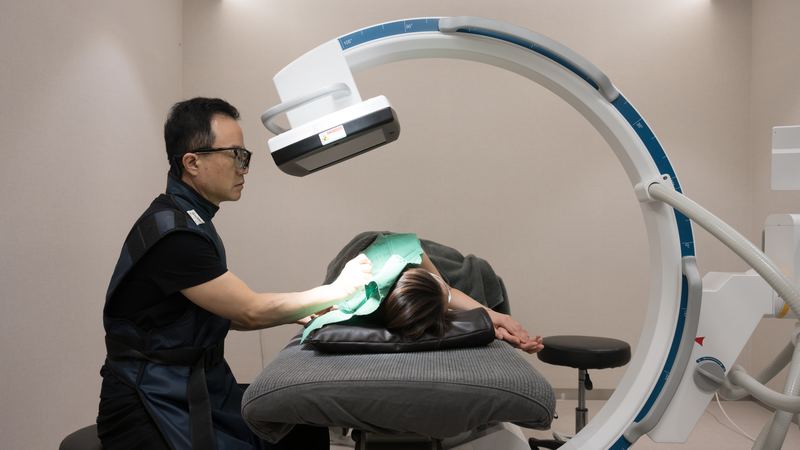
To choose a pain clinic in Korea, check 5 things: a board-certified anesthesiology and pain medicine specialist who treats you personally, C-arm imaging guidance, a clear steroid policy, a day ward or inpatient stay, and easy access. Dr.Google Pain Medicine in Anyang meets all five: Director Koo Jae-won handles every visit, it uses C-arm and MTS microneedles, has a day ward (6+ hours) and 24-hour stays on the 8th floor, and is a 5-minute walk from Beomgye Station.
What Should You Check Before Choosing a Pain Clinic in Korea?
When choosing a pain clinic, don't start with price or advertising. Compare 5 things first: the specialist, imaging guidance, steroid policy, ward facilities, and access and parking.
You can ask about all five before you travel. Below, we use Dr.Google Pain Medicine in Anyang, Gyeonggi-do as an example so you can see what a good answer looks like.
- Check 1: Is a board-certified anesthesiology and pain medicine specialist personally in charge?
- Check 2: Is the injection site confirmed with C-arm imaging?
- Check 3: What is the steroid policy?
- Check 4: Is there a day ward or inpatient stay?
- Check 5: Transport and parking
Check 1: Is the Specialist Personally in Charge?
First confirm the doctor is a board-certified anesthesiology and pain medicine specialist, then confirm that the same doctor handles the first consultation, examination, treatment and follow-up. Certification is the qualification; personal responsibility is what keeps the explanation consistent every time.
At Dr.Google Pain Medicine, Director Koo Jae-won, MD, PhD, a board-certified anesthesiology and pain medicine specialist, personally handles everything from the first consultation and examination to follow-up after treatment.
When your time abroad is limited, this matters: you don't have to repeat your medical history to different people.
Check 2: Does the Clinic Use C-arm Imaging Guidance?
Nerves are thin and deep, so injecting while watching imaging is better than relying on feel. Ask the clinic: is the position confirmed on imaging during the injection?
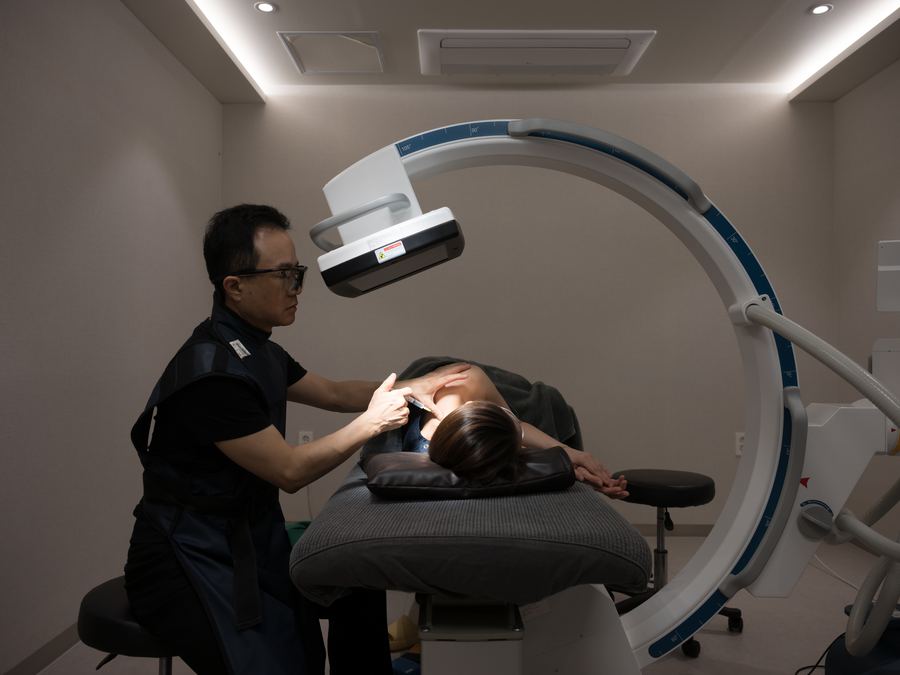
Dr.Google Pain Medicine uses C-arm imaging equipment to confirm the nerve and treatment site, then reaches the source of pain with ultra-fine MTS microneedles to reduce tissue damage. The clinic also states that no separate physical therapy is needed.
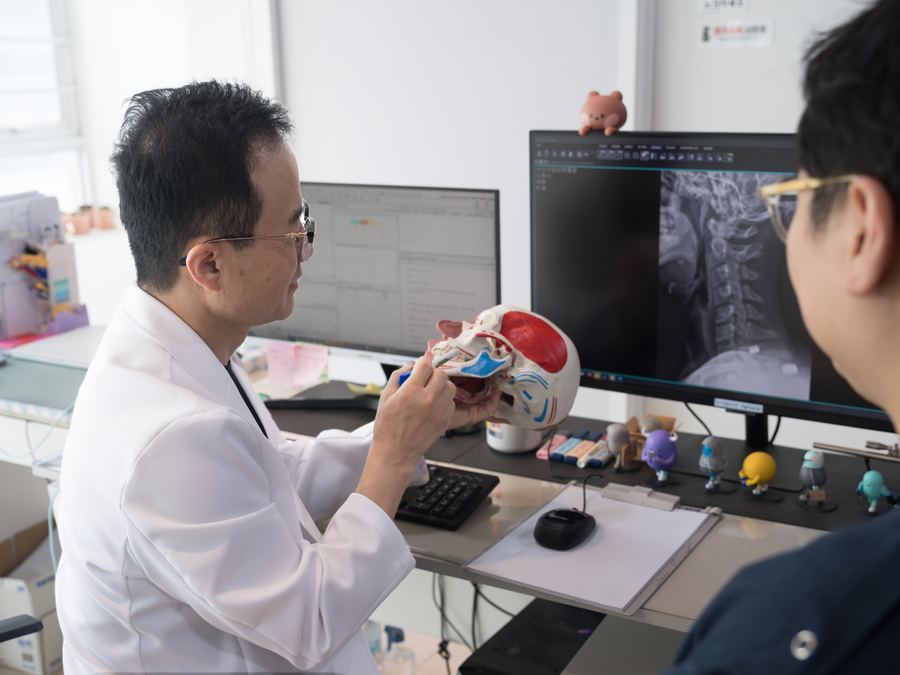
The examination itself should be thorough too. The first visit includes an interview, physical examination and imaging to identify the source of pain, and treatment can be done the same day when appropriate.
Check 3: How Does the Clinic Decide Whether to Use Steroids?
A good answer is neither "always" nor "never." It is a careful decision based on your condition, with a clearly stated principle.
The policy at Dr.Google Pain Medicine: steroids are used only after careful judgment of each case, and avoided in principle. Whether they suit you is decided by the doctor.
During your consultation, ask directly: "Would my condition involve steroids? Why?" A clinic that answers clearly is usually the more reassuring choice.
Check 4: Is There a Day Ward or Inpatient Stay?
For travelers, this is the easiest point to overlook yet the one that most affects your itinerary. Having somewhere to rest after treatment means you don't have to look for a café while sore.
Dr.Google Pain Medicine has wards on the 8th floor (single and double rooms) with two options:
- Day ward: 6 hours or more; rest after treatment and return to your accommodation the same day
- 24-hour inpatient stay: for when continued observation is needed
The clinic says most people can walk on the day of treatment. Whether you stay, and for how long, is decided by the doctor.
Check 5: How Do You Get There, and Is There Parking?
Walking and standing are hard when you're in pain, so the simpler the route, the better. Look at the distance from the station and whether parking is available.
Dr.Google Pain Medicine is a 5-minute walk from Beomgye Station (Line 4), with parking in the building. The address is Downtown Building, 214 Simin-daero, Dongan-gu, Anyang-si, Gyeonggi-do, with treatment rooms on the 7th floor and wards on the 8th.
From Seoul, take Subway Line 4 to Beomgye Station and walk about 5 minutes after exiting.
What Are the Opening Hours?
The clinic is closed on Thursdays and Sundays, so plan your schedule around that:
- Monday and Friday: 09:30–20:00 (until 8 pm)
- Tuesday: 14:30–20:00 (afternoon only)
- Wednesday: 09:30–19:00
- Saturday: 09:30–14:00
- Thursday and Sunday: closed
Tuesday is an afternoon session and Saturday ends at 2 pm. If you want treatment on your arrival day or the day before you leave, check the time slot first.
Which Symptoms Should You See a Pain Clinic For?
Dr.Google Pain Medicine mainly treats shingles, post-herpetic neuralgia and lumbar disc herniation. It also treats cervical disc herniation, spinal stenosis, shoulder, elbow, knee and hip pain, as well as trigeminal neuralgia and tinnitus.
- Shingles: pain continues after the blisters heal, feels like stabbing or burning, or keeps you awake at night
- Lumbar disc herniation: pain runs from the lower back to the buttock and leg, worsens when sitting for long or coughing, or weakness in the ankle or toes
- Cervical disc herniation: neck and shoulder stiffness, pain inside the shoulder blade, numb arms or fingers, or dropping things
Numb fingers can also come from carpal tunnel syndrome or an elbow nerve problem, which a doctor needs to examine to tell apart. If you have been advised to have surgery, the clinic also welcomes you to hear other options. Without progressive paralysis, non-surgical treatment such as injections can be considered first, based on MRI, symptoms and muscle strength.
What Should You Prepare Before You Go?
The more complete your preparation, the more efficiently the first visit can identify the source of your pain.
- Bring any MRI, CT or X-ray images or medical records from your home country, on disc or as files
- Tell the clinic about medications you are taking (especially anticoagulants and painkillers)
- For shingles, tell them the onset date and the affected area
The number of pain treatment sessions varies by person, and follow-up treatment is sometimes needed. Tell the clinic your symptoms and how many days you will stay, and the doctor will confirm whether your schedule is enough.
Frequently Asked Questions from International Visitors
Q: Can I fly right after treatment?
A: Most people can walk normally on the day of treatment, but please confirm your flight timing with the doctor first.
Q: Does a herniated disc always need surgery?
A: Not necessarily. Without progressive paralysis or loss of bladder or bowel control, non-surgical treatment can usually be considered first. The actual approach depends on your MRI and symptoms.
Q: The blisters have healed but it still hurts. Can it still be treated?
A: Yes. Pain that continues after the blisters fade is mostly post-herpetic neuralgia and needs to be treated as nerve pain. We recommend being examined as early as possible.
Q: How much does it cost?
A: Please ask through the "Request booking" button or the live chat on K-Clinic.
Book Dr.Google Pain Medicine Through K-Clinic
Use the "Request booking" button or the live chat on this website for a free consultation, and ask about your symptoms, length of stay and the 5 checks all at once.
We will check with the clinic for you:
- Whether your symptoms suit a visit, and which images or records to bring
- Whether your length of stay is enough for treatment and follow-up
- Whether you need the day ward or a 24-hour inpatient stay
- Available dates and time slots (Tuesday afternoon session; closed Thursdays and Sundays)
Once your booking is confirmed, we will tell you the arrival time and address.
The actual treatment plan depends on the examination results.
Frequently asked questions
What should I look for when choosing a pain clinic in Korea?
Check 5 points: whether a board-certified anesthesiology and pain medicine specialist is personally in charge, whether C-arm imaging is used, the clinic's steroid policy, whether a day ward or inpatient stay is available, and transport and parking. Dr.Google Pain Medicine explains all 5 clearly.
Who treats patients at Dr.Google Pain Medicine in Anyang?
Director Koo Jae-won, MD, PhD, a board-certified anesthesiology and pain medicine specialist, personally handles everything from the first consultation and examination to follow-up after treatment.
Does Dr.Google Pain Medicine in Korea use steroids?
Steroids are used only after careful judgment of each case, and the clinic avoids them in principle. Whether they suit you is decided by the doctor.
How do I get to Dr.Google Pain Medicine in Anyang, Korea?
Take Seoul Subway Line 4 to Beomgye Station, then walk about 5 minutes; parking is available in the building. The address is 7F, Downtown Building, 214 Simin-daero, Dongan-gu, Anyang-si, Gyeonggi-do.
Clinics in this article
About 5 min walk from Beomgye Station (Line 4)