 K-Clinic
Sciatica Pain Clinic Korea | Dr.Google Pain Medicine
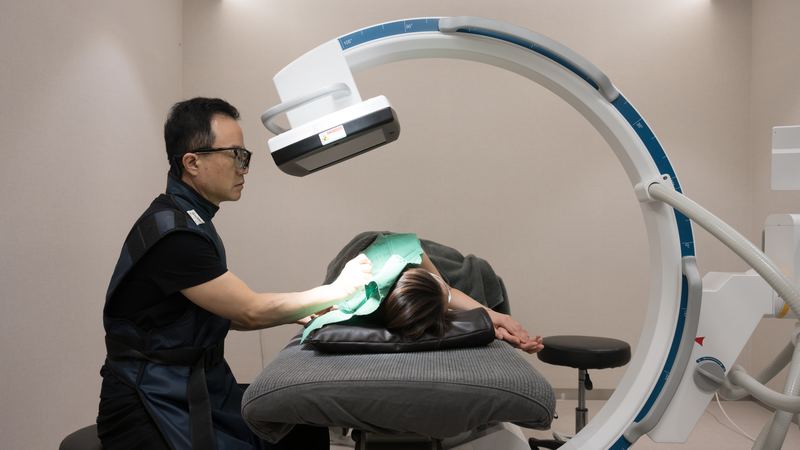
Back pain that gets worse when you sit or cough and spreads from the lower back to the buttock and leg is a common sign of a herniated lumbar disc (sciatica). Weak ankles or toes make imaging more urgent. Dr.Google Pain Medicine Clinic in Anyang, Korea, a 5-minute walk from Beomgye Station, can examine you; without progressive paralysis, non-surgical treatment can be considered first.
Quick answer: pain when sitting, pain when coughing and leg pain should be taken seriously
Back pain that gets worse when you sit or cough and spreads from the lower back to the buttock and leg is a common symptom combination of a herniated lumbar disc. Simple back soreness usually stays in the lower back, while pain that radiates into the leg is more typical of a compressed nerve.
If you also have weakness in your ankle or toes, do not wait: get imaging as soon as possible to find the cause.
This article helps office workers check their symptoms one by one and explains when it is worth fitting a pain clinic visit into a trip to Korea. This is general information; the actual diagnosis depends on the doctor.
Why does sitting and coughing make back pain worse?
The commonly cited explanation is that the lumbar spine carries more pressure when you sit, so a disc that is already bulging may irritate the nearby nerve more easily, and the longer you sit, the more it hurts.
Coughing, sneezing and straining raise abdominal pressure suddenly, which can also make the pain flare. That "electric jolt whenever I strain" feeling is the first clue many people notice.
Pain that eases a little when you stand up and walk around, then returns when you sit down again, is another pattern office workers often describe. These are only clues and cannot replace an exam.
Sciatica symptom checklist: how many do you have?
According to Dr.Google Pain Medicine Clinic, the typical sign of a herniated lumbar disc is "radiating pain through the lower back, buttock and leg":
- Pain that spreads from the lower back to the buttock and leg
- Pain that gets worse when sitting or coughing
- Weakness in the ankle or toes
If you have one of these, you can observe and keep a record for now. If you have two or more, or any ankle or toe weakness, arrange an examination.
Noting these details also helps the doctor during your visit:
- Where the pain is: only the lower back, the buttock, or all the way down to the calf or foot
- What makes it worse: sitting, bending, coughing, standing up
- How long it has lasted and whether it is getting worse
- Whether your legs feel numb or weak, or you feel unsteady when walking
When should you see a pain clinic?
In the following situations, we recommend a pain clinic exam and imaging:
- Back pain has spread to the buttock or leg and does not go away
- Pain clearly worsens when sitting or coughing and affects work or sleep
- Your ankle or toes feel like they cannot push or grip
- Pain keeps coming back after rest or self-care for a while
If muscle strength keeps getting worse, or you have trouble controlling your bladder or bowels, do not delay. Seek medical care as soon as possible.
Some people have back pain together with problems elsewhere. Dr.Google Pain Medicine Clinic also treats spinal stenosis, cervical disc herniation, and shoulder and knee pain, so mention them during your exam.
Dr.Google Pain Medicine Clinic: find the cause of the pain first
The clinic's approach is "surgery is not always necessary; find the cause of the pain first." Director Koo Jae-won, MD, PhD, a specialist in anesthesiology and pain medicine, personally handles everything from the first visit and tests to follow-up after treatment.
A herniated disc is assessed from your MRI, symptoms and any loss of muscle strength. Without progressive paralysis, non-surgical treatment such as injections can be considered first. If you have already been advised to have surgery, you can also come to hear other options.
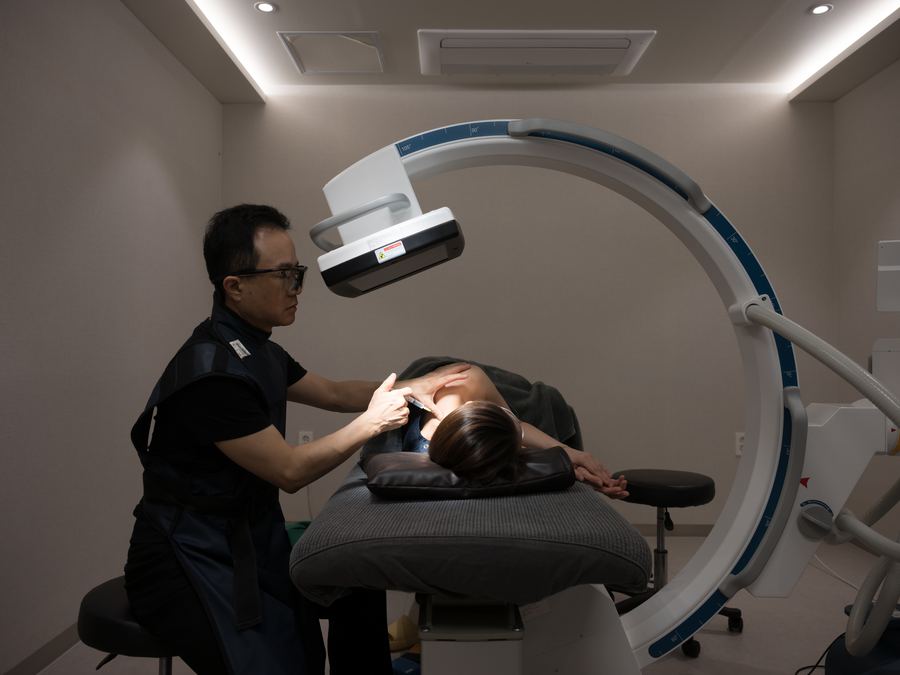
During treatment, C-arm imaging is used to confirm the nerve and treatment location, and an ultra-fine MTS microneedle reaches the source of pain to limit tissue damage. Steroids are used only after careful consideration based on the condition, and are avoided where possible. Whether treatment suits you, and its content and number of sessions, are decided by the doctor.
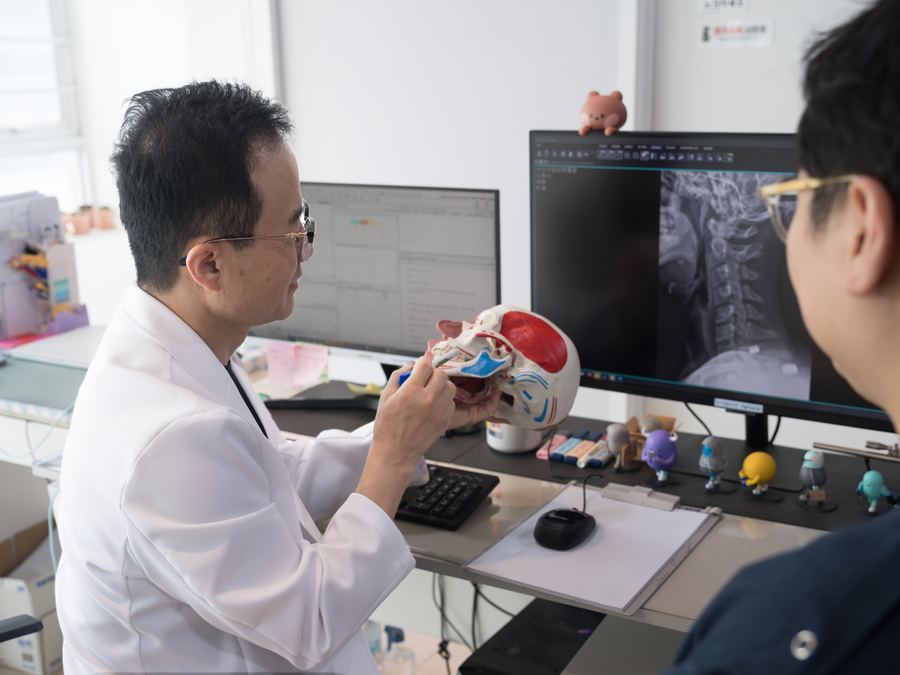
What happens at your first visit, and how to plan your trip
- Visit 1: consultation, physical exam and imaging to confirm the source of pain; treatment on the same day if suitable.
- After treatment: most people can walk the same day, and can rest in a day ward before returning to their accommodation.
- Afterwards: whether you need more treatment, and how far apart, is decided by the doctor based on your response.
The clinic has wards on the 8th floor (single and double rooms), with a choice of a day ward stay of 6 hours or more, or a 24-hour stay, which is convenient for visitors from out of town.
The number of pain treatments varies by person, and follow-up treatment is sometimes needed. Please tell us your symptoms and length of stay through the Request booking button or live chat first, so the doctor can confirm whether your schedule is enough.
What to prepare before your visit
- MRI, CT or X-ray images or medical records from your home country, on disc or as files
- Medicines you currently take, especially blood thinners and painkillers, so tell the doctor first
- The symptom notes from above: location, movements that worsen it, and how long it has lasted
Bringing imaging helps the doctor judge your condition and may reduce repeat tests. Whether new images are needed is decided by the doctor.
Hours and how to get to Dr.Google Pain Medicine Clinic
The clinic is a 5-minute walk from Beomgye Station (Line 4). From Seoul, take Subway Line 4 to Beomgye Station and walk from the exit. Parking is also available in the building.
Address: Downtown Building, 214 Simin-daero, Dongan-gu, Anyang-si, Gyeonggi-do, 7F (treatment rooms) · 8F (wards).
- Mon · Fri: 09:30–20:00
- Tue: 14:30–20:00
- Wed: 09:30–19:00
- Sat: 09:30–14:00
- Thu · Sun: closed
The clinic is open until 8 PM on Monday and Friday, so an appointment after work or after your day's plans may be possible. Note that on Tuesday it is open in the afternoon only.
Common questions from international visitors
Q: Can I fly right after treatment?
A: Most people can walk normally on the day of treatment, but please confirm your flight timing with the doctor first.
Q: My doctor at home already recommended surgery. Can I still go?
A: Yes. People who have already been advised to have surgery can also come to hear other options. Whether non-surgical treatment suits you is decided from your MRI and symptoms.
Q: How much does a visit cost?
A: The clinic does not publish a price list. For costs, ask through the Request booking button or live chat.
Q: I'm only in Korea for a few days. Is that enough?
A: The number of treatments and the interval between them vary by person. Tell us your length of stay first, and the doctor will confirm whether your schedule is enough.
Book Dr.Google Pain Medicine Clinic through K-Clinic
Use the live chat on K-Clinic for a free consultation, and explain your symptoms and schedule before booking.
We check with the hospital for you:
- Whether your schedule is enough for your symptoms and length of stay
- Suitable appointment dates and time slots
- Which imaging records to bring
- Costs, and whether you need to rest in a day ward
Once your booking is complete, we will tell you the arrival time and address.
Actual treatment depends on the results of your exam.
Frequently asked questions
Is back pain that gets worse when sitting or coughing a herniated disc?
It is one of the common symptoms of a herniated lumbar disc, especially when the pain spreads from the lower back to the buttock and leg. Other back problems can look similar, so a doctor needs to decide based on an exam and imaging.
When should I see a pain clinic for sciatica symptoms in Korea?
Get checked if the pain spreads from your back to the buttock or leg, gets worse when you sit or cough, or your ankle or toes feel weak. If you notice problems controlling your bladder or bowels, or your muscle strength keeps getting worse, seek medical care as soon as possible.
Does a herniated disc always need surgery?
No. If there is no progressive paralysis or loss of bladder and bowel control, non-surgical treatment can usually be considered first. The actual direction is decided from your MRI and symptoms.
What should I bring to Dr.Google Pain Medicine Clinic in Anyang, Korea?
Bring any MRI, CT or X-ray images or medical records from your home country (on disc or as files), and tell the doctor which medicines you take, especially blood thinners and painkillers.
Clinics in this article
About 5 min walk from Beomgye Station (Line 4)