 K-Clinic
Herniated Disc Flight to Korea: Seating & Pain Clinic Visit
With a herniated disc, the key to flying to Korea is to avoid sitting for long stretches, support your lower back, and stand up and walk at regular intervals. Carry your regular medication and any MRI images from home, and tell Dr.Google Pain Medicine your symptoms and length of stay through the website's booking request or live chat before you fly, so the doctor can confirm your schedule is long enough and set a visit day.
Herniated Disc Flight to Korea: Support Your Back and Don't Sit Still
If you have a herniated disc and are flying, the three most important things are: support your lower back, stand up at regular intervals, and tell the clinic your symptoms in advance.
It is commonly said that sitting in a fixed position for a long time keeps the lower back under constant load, so pain or numbness in the back, buttocks and legs may feel stronger after sitting. How it affects you varies from person to person and depends on the doctor's judgment.
This article focuses on the outbound flight: preparing before departure, how to sit on the plane, and arranging a visit to Dr.Google Pain Medicine after you arrive, step by step.
Why Does Sitting Make Herniated Disc Pain Worse?
According to the clinic, common signs of a herniated disc include pain that runs from the lower back into the buttocks and legs, pain that gets worse when sitting for a long time or coughing, and weakness in the ankle or toes. "Worse when sitting" is exactly what you are most likely to run into on a flight.
Airplane seats have limited space and a fixed backrest angle, so it is easy for your lower back to lose contact with the seat and for your body to slide forward. Once your posture slumps, your lower back works harder.
So the point is not to "tough it out until you land," but to prepare ahead so these few hours are easier.
Before Boarding: What to Prepare
Get what you can done one to two weeks before departure, so you are not scrambling at the airport.
- Lower back support: a small cushion, a rolled-up jacket or a travel lumbar pillow, placed between your lower back and the seat.
- Seat choice: if you can choose, an aisle seat makes it easier to get up; whether a suitable seat is available depends on the airline's rules.
- Carry-on bag: keep your regular medication and any MRI, CT or X-ray images or medical records from home (on disc or as files) in your carry-on, not in checked baggage.
- Clothing: loose, easy-to-move clothes and comfortable walking shoes.
- Heavy items: ask someone to help lift your luggage up and down, and avoid bending and twisting your back.
If you are taking medication, especially blood thinners or painkillers, write down the names first and tell the clinic later through the booking request or live chat.
How to Sit on the Plane With a Herniated Disc
The following are commonly suggested tips; whether they suit you depends on the doctor's judgment.
- Sit all the way back: keep your lower back close to the seat back, and fill the gap at your lower back with a cushion.
- Don't cross your legs or slouch forward: keep your weight on both sitting bones.
- Stand up regularly: when it is safe and the crew allows, get up, walk and stretch your legs instead of sitting continuously until landing.
- Move while seated: gently rotate your ankles, switch which foot is on the floor, and shift your posture slightly.
- Don't force big stretches: if sudden pain or numbness in your back or legs gets worse, don't push yourself to twist or bend.
If you notice obvious leg weakness, worsening numbness, or problems controlling your bladder or bowels on the plane, tell the crew immediately and see a doctor as soon as you land.
Tell the Clinic Your Symptoms and Length of Stay First
The clinic specifically advises: the number of pain treatment sessions varies from person to person, and follow-up treatment is sometimes needed. Please tell us your symptoms and length of stay first, and the doctor will confirm whether your schedule is enough.
We suggest organizing this information before you leave:
- Where the pain is: back, buttocks, legs, or whether it extends to the calf and foot
- When it gets worse: sitting for a long time, coughing, standing up
- Whether you have weakness in the ankle or toes
- Tests and images you have had at home, and whether you can provide the files
- Medications you are taking
- How many days you will stay in Korea and which days you arrive
This lets the hospital judge whether a visit fits within your stay and which day suits you best.
When Should You Book the Visit After Landing?
After a long flight your body may feel a bit stiff. We suggest resting on the day you arrive and scheduling the visit a little later, rather than rushing straight from the airport. This is a general scheduling idea; please confirm the actual date through the booking request or live chat.
According to the clinic, the first visit works like this:
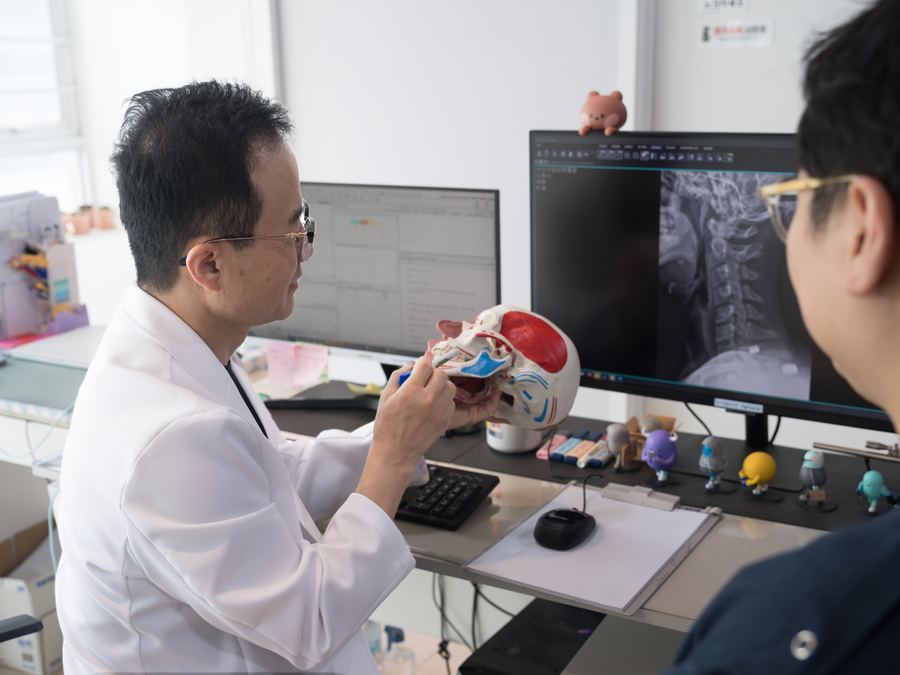
- First visit: consultation, physical examination and imaging to identify the source of pain; if suitable, treatment can be done the same day.
- After treatment: most people can walk the same day, and can rest in the day ward before returning to their accommodation.
- Afterwards: whether you need another treatment and how long to wait between sessions is decided by the doctor based on your response to treatment.
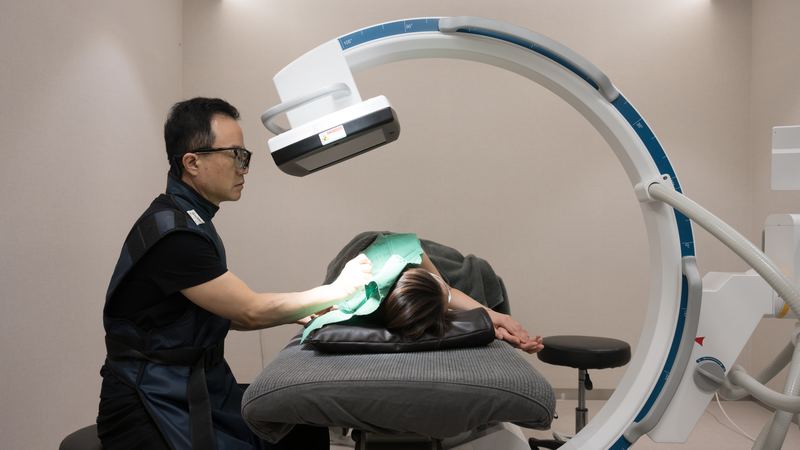
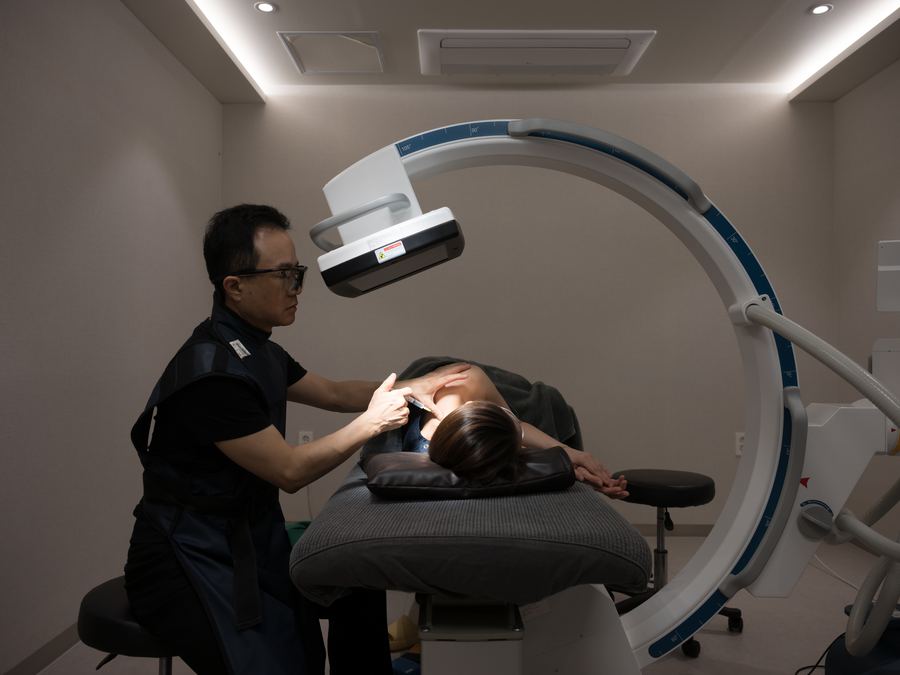
The clinic uses C-arm imaging to confirm the nerve and treatment site, and injects with an extremely fine MTS microneedle. Steroids are used only after careful consideration depending on the condition, and are avoided in principle.
If you need rest, there are wards on the 8th floor: you can choose a day ward stay of 6 hours or more, and 24-hour admission is also available when continued observation is needed.
Opening Hours and How to Get There
Dr.Google Pain Medicine is at Downtown Building, 214 Simin-daero, Dongan-gu, Anyang-si, Gyeonggi-do — 7th floor (treatment rooms) and 8th floor (wards). Take Seoul Subway Line 4 to Beomgye Station and walk about 5 minutes from the exit; parking is available in the building.
Opening hours:
- Mon & Fri: 09:30–20:00
- Tue: 14:30–20:00
- Wed: 09:30–19:00
- Sat: 09:30–14:00
- Thu & Sun: closed
If your flight arrives late, choose Monday or Friday, when the clinic is open until 8 p.m. The clinic is closed on Thursday and Sunday, so avoid those days when planning.
Common Questions About Herniated Disc Treatment in Korea
Q: Does a herniated disc always need surgery?
A: Not necessarily. According to the clinic, when there is no progressive paralysis or loss of bladder or bowel control, non-surgical treatment can usually be considered first; the actual direction is decided by your MRI and symptoms.
Q: I've already been advised to have surgery. Can I still visit?
A: Yes. The clinic says people who have been advised to have surgery can also come to hear other options, and the doctor makes the final judgment.
Q: Can I fly home right after treatment?
A: Most people can walk normally on the day of treatment, but please confirm your flight time with the doctor first. We suggest asking when you plan your return flight.
Q: Do I have to bring my imaging from home?
A: We recommend it. Please bring any MRI, CT or X-ray images or medical records on disc or as files, as they help the doctor make a judgment.
Book Dr.Google Pain Medicine Through K-Clinic
If you explain your symptoms and length of stay before you fly, you won't make the trip for nothing after you arrive. Through K-Clinic, you can send a free inquiry using the "Request booking" button or the live chat on this website.
We will check with the hospital:
- Whether your symptoms and length of stay suit a visit
- Dates and time slots available after you arrive
- Which imaging and medication information to bring
- Whether you need to rest in the day ward, and what to watch for with your return flight time
Once your booking is confirmed, we will tell you the arrival time and address.
The actual treatment depends on the results of your examination.
Frequently asked questions
Does a herniated disc get worse on a plane?
Sitting in a fixed position for a long time commonly puts more load on the lower back, so people with pain may feel more discomfort in the back, buttocks or legs. Back support and getting up at regular intervals can reduce discomfort; how it affects you depends on the individual and the doctor's judgment.
What should I tell the clinic before my flight to Korea with a herniated disc?
Tell the clinic where your symptoms are (pain or numbness in the back, buttocks or legs), whether you have weakness in your ankle or toes, which medications you take, and how many days you will stay in Korea. The number of pain treatment sessions varies from person to person, so please send this through the booking request or live chat and the doctor will confirm whether your schedule is enough.
Can I go to Dr.Google Pain Medicine right after landing in Korea?
Yes, you can book a visit day after your arrival. Hours are Mon and Fri 09:30–20:00, Tue 14:30–20:00, Wed 09:30–19:00, Sat 09:30–14:00; the clinic is closed on Thursday and Sunday, so choose a date that fits your flight arrival time.
Where is Dr.Google Pain Medicine in Korea?
It is in Anyang, Gyeonggi-do. Take Seoul Subway Line 4 to Beomgye Station, then walk about 5 minutes from the exit; parking is available in the building.
Clinics in this article
About 5 min walk from Beomgye Station (Line 4)