 K-Clinic
Back Pain Radiating to Leg & Weak Ankle: Slipped Disc Korea
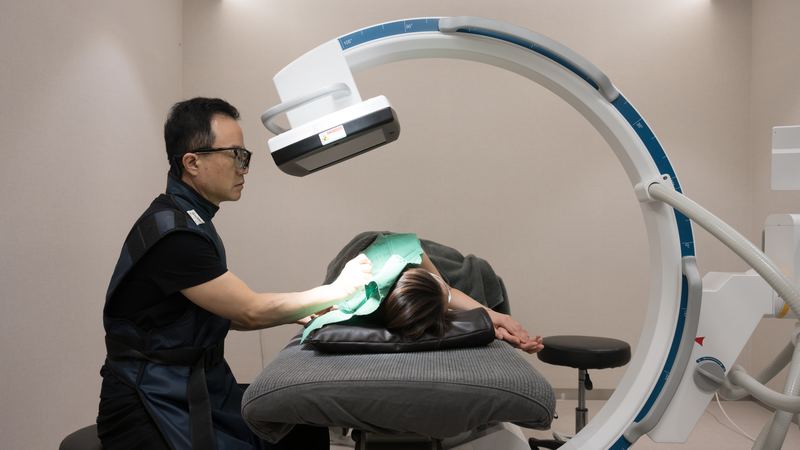
Back pain that spreads to the buttock and leg, gets worse when sitting or coughing, and comes with ankle or toe weakness is a classic pattern of a herniated lumbar disc. Dr.Google Pain Medicine in Anyang, Korea decides on treatment from your MRI, symptoms and any muscle weakness. If there is no progressive paralysis, non-surgical options such as injections can be considered first.
Do I Need Surgery for Back Pain Radiating to the Leg?
Pain that runs from the lower back and buttock down the leg, gets worse when you sit or cough, and comes with weak ankles or toes is listed by Dr.Google Pain Medicine as a typical presentation of a herniated lumbar disc.
The clinic bases its decision on three things: MRI, symptoms, and whether there is muscle weakness. If there is no progressive paralysis, non-surgical treatment such as injections can be considered first.
The clinic's philosophy is "surgery is not always necessary; find the cause of the pain first." Patients who have already been advised to have surgery are also welcome to come and hear other options.
Which Symptoms Should You Watch For?
Be alert when these appear together:
- Pain that spreads from the lower back to the buttock and leg, not just a stiff back
- Pain that gets worse when sitting or coughing
- Weakness in the ankle or toes
Each point means something different. Radiating pain suggests a nerve may be compressed; worsening with coughing or sitting is a common feature; and ankle or toe weakness involves muscle strength, which doctors look at closely when deciding on a direction.
This is general information. Whether it is truly a herniated disc must be confirmed by a doctor's examination and imaging.
How Do Doctors Decide Whether Surgery Is Needed?
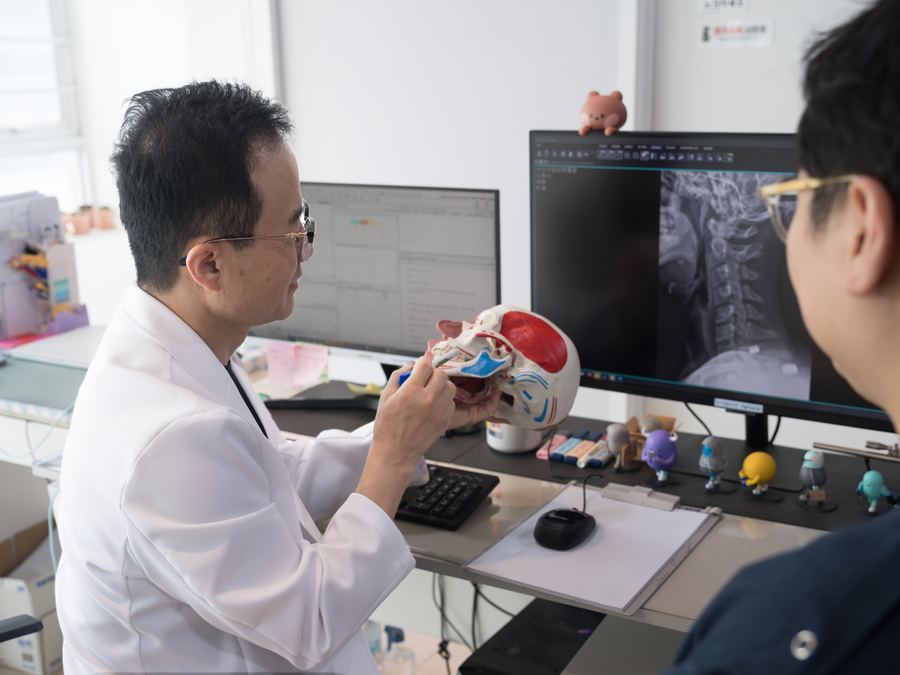
Dr.Google Pain Medicine looks at MRI, symptoms and muscle weakness together, rather than relying on imaging alone.
- MRI: confirms where the disc is herniated and how much it is pressing on the nerve
- Symptoms: the area of pain and which movements make it worse
- Muscle strength: whether the ankle or toes are weak and whether it is getting worse
The key question is whether there is progressive paralysis. If there is none, non-surgical treatment such as injections can be considered first.
If progressive paralysis or loss of bladder or bowel control appears, non-surgical treatment alone is not the right approach, and the doctor will decide how to proceed.
Non-Surgical Herniated Disc Injections Under C-arm Guidance
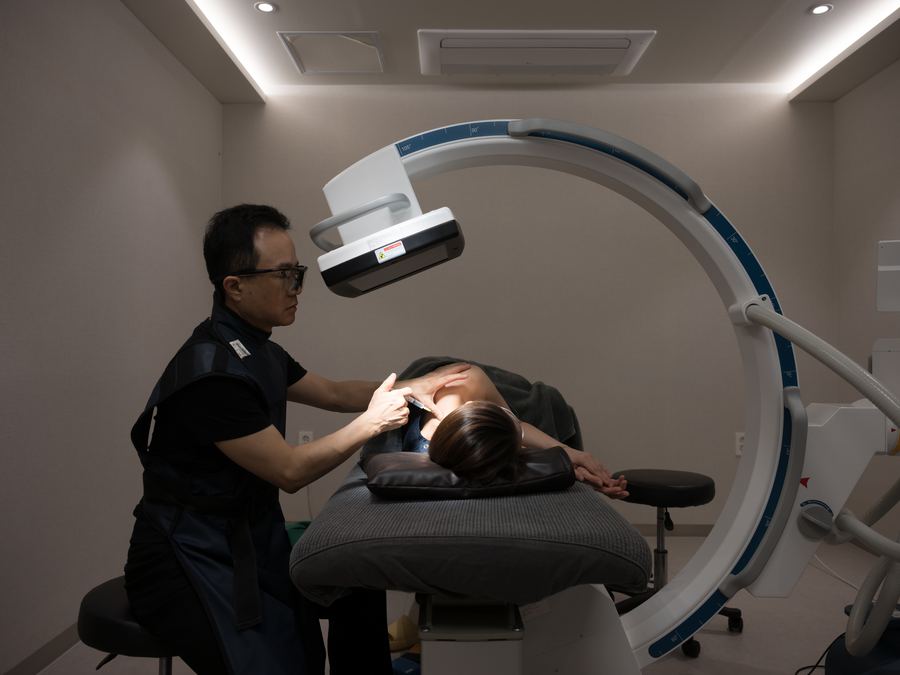
The clinic uses C-arm imaging equipment to confirm the nerve and treatment site, then reaches the source of pain with an ultra-fine MTS micro-needle to minimise tissue damage. According to the clinic, no separate physical therapy is required.
Steroids are used only after careful consideration of each case, and are avoided as a rule.
Treatment is performed personally by Director Koo Jae-won (MD, PhD), a specialist in anesthesiology and pain medicine. The same doctor handles your first consultation, examination and follow-up after treatment.
How Should Visitors Plan Their Schedule?
This is the process for patients visiting from abroad:
- Visit 1: consultation, physical examination and imaging to confirm the source of pain. If suitable, treatment can be done the same day.
- After treatment: most people can walk the same day and can rest in the day ward before returning to their accommodation.
- Afterwards: whether you need another treatment, and how soon, is decided by the doctor based on your response.
The 8th floor has patient rooms (single and double), with the choice of a day ward stay of 6 hours or more or a 24-hour admission.
The number of pain treatments varies from person to person, and follow-up treatment is sometimes needed. If your trip is only a few days, please tell us how long you will stay so the doctor can confirm whether it is enough.
What Should You Prepare Before Your Visit?
- Bring any MRI, CT or X-ray images or medical records from your home country, on a disc or as files
- Tell the clinic about any medication you take (especially blood thinners and painkillers)
Having your previous MRI images helps the doctor understand your condition. Please also note when the ankle or toe weakness started and whether it has gotten worse, as this is a key point for the doctor's judgment.
Location and Opening Hours
Dr.Google Pain Medicine is about a 5-minute walk from Beomgye Station (Line 4). The address is Downtown Building, 214 Simin-daero, Dongan-gu, Anyang-si, Gyeonggi-do, 7th floor (treatment rooms) and 8th floor (patient rooms). Parking is available in the building.
Opening hours:
- Mon & Fri 09:30–20:00
- Tue 14:30–20:00
- Wed 09:30–19:00
- Sat 09:30–14:00
- Closed Thursday and Sunday
The clinic is open until 8 pm on Mondays and Fridays, so you can sightsee in Seoul during the day first. Take Seoul Subway Line 4 to Beomgye Station, then walk about 5 minutes from the exit.
Frequently Asked Questions from International Visitors
Q: Does pain that gets worse when I cough mean it is serious?
A: Pain that worsens when sitting or coughing is a common feature of a herniated lumbar disc, but how serious it is depends on your MRI, symptoms and muscle strength, as judged by the doctor.
Q: Can I fly right after treatment?
A: Most people can walk normally on the day of treatment, but please confirm your flight timing with the doctor first.
Q: I was already told to have surgery. Can I still go?
A: Yes. The clinic says patients who have already been advised to have surgery are welcome to come and hear other options.
Q: What other conditions does this clinic treat?
A: Besides herniated lumbar discs, it treats shingles, post-herpetic neuralgia, cervical disc herniation, spinal stenosis, and pain in the shoulder, elbow, knee and hip.
Book Dr.Google Pain Medicine Through K-Clinic
With back and leg pain plus weakness, the most efficient step is to explain your symptoms and schedule clearly before you travel. Use the Request booking button or the live chat on K-Clinic for a free consultation, and we will help you communicate with the hospital.
We will check with the hospital on:
- The best appointment time for your symptoms (area of radiating pain, location of weakness)
- How to bring or send your previous MRI images
- Whether your length of stay is enough, and whether you need a day ward or admission
- Cost information (please ask through the live chat)
Once your booking is complete, we will tell you the arrival time and address.
The actual treatment depends on the results of your examination.
Frequently asked questions
Is back pain that spreads to the buttock and leg a herniated disc?
It can be. Pain that runs from the lower back to the buttock and leg, gets worse when sitting or coughing, and comes with ankle or toe weakness is a common sign of a herniated lumbar disc. A doctor's examination and imaging are needed to confirm it.
Does a herniated disc always need surgery in Korea?
No. According to Dr.Google Pain Medicine, when there is no progressive paralysis or loss of bladder or bowel control, non-surgical treatment can usually be considered first. The actual direction depends on your MRI and symptoms.
How does Dr.Google Pain Medicine decide whether I need spine surgery?
The decision is based on your MRI, your symptoms and whether there is muscle weakness. If there is no progressive paralysis, non-surgical treatment such as injections can be considered first.
How much does treatment at Dr.Google Pain Medicine in Korea cost?
No public price list is available. Please ask through the live chat or the Request booking button on K-Clinic and we will check with the clinic for you.
Clinics in this article
About 5 min walk from Beomgye Station (Line 4)