 K-Clinic
Leg Weakness & Bladder Problems: Korea Pain Clinic Guide
If your leg weakness is getting worse, or you have problems controlling your bladder or bowels, do not treat it as ordinary aches and plan a relaxed trip. At Dr.Google Pain Medicine in Anyang, Korea, whether a herniated disc can be treated first without surgery (for example with injections) depends on your MRI, symptoms and muscle strength. Without progressive paralysis or bladder/bowel control problems, non-surgical treatment can usually be considered first. Before you travel, tell us your symptoms and length of stay through the "Request booking" button or live chat on this website, and a doctor will confirm whether your plan is suitable.
Leg Weakness and Bladder Changes: Not Just Ordinary Pain
Leg weakness that keeps getting worse, or problems controlling your bladder or bowels, are not symptoms to "tough out for a few more days" while you finish a trip itinerary.
Dr.Google Pain Medicine decides whether a herniated disc can be treated first without surgery based on MRI, symptoms and whether there is any loss of muscle strength. If there is no progressive paralysis, non-surgical treatment such as injections can be considered first.
Conversely, with "progressive paralysis" or "loss of bladder or bowel control," you should not go at the slow pace of ordinary aches and pains. This article helps you tell which situations to check with a doctor first.
Which Symptoms Should You Not Ignore?
The clinic's information lists progressive paralysis and loss of bladder or bowel control as the key factors in deciding whether non-surgical treatment is possible first. In the situations below, stop and do not simply fill up your itinerary:
- Leg weakness that is spreading or getting worse (progressive paralysis)
- Problems controlling your bladder or bowels
- Weak ankles or toes, making it hard to walk or lift your foot
- Numb arms or fingers, and dropping things easily
If you have bladder or bowel control problems or paralysis that is quickly getting worse, get evaluated at a nearby hospital first rather than waiting for your departure date. These conditions should not be fitted around a travel schedule.
Pain Alone vs. Pain With Weakness
The clinic lists these nerve-related symptoms, which you can compare against your own:
- Lumbar disc herniation: pain spreading from the lower back to the buttocks and legs, worse when sitting for long periods or coughing, weak ankles and toes
- Cervical disc herniation: shoulder and neck aches, pain inside the shoulder blade, numb arms and fingers, dropping things easily
- Postherpetic neuralgia: pain that continues after the blisters heal, stabbing or burning, pain at night that keeps you awake
Pay attention to "weakness." Pain alone and pain with reduced muscle strength lead a doctor in different directions. Numb fingers can also come from carpal tunnel syndrome or an elbow nerve problem, which a doctor needs to examine to tell apart.
How Does Dr.Google Pain Medicine Treat Disc Problems?
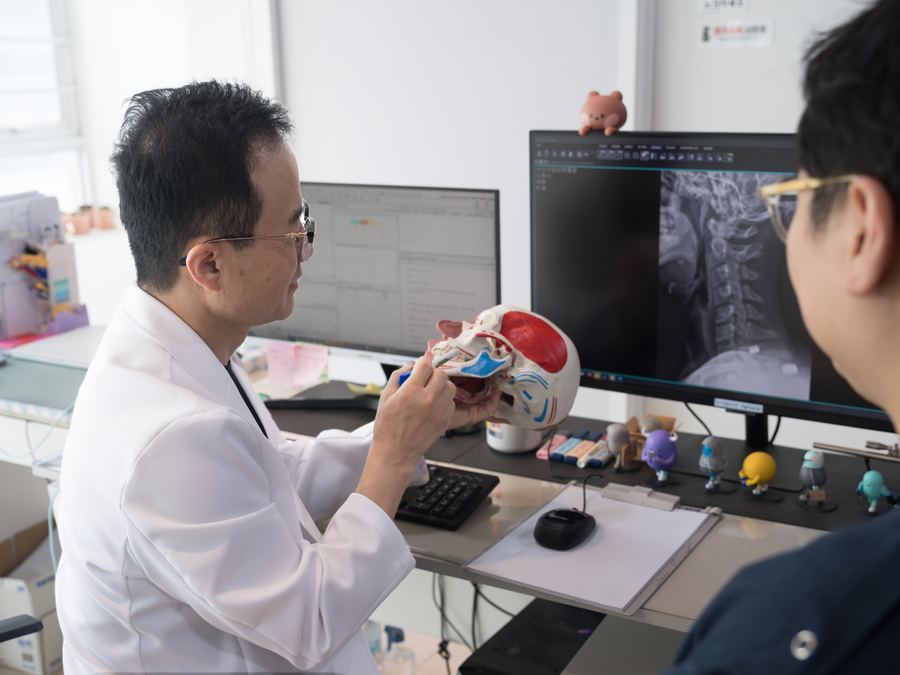
The clinic is run by Director Koo Jae-won, MD, PhD, a specialist in anesthesiology and pain medicine, who personally handles everything from the first consultation and tests to follow-up after treatment. Its motto is "Surgery isn't always necessary; first find the cause of the pain."
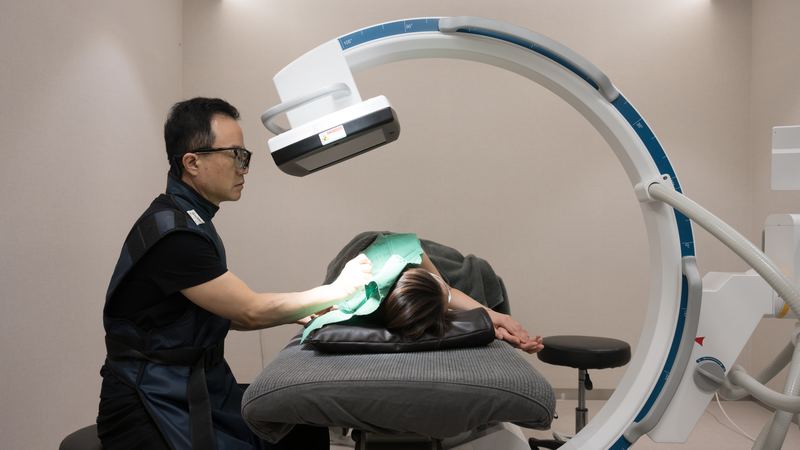
Treatment uses C-arm imaging to confirm the nerve and treatment site, and very fine MTS microneedles to reach the source of pain. Steroids are used only after careful consideration depending on the condition, and are avoided in principle.
If you have already been advised to have surgery, you can still come and hear about other options. Whether non-surgical treatment suits you depends on the doctor's judgment.
How Many Days Should You Stay in Korea?
The clinic's visit process is as follows:
- First visit: consultation, physical examination and imaging to confirm the source of pain; treatment can be done the same day if suitable.
- After treatment: most people can walk the same day, and can rest in a day ward before returning to their accommodation.
- Afterwards: whether you need another treatment and how long to wait between them is decided by the doctor based on how you respond.
The clinic notes that the number of pain treatments varies from person to person, and follow-up treatment is sometimes needed. So tell the doctor your length of stay in advance so they can confirm it is long enough.
The 8th floor has wards (single and double rooms), with a choice of a day ward for 6 hours or more, or a 24-hour hospital stay. If ongoing observation is needed, a hospital stay can also be considered, depending on the doctor's judgment.
What Should You Prepare Before Traveling?
Having your information ready lets the doctor decide faster during your online consultation:
- MRI, CT or X-ray images or medical records from your home country, on disc or as files
- Medicines you are taking (especially blood thinners and painkillers)
- When the weakness, numbness or bladder/bowel changes began, and whether they are getting worse
- How many days you plan to stay and which days you can visit
If you have shingles, please also tell us the date it started and the affected area.
Dr.Google Pain Medicine Location and Hours
Dr.Google Pain Medicine is about a 5-minute walk from Beomgye Station (Line 4). From Seoul, take Subway Line 4 to Beomgye Station and walk about 5 minutes from the exit.
The address is Downtown Building, 214 Simin-daero, Dongan-gu, Anyang-si, Gyeonggi-do: 7th floor (treatment rooms) and 8th floor (wards). Parking is available in the building.
Opening hours:
- Monday and Friday 09:30–20:00
- Tuesday 14:30–20:00
- Wednesday 09:30–19:00
- Saturday 09:30–14:00
- Closed Thursday and Sunday
The clinic only sees patients in the afternoon on Tuesday and is closed on Thursday and Sunday, so avoid those days when planning.
Frequently Asked Questions About Pain Treatment in Korea
Q: My symptoms are not severe, just occasional numb feet. Can I fit a visit into my trip?
A: Yes, start by describing your symptoms through this website. The doctor will judge from your description and imaging whether a visit can be scheduled during your trip.
Q: I was already advised to have surgery at home. Do I still need to come?
A: The clinic says people who have already been advised to have surgery can come to hear other options. Whether non-surgical treatment suits you is decided by the doctor based on your MRI and symptoms.
Q: Can it be cured in one treatment?
A: The number of pain treatments varies from person to person, and follow-up treatment is sometimes needed. Whether to treat again and how long to wait between treatments is decided by the doctor based on your response.
Q: How much does it cost?
A: Please ask through K-Clinic's "Request booking" button or live chat.
Book Dr.Google Pain Medicine Through K-Clinic
When your symptoms change, it is safest to ask first and book your trip afterwards. Through K-Clinic, use the "Request booking" button or live chat on this website for a free consultation, and leave it to us to confirm your symptoms and length of stay with the hospital.
We check with the hospital:
- Whether your leg weakness, numbness or bladder/bowel condition is suitable for scheduling a visit first
- Which MRI scans or medical records from your home country to bring
- Whether your length of stay is enough, and whether follow-up treatment is needed
- Available dates and time slots (avoiding the Thursday and Sunday closures)
Once your booking is complete, we will tell you your arrival time and the address.
Actual treatment depends on the examination results.
Frequently asked questions
Can I visit a pain clinic in Korea if I have leg weakness or bladder/bowel problems?
Do not decide on your own. Progressive paralysis and loss of bladder or bowel control are the key factors in deciding whether non-surgical treatment is possible first. Before you travel, describe your symptoms through the "Request booking" button or live chat on this website so a doctor can confirm whether your trip is suitable.
Does a herniated disc always need surgery in Korea?
No. According to Dr.Google Pain Medicine, when there is no progressive paralysis or loss of bladder or bowel control, non-surgical treatment can usually be considered first. The actual approach is decided based on your MRI and symptoms.
What should I prepare before visiting a pain clinic in Korea?
Bring MRI, CT or X-ray images or medical records from your home country (on disc or as files), a list of the medicines you take (especially blood thinners and painkillers), and when and where your symptoms started.
Can I fly right after pain treatment in Korea?
Most people can walk normally on the day of treatment, but please confirm your flight time with the doctor first. It depends on the doctor's judgment.
Clinics in this article
About 5 min walk from Beomgye Station (Line 4)